

Top 20 best perennials for (almost) every garden

Want a sustainable, low-maintenance garden? Then perennials are a must. They return year after year, offer structure and color, and there are beautiful varieties for every location – from evergreen perennials for shade to long-flowering perennials for a sunny border.
Read more below the advertisement

There are roughly three groups of plants: annuals, biennials, and perennials. Annuals grow and flower for one season and then die. Biennials produce leaves in the first year and flower in the second. But perennials re-emerge every year—and that's why they form the backbone of your garden.
There are significant differences within perennials. Most are herbaceous perennials: they lack woody stems and die back above ground in winter, while their roots remain alive underground. They sprout new leaves in spring. There are also evergreen perennials that retain their leaves. Shrubs and trees are also technically considered perennials, although they have woody stems. Note:
- Some perennials are short-lived , lasting only two to three years.
- Other species can remain standing for decades.
- Not all perennials are as good in our climate: tropical species will not survive our winters.
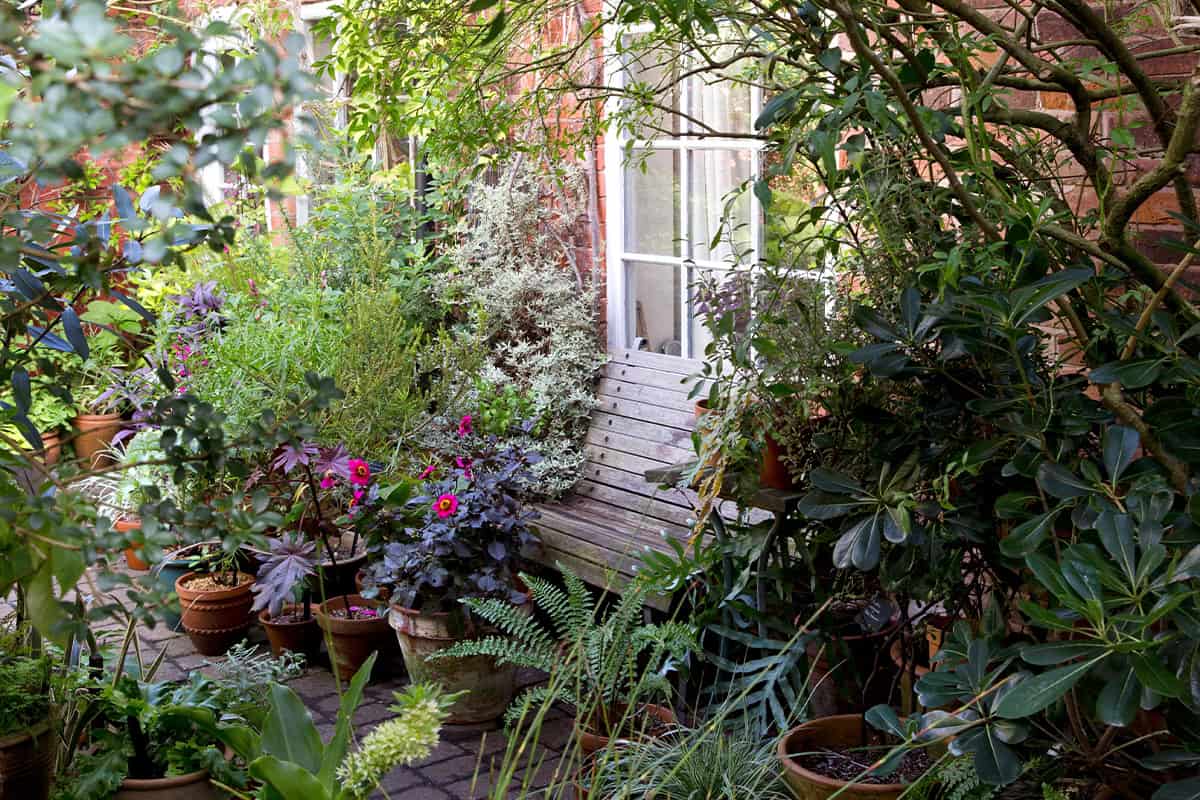
The most important thing is to choose the right plant for the right spot. Here are three things to consider:
- Soil type : Sand retains little water, while clay retains a lot.
- Sun and shade: Pay close attention to which areas receive continuous sun and which types of shade your garden has.
- Shelter: Some plants can tolerate wind , others cannot.
Once you've gathered this information, you can start choosing your plants. There are perennials available for every situation, so do some research beforehand – start on this website, for example. By combining different heights, flowering periods, and colors, you can create a strong, vibrant garden that stays interesting all season long.
To give you a head start, here is a top 20 of perennials that will do well in almost any garden.
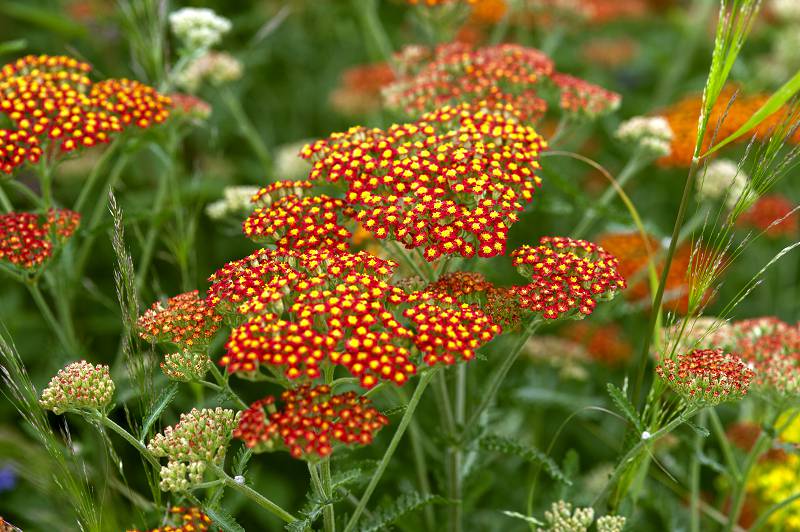
Yarrow is an incredibly hardy plant that thrives in both clay and sandy soil. Plant this perennial in a sunny border and you're guaranteed a colorful summer display. The plant initially produces fine, feathery leaves. Then, stems emerge with large, flat umbels consisting of countless tiny flowers. Most yarrow varieties are yellow, but pink, red, and orange varieties also exist.
- Height x Width: 45-75 cm x 45-60 cm
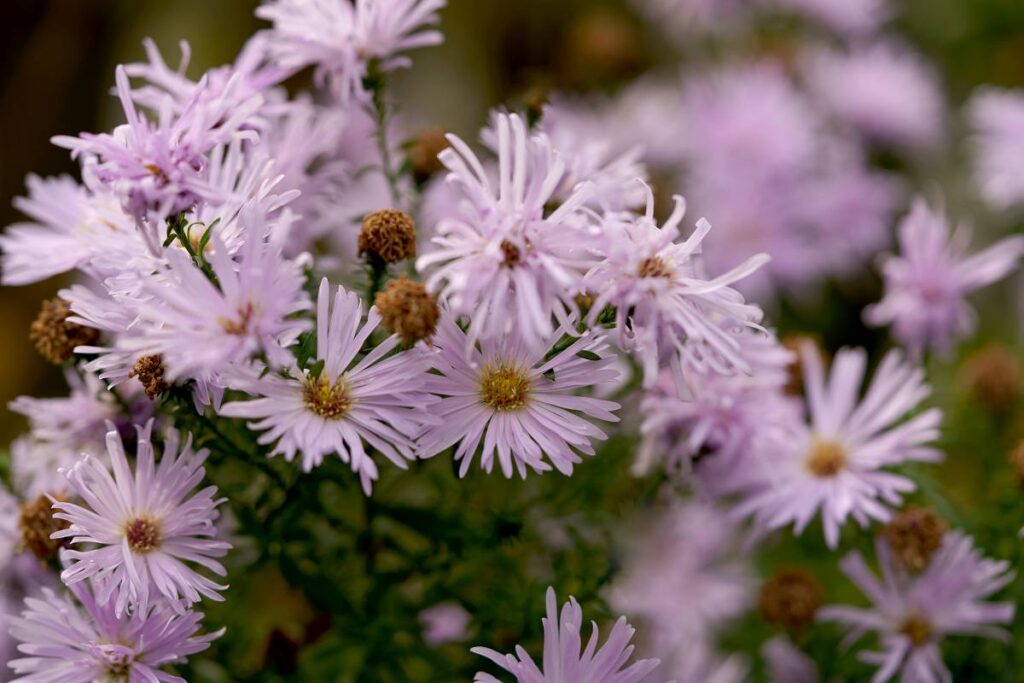
Michaelmas daisies are reliable perennials for late summer and autumn borders. They bear masses of daisy-like flowers on sturdy stems, in brilliant shades of pink, purple, and white. They are also excellent autumn bloomers for late-season pollinators . Give them a sunny spot, and they'll quickly be happy.

The Bergenia , with its large green leaves, is a hardy perennial and an excellent evergreen groundcover . It thrives in both sun and shade and thrives in any reasonably fertile soil. In late winter and early spring, stems bearing large clusters of pink, white, or purple flowers appear.
- H x W: 30-45 cm x 45-75 cm

- The best tips: from sowing to care
- Special plants according to experts
- More than 30 growers speak out

Crocosmia is a herbaceous perennial plant that grows from bulb-like tubers . It is also known as montbretia – although that name mainly refers to the common species Crocosmia x crocosmiiflora . It can spread considerably and is even considered invasive in England and Wales. But with the cultivated cultivars, you don't have to worry about that. They shine from early to late summer with yellow, orange or red flowers on slender stems with lance-shaped, fresh green leaves. They are ideal for adding height and colour to your borders. Plant them in sun or partial shade and protect them from the worst of the winter cold.
- H x W: 60-90 cm x 30-40 cm
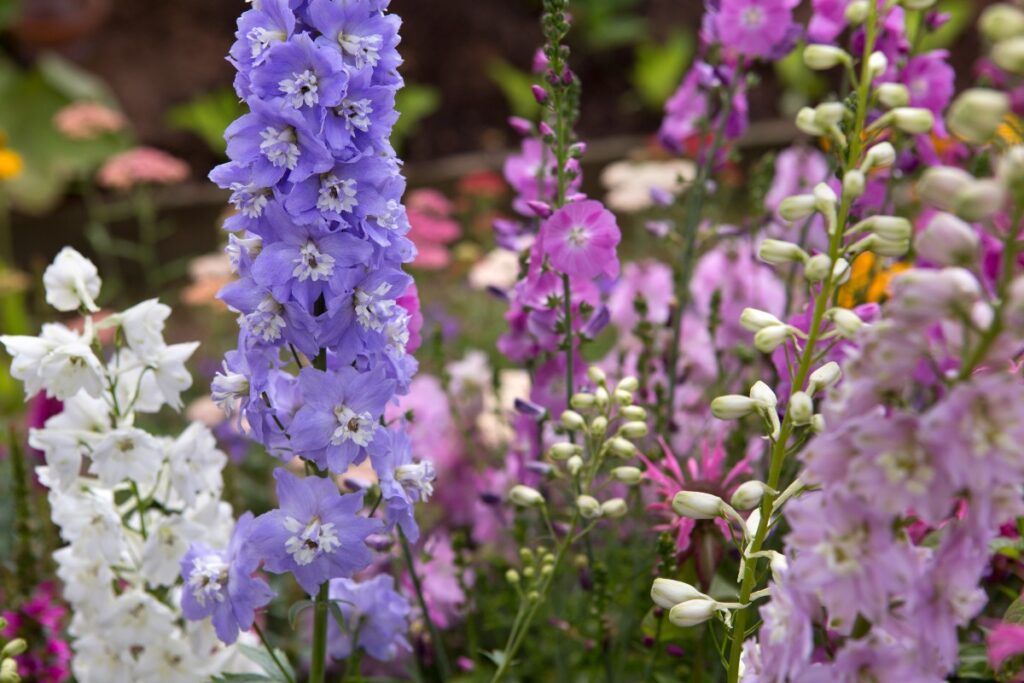
The long stems oflarkspur with their strikingly beautiful flowers are hard to miss. The flowers open gradually from bottom to top, providing weeks of color. Blue is the primary hue, but white, pink, and purplish varieties are also available. The young stems and leaves are popular with snails, so protect your young plants. Plant larkspur in sun or partial shade.
- H x W: 60-90 cm x 30-45 cm

Okay, they sting, but thistles are quite a sight. The tall stems with blue, spherical flower heads and the star-shaped "collar" are also true bee magnets in summer. They prefer a sunny spot in well-drained soil, and they're an ideal plant for gravel gardens . They also dry well.
- H x W: 45-60 cm x 30-45 cm
Tip!

Euphorbias remain beautiful for a long time thanks to their combination of attractive, architectural foliage and striking flower heads in colors like lime green, yellow, and orange-red. These are actually bracts, not true flowers. This is why they remain beautiful for months instead of weeks. Some varieties retain their leaves and shape well into winter. There are many varieties of Euphorbia available, so there's a suitable one for every situation.
- H x W: 15-120 cm x 45-120 cm

The Geranium family is very large and varied. These plants are perfect for planting at the front of a border, but they're also a good choice for raised beds or as groundcover . Most varieties bloom in summer, but they don't all bloom for the same length of time. Geranium 'Rozanne' is a very popular variety that blooms for months.
By the way, true geraniums shouldn't be confused with the frost-sensitive "geraniums" for summer pots – those are actuallypelargoniums . Geraniums grow best in the sun, but shade isn't a problem for many varieties either. They're also drought-tolerant .
- H x W: 30-90 cm x 30-90 cm


Helleborus is a group of winter- and spring-flowering perennials, including the Christmas rose ( Helleborus niger ) and the Lenten rose ( Helleborus orientalis ). The attractive foliage is usually evergreen, and the beautiful flowers range in color from white and green to pink and purple. Many hellebores thrive in shade, although some require some sun. The winter-flowering varieties are particularly beneficial for bees, which emerge early in the year.
- H x W: 30-50 cm x 30-40 cm
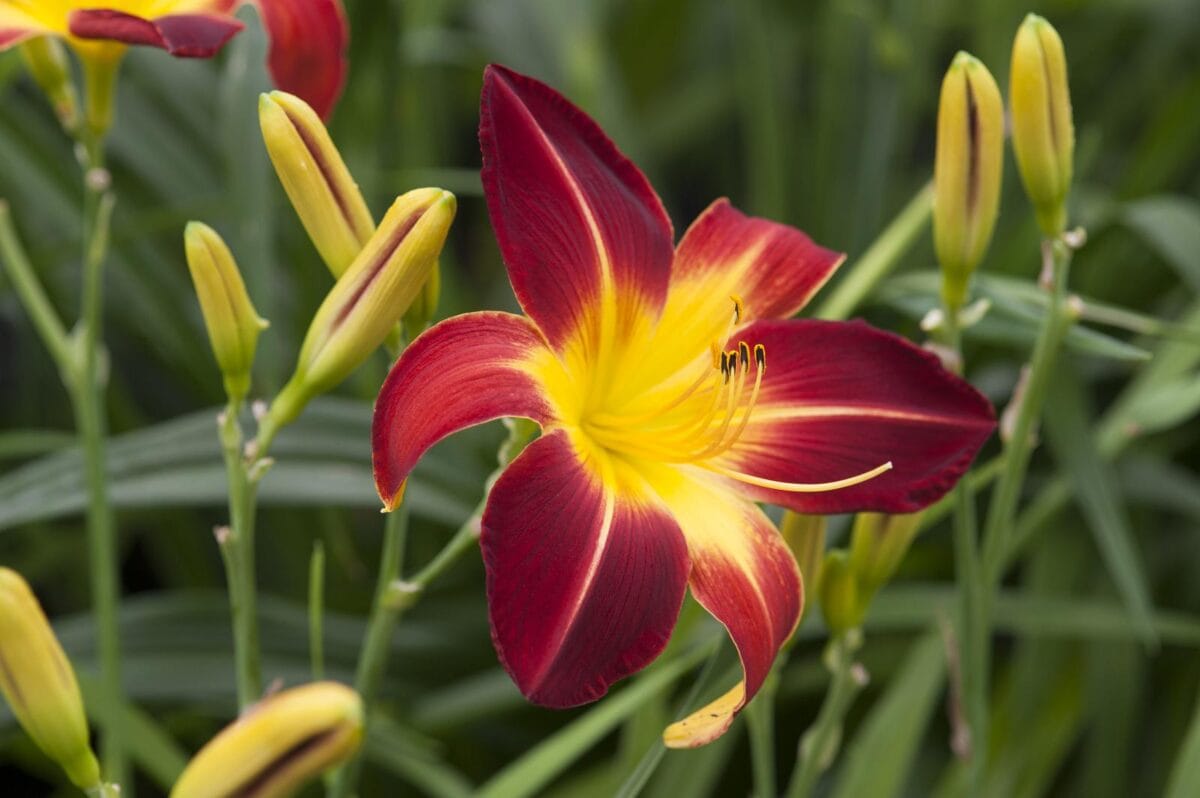
Daylilies have colorful, lily-like trumpet flowers, which grow in clusters on sturdy stems. The individual flowers of Hemerocallis remain open for only one day (hence the name), but the stems are so densely packed with buds that the plant remains beautiful for weeks in summer. The colors range from yellow and orange to red. Plant it in full sun and in fertile, well-drained soil.
- H x W: 30-60 cm x 45-60 cm

Coral bells are beloved for their beautiful foliage colors, which provide year-round ornamental value. Heuchera is available in many stunning colors, including lime green, yellow, purple, and orange. The veins contrast beautifully with these colors. Slender spikes of white flowers appear in summer, but the foliage of this perennial is its greatest attraction. The clumps remain relatively compact, and the plant prefers sun or partial shade.
- H x W: 30-45 cm x 30-45 cm






%3Aformat(jpeg)%3Abackground_color(fff)%2Fhttps%253A%252F%252Fwww.metronieuws.nl%252Fwp-content%252Fuploads%252F2025%252F11%252FANP-352505210.jpg&w=1280&q=100)

