Getting your garden ready for winter: 12 important jobs
Tidying up your garden in the fall makes it look neater in the winter, and you can get right back to work in the spring as soon as the weather warms up. But... don't be too strict about winterizing your garden! Focus on what's truly necessary. These 12 gardening tasks will get your garden through the winter in style.
Read more below the advertisement
Winter is a time of quiet in the garden. Plants have retreated, as have many garden animals. As a gardener, you want your garden to be in order during the winter, but that doesn't mean you have to make everything completely neat. In fact, it's actually better if it stays a bit messy. We've compiled a list of the jobs you should tackle now – and which are best left undone.
Follow these tips for winterizing your garden and experience the benefits for yourself, plants, and animals.
This first tip is a bit ambiguous: on the one hand, you want to keep your borders tidy. But at the same time, not tidying them up is better for nature. So find a good balance. Leave plants with decorative seed heads , as they provide seeds for birds, while the dead stems and leaves provide shelter for amphibians, insects, and small mammals.
Do remove dead leaves and stems from other herbaceous perennials and weeds . Finally, apply a layer of compost mulch to insulate the roots. Worms will work this layer into the soil over winter.
Read more
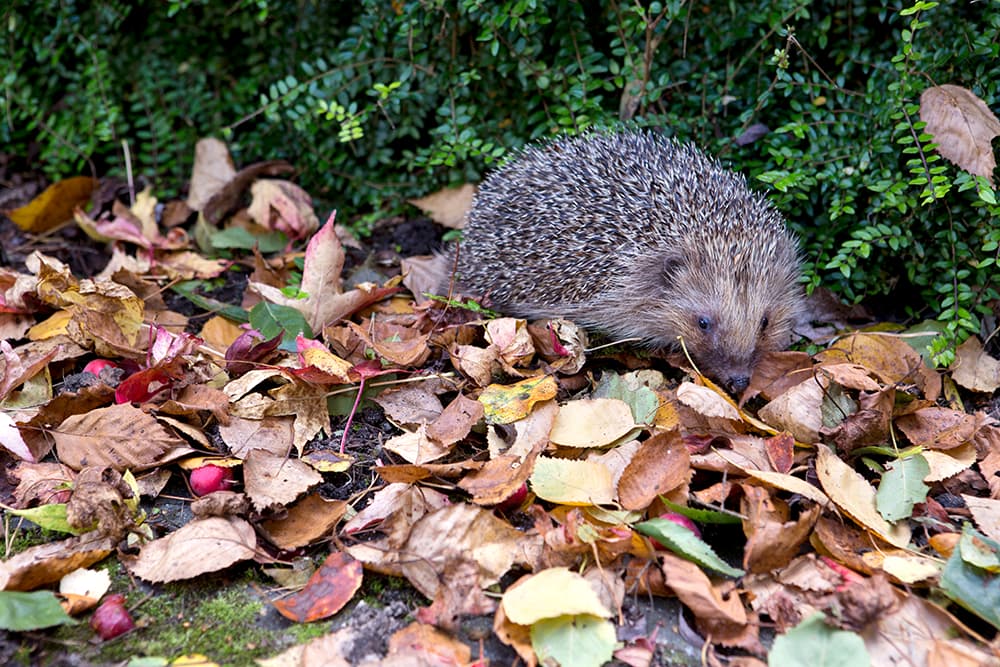
A few out-of-the-way piles of leaves—for example, under a hedge—are excellent hiding places for hibernating animals (like hedgehogs). But leaves lying on paths can be slippery, so remove them. Also, rake them off your lawn to prevent the grass from being smothered.
Don't just throw away fallen leaves, though; they make excellent leaf mold , a great soil improver. You can also sweep the leaves into your borders to create a protective and nourishing mulch for your plants.
Receive the best garden tips, inspiration and DIY projects for your garden every Friday and stay informed about offers.
Unfortunately, your registration was unsuccessful. Please try again later.
Many bedding plants are treated as annuals . You can compost them at the end of the season, but overwintering them is also an option. Cut all stems back to 10 cm. Remove the plants from their pots, remove any excess soil, and place them in trays filled with moist, peat-free potting mix .
Read more
Autumn is a great time to divide perennials . Start with plants whose central portions are no longer growing well or have even died. Divide large plants by inserting two garden forks back to back into the root ball and then pulling them apart. Replant the stronger parts of the plant with a few handfuls of compost and water well.
Read more
Stretch a net over the pond to prevent leaves from falling into the water.
Make sure you put a (bird-friendly) net over the pond in time to prevent leaves from falling into the water. Remove any fallen leaves that blow into your pond before they sink to the bottom and rot.
Also cut back the leaves of dead pond plants . Remove pond pumps and fountains that are no longer in use. Wash them thoroughly and store them in a frost-free place over winter.
Tip: Try not to disturb the bottom too much. Many animals hibernate there, such as frogs and various invertebrates. Moreover, this layer contains many important organisms that keep your water healthy.
Read more
Repair any damage to raised beds, garden sheds, and compost bins and protect them with a fresh coat of stain or paint if necessary. Replace rotting fence posts to prevent your fence from blowing over during winter storms. Also, make sure the roof of your garden shed isn't leaking and replace any broken glass in your greenhouse.
Tip!
Remove garden bird nesting boxes from their original location and empty them (wearing gloves!). Old nesting material, unhatched eggs, and other debris can harbor diseases, so wash the boxes with hot water before re-hanging them. Also clean bird feeders and birdbaths in the same way and refill them regularly.
Read more
When the leaves begin to fall in the garden in autumn, you can start pruning trees . Autumn pruning isn't too rigorous. You only prune stray, diseased , and damaged branches from ornamental trees like Japanese maples , and you can prune apple trees . You can also remove branches that are rubbing against each other.
Cut back annual climbers in your borders and beans in the vegetable garden, removing dead stems and leaves from their supports. Wash all the soil from bamboo canes and other temporary wooden supports and treat them with linseed oil, if necessary. Then store them indoors over the winter.
Borders contrast best with neat lawn edges, so trim them for the last time before winter. Mow your lawn as well, but don't cut it as short as you normally would, so the grass stays a bit longer in winter.
More about grass?
It's also important to prepare your vegetable garden for winter . It's crucial that your harvest doesn't fall prey to hungry animals, and you'll need to protect it from frost, wind, and rain.
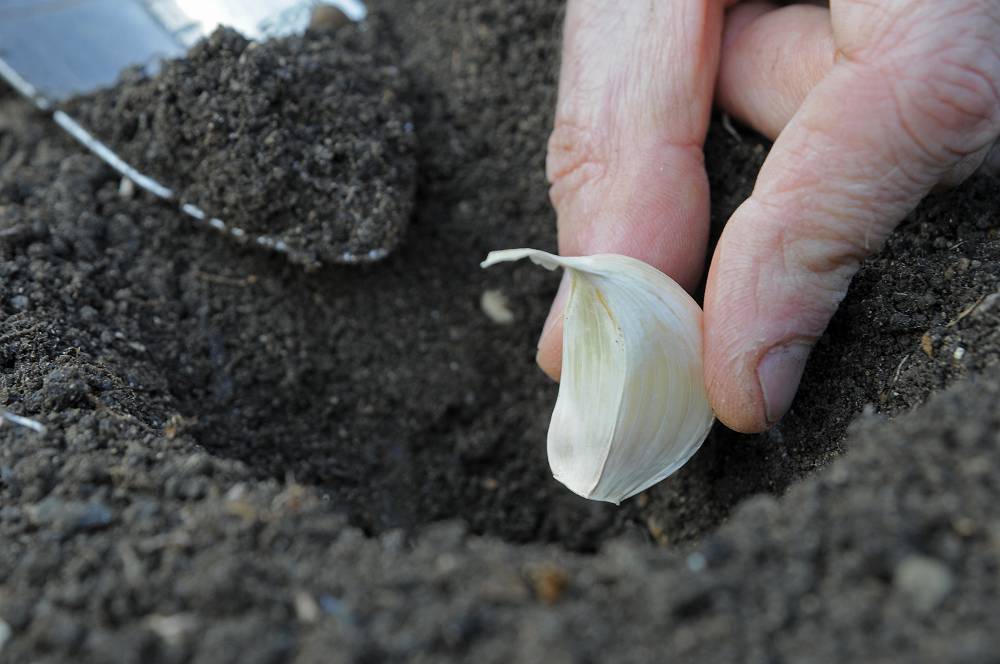
You can also sow, plant, or transplant vegetables in the vegetable garden in autumn, such as hardy broad beans and garlic and onion seed potatoes. You can still sow lamb's lettuce directly in the ground, but protect the seeds and young plants with cloches or fleece.
Read more
Green manures ensure that the soil in your vegetable garden isn't bare in winter. This prevents nutrients from being washed away during heavy rain, and the soil maintains a good structure. Sow green manures like winter rye on the bare soil. The plants quickly form a green, protective carpet.