
UNHCR: 250 million people displaced by climate emergencies in 10 years
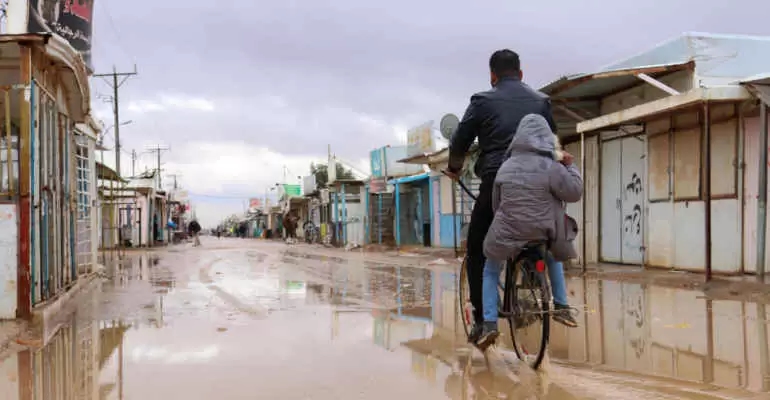

A report published by the United Nations High Commissioner for Refugees on the occasion of COP30 found that over the past ten years, extreme weather events have forced 250 million people to flee their homes due to heatwaves, droughts, and floods, threatening the safety and survival of entire communities. Seventy thousand people flee disasters every day.
Climate emergencies have caused the displacement of 250 million people worldwide over the past ten years, nearly 70,000 a day. This is according to a report by the United Nations High Commissioner for Refugees ( UNHCR ), published on the occasion of the COP30 United Nations Climate Change Conference, which opened yesterday in Belém, Brazil.
According to Filippo Grandi, United Nations High Commissioner for Refugees, extreme weather conditions are increasingly putting the safety of populations at risk, "destroying homes and livelihoods and forcing families, many of whom have already fled violence, to flee again." Floods in South Sudan and Brazil, record heat in Kenya and Pakistan, water shortages in Chad and Ethiopia: extreme conditions are pushing already fragile communities to the brink of collapse. These populations, the report notes, are experiencing more devastating floods, longer droughts, and more intense heatwaves, without the means to adapt .
Nearly all existing refugee camps will face an unprecedented rise in dangerous temperatures. In Africa, three-quarters of the land is degraded, and more than half of the camps are located in areas under severe environmental pressure. In the Sahel, the UNHCR notes, communities report that climate-related loss of livelihoods is pushing some people to join armed groups, another sign that environmental stress can fuel cycles of violence and displacement.
Furthermore, by 2050, the fifteen hottest refugee camps in the world, located in Gambia, Eritrea, Ethiopia, Senegal, and Mali, could experience nearly 200 days of extreme heat per year, putting the health and survival of their inhabitants at risk. "Many of these places risk becoming uninhabitable due to the deadly combination of extreme heat and high humidity ," warns the report, which warns that the number of countries highly exposed to climate risks will increase from three to sixty-five by 2040.

esgnews