
EU Parliament, ENVI Commission gives green light to climate targets, -90% by 2040 with flexibility
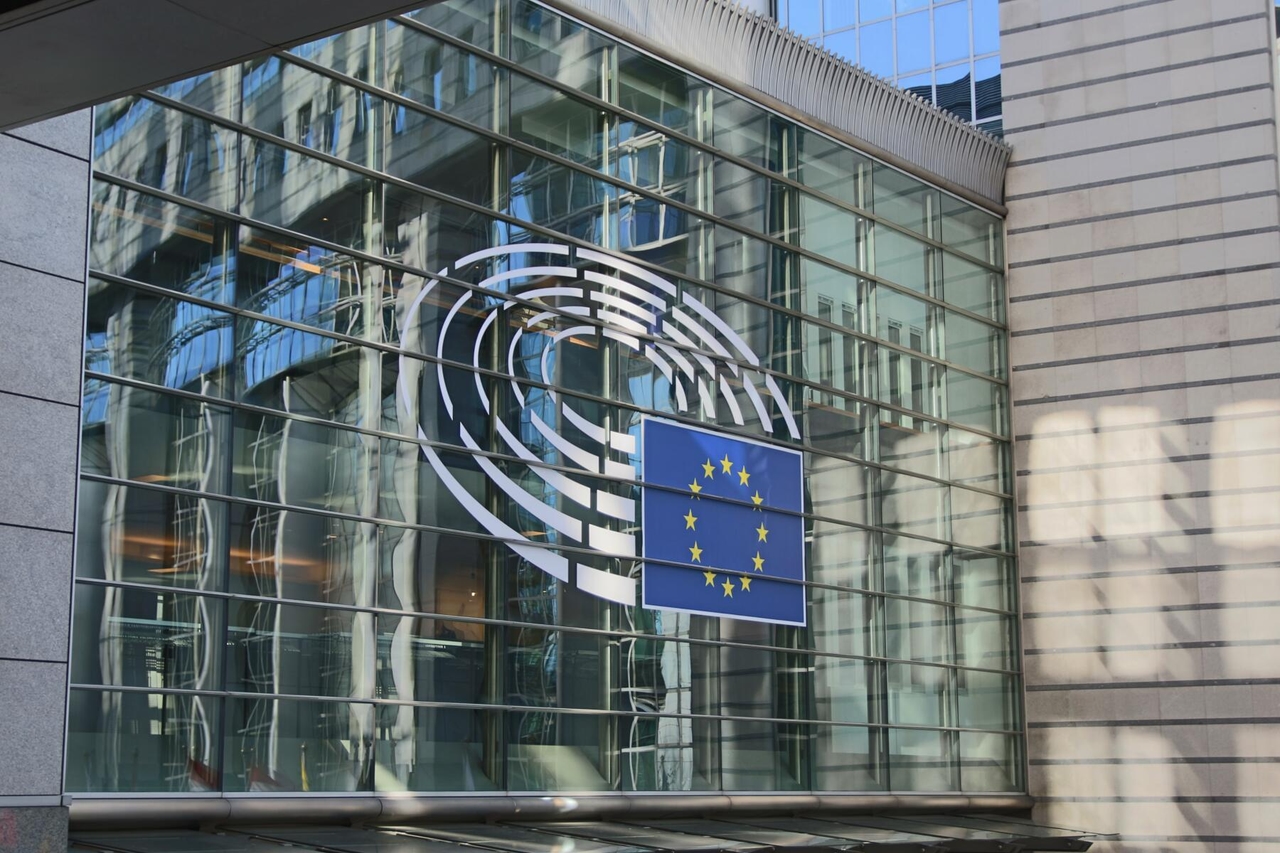

The European Parliament's Committee on the Environment, Climate and Food Safety (ENVI) has adopted its position on the proposed amendment to the European Climate Law, establishing a binding target of a 90% net reduction in greenhouse gas (GHG) emissions by 2040 compared to 1990 levels, but with flexibility.
The European Parliament's Environment Committee (ENVI) approved the political mandate for the 2040 climate target with 55 votes in favor and 32 against. The text, the result of a political compromise between the EPP, S&D, Renew, and the Greens, will be voted on by the European Parliament on Thursday 13th in the mini-plenary session in Brussels. The position adopted confirms the objective of cutting greenhouse gas emissions by 90% by 2040 (compared to 1990 levels) but includes a series of flexibilities , including the use of up to 5% of 'high-quality' international carbon credits towards reaching the target starting from 2036, with a pilot phase from 2031 to 2035. Shortly before adopting the compromise, MEPs had rejected the report presented by the rapporteur, Czech MEP Ondrej Knotek of the Patriots for Europe party, by 55 votes to 33, who proposed rejecting the EU executive's entire proposal.
The European Climate Law makes the objective of climate neutrality by 2050 legally binding for all EU member states. Setting an ambitious EU climate target for 2040 (in addition to the existing target of reducing net greenhouse gas emissions by at least 55% by 2030 compared to 1990 levels) is also important for the EU to meet its international climate commitments, which are on the agenda of the thirtieth UN climate conference, COP30, underway in Belém, Brazil. A Parliament delegation will attend from 17 to 21 November.
Following the green light from the ENVI Committee, Parliament's plenary session is expected to vote on the position on November 13. Negotiations (trilogues) with Member States to finalize the law can then begin.
MEPs emphasized that the green transition and improving the EU's competitiveness must go hand in hand. To ensure more cost-effective achievement of these objectives, several flexibilities have been introduced:
- International Carbon Credits: Starting in 2036, up to 5 percentage points of the net emission reduction could come from high-quality international carbon credits from partner countries (compared to the 3% initially proposed by the Commission). MEPs, however, call for robust safeguards for this measure, which will be piloted from 2031 to 2035.
- Permanent carbon removals: Permanent domestic carbon removals can be used to offset emissions that are difficult to abate in the EU Emissions Trading System (EU ETS).
- Sectoral flexibility: The Commission approved greater flexibility across sectors and instruments to achieve the objectives in the most cost-effective way possible.
The Committee supported the Member States' proposal to postpone the start of the ETS2 (which covers CO2 emissions from the combustion of fuels in buildings and road transport) from 2027 to 2028 .
To ensure the target remains aligned with science and economic dynamics, MEPs call on the Commission to evaluate progress every two years. This biennial review will take into account:
- The latest scientific data and technological developments.
- The EU's international competitiveness.
- The state of net removals at EU level.
- Energy price trends and their impact on businesses and households.
Following this biennial assessment, the Commission may propose an amendment to the European Climate Law, which could also entail a change to the 2040 target or the adoption of additional measures to safeguard the EU's competitiveness, prosperity, and social cohesion.

esgnews