

Legendary Florence Diamond Found After 100 Years. Empress's Descendants Finally Admit the Truth
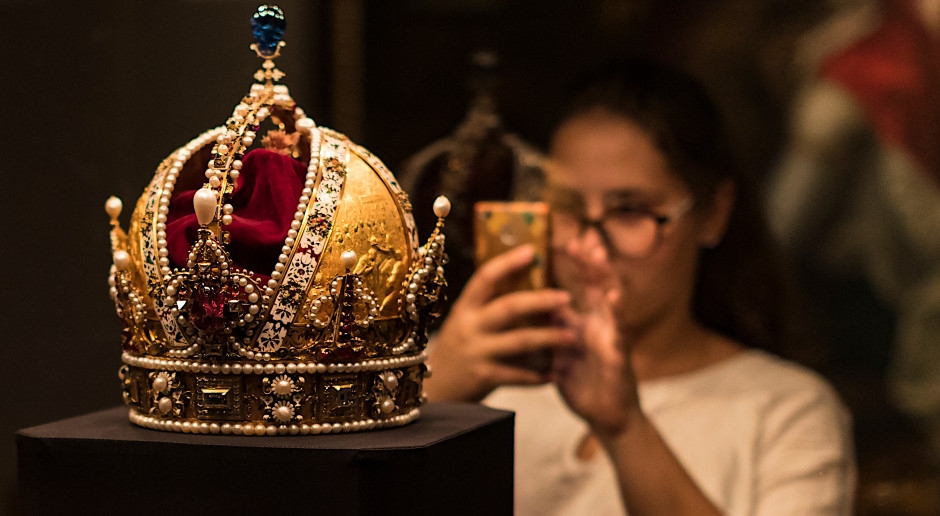
For over a century, it was considered lost, shrouded in legend and coveted by collectors worldwide. Today, we know that the famous Florentine diamond did not vanish without a trace, but instead languished in a Canadian bank vault for decades. The Habsburgs finally broke their silence, revealing the story of a gem that survived the fall of the empire and the storms of the 20th century.
The Florentine Diamond , one of Europe's most precious jewels, vanished from history in 1918 when, with the fall of Austria-Hungary, Emperor Charles I decided to hide his family treasures. Among them was a remarkable 137-carat stone with a distinctive pear shape . Its history dates back to the Medici, whose court in Florence it graced before passing to the Habsburgs.
After the end of World War I, the diamond's fate was shrouded in mystery. For decades, rumors persisted that it had been sold, stolen, and even polished and marketed under a new name. All these theories, as it turned out, were merely part of a well- perpetuated myth.
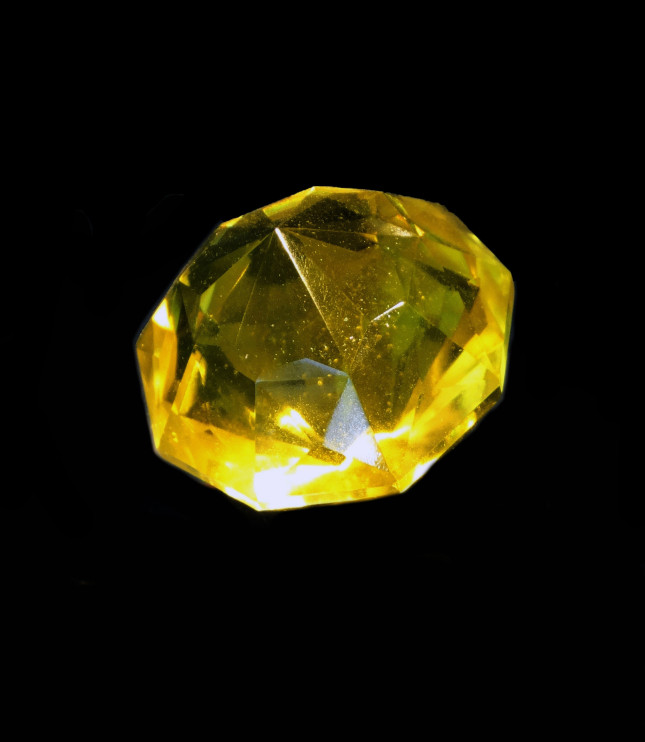 Florentine Diamond - replica Photo. Universal History Archive/Universal Images Group/Getty Images
For the first time, the Habsburg family has decided to tell the true story. As they revealed in an interview with The New York Times, the diamond was never lost . During World War II, Empress Zita , wife of Charles I, took the gem along with other valuables to Canada , where the family had fled the Nazis. There, in a bank vault, the stone remained safe for decades.
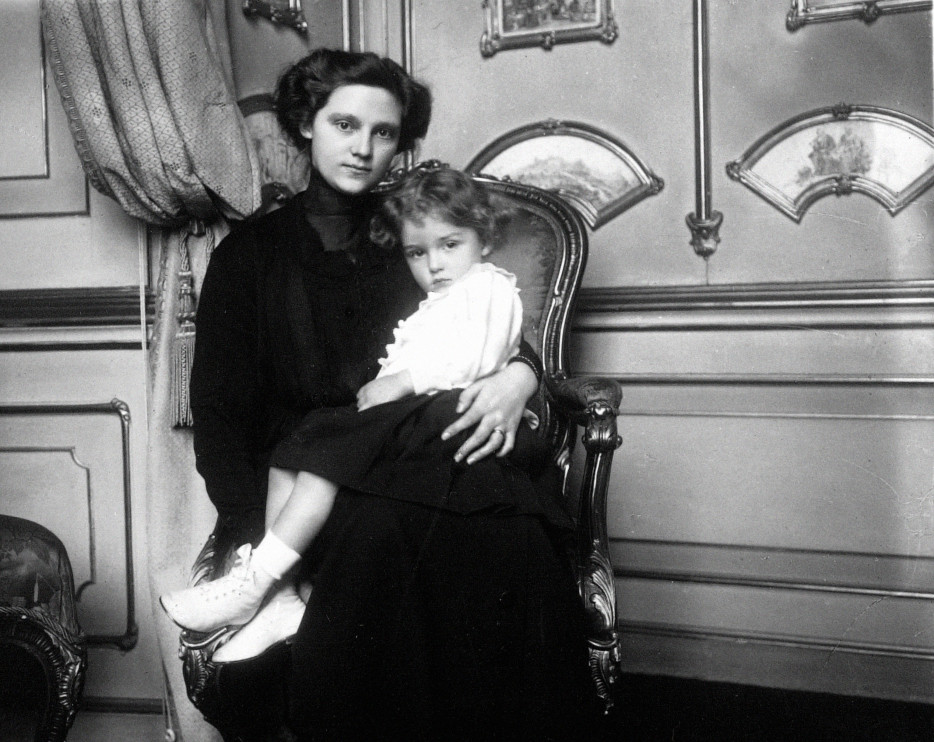 Empress Zita - 1911 Photo: Photo12/Universal Images Group / Getty Images
According to the Empress's will, information about the diamond's location was to remain secret for a hundred years after the death of Charles I , who died in 1922. Knowledge of the gem was passed only to the imperial couple's sons, Robert and Rudolf. Only a century later did their descendants open the old suitcase and discover the treasure the world had considered lost.
Karl von Habsburg-Lothringen , grandson of the last emperor, emphasizes today that "the true safety of the jewel lay in silence."
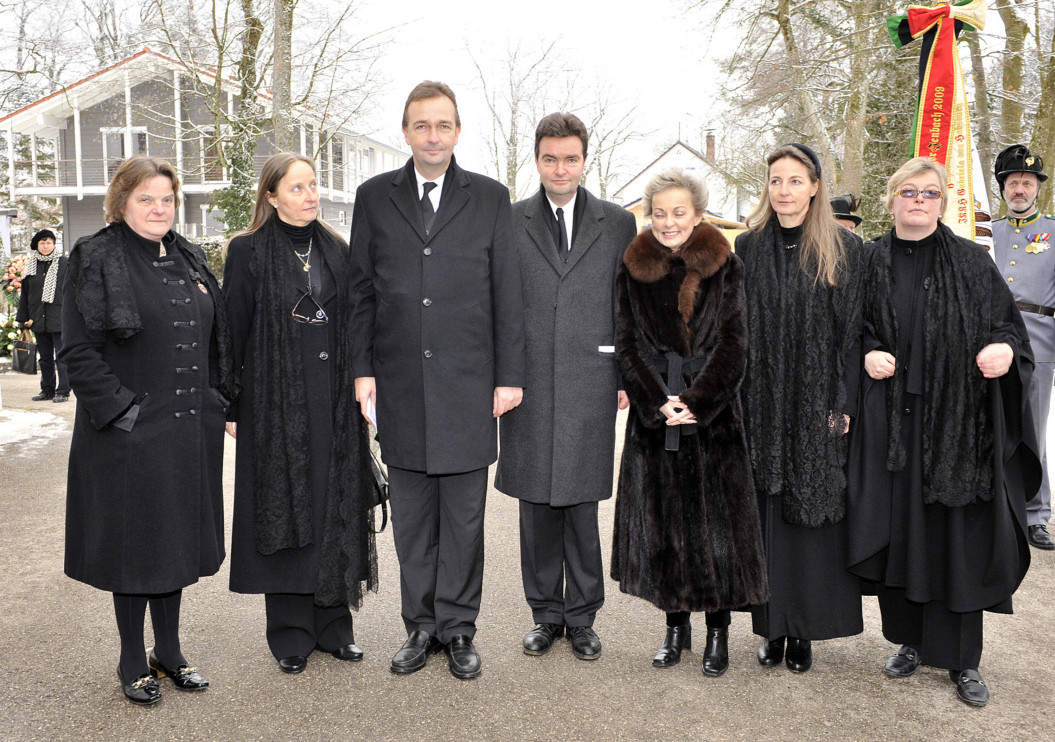 Contemporary members of the Habsburg family Photo: A2748/_Ursula Düren / PAP
The diamond's authenticity was confirmed by Christoph Köchert, a representative of a Viennese jewelry company that had served the imperial court for centuries. Experts believe the Florentine diamond is not only a masterpiece of nature but also a symbol of the power of a dynasty that shaped the fate of Europe for centuries.
The stone came to the Habsburgs after the end of the Medici dynasty , and in 1745 it adorned the crown of François Stephen during his coronation as Emperor of the Holy Roman Empire. Over the years, it became an icon of power and wealth, and after the fall of the monarchy, also a silent witness to the end of an era.
It is not known whether the Habsburgs will decide to present it publicly.


