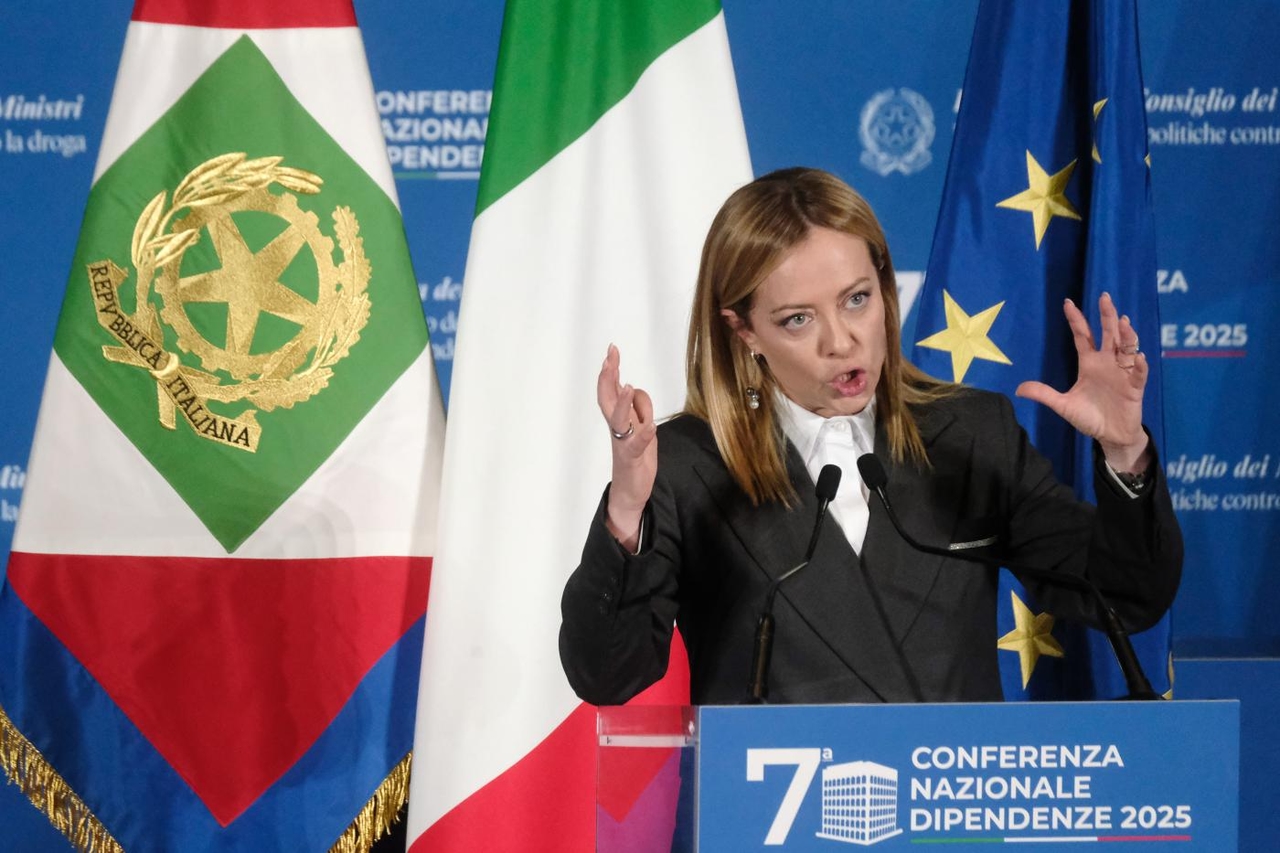
Stop control and repression, here's the drug plan
The counter-conference
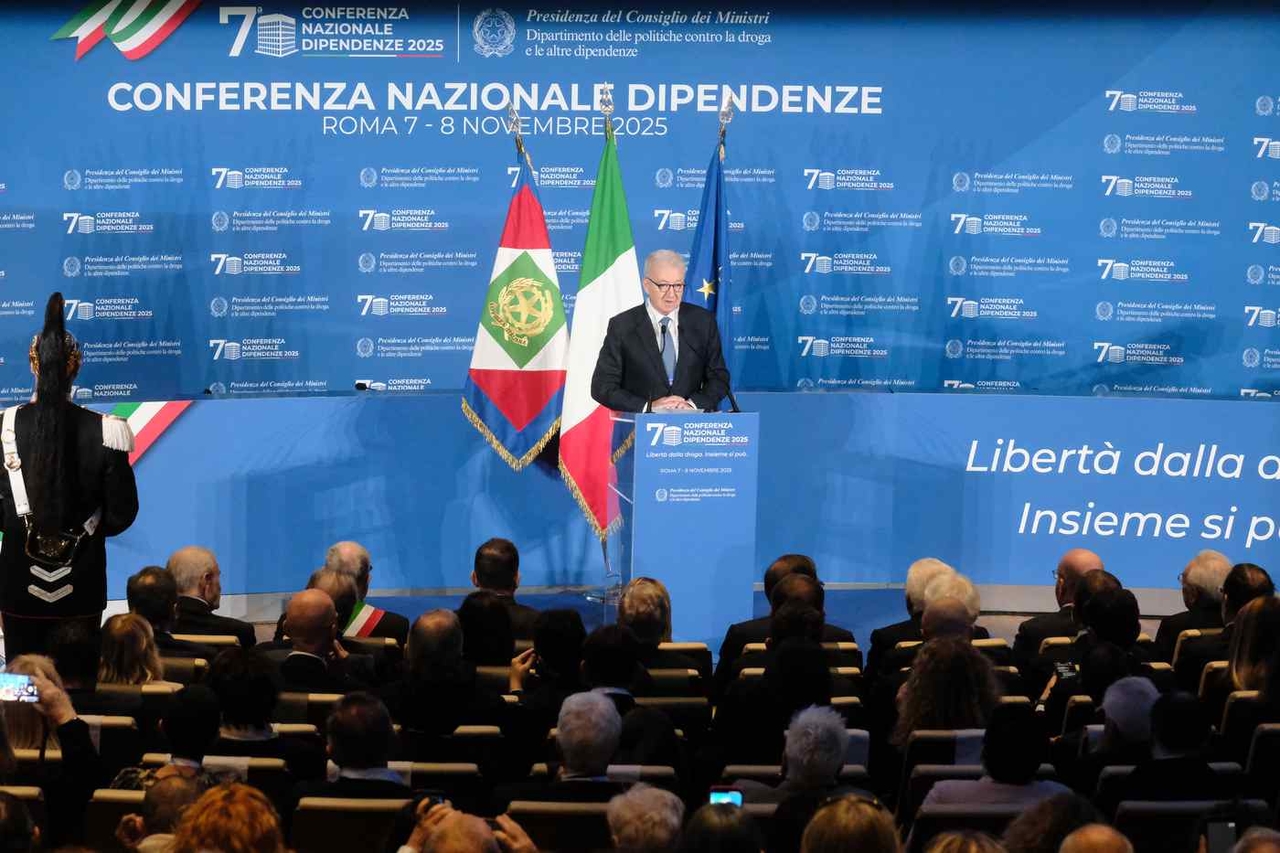
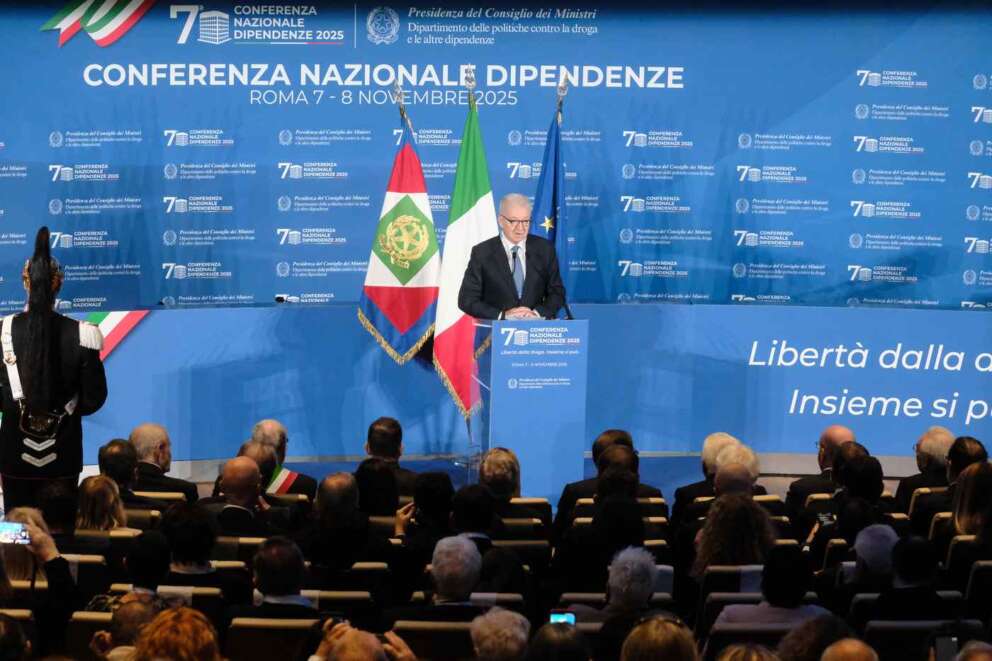
The government conference thus closed within a predefined horizon: more sanctions, more control, more repression, without any evaluation of the evidence and social reality.
The Counter-Conference on Drugs concluded last Saturday in Rome, in the Sala della Protomoteca in the Campidoglio, after three intense days of debate, assemblies, workshops, testimonials, and discussions among associations, professionals, drug users, local administrators, researchers, and social movements. The broad and cross-cutting participation brought together experiences and expertise that have been calling for a radical reform of Italian drug legislation for years.
The Counter-Conference—convened by a vast network of civil society organizations—arose as a political response to a closed government conference, completely disconnected from international policy, and unheard of. The government's stance remains anchored to the repressive paradigms introduced thirty years ago by Law 309/90. The document approved at the end of the conference affirms the need for an honest assessment of the damage caused by prohibition: mass incarceration, stigmatization, social discrimination, impoverishment of local communities, and the growing marginalization of the most vulnerable consumers. The text outlines a comprehensive reform plan, establishing intermediate objectives such as the decriminalization of drug use and proportionality of penalties for dealing, the end of administrative sanctions and discriminatory measures such as DASPOs and red zones, and the repeal of the repressive measures of the Meloni government ( the Rave Decree, the Caivano Decree, new Highway Code regulations, and the Security Decree ). This is complemented by the effective extension of Essential Levels of Care for harm reduction, including drug consumption rooms and drug checking. The goal is a new governance structure based on public health rather than criminal control, hinged on the construction of legal regulation models, starting with cannabis.
Then there is a place where drug policies become concrete, interact with people, and produce immediate effects on daily life. This place is the city. This is why defining local policies for the social management of urban contexts is essential. The Elide Network of Cities for Drug Policy Innovation recalled that the proposals developed at the National Assembly in Milan in January 2025, and submitted to the Government as a contribution to the Conference on Addiction, were completely ignored. There was no convocation, no discussion, no recognition of the role of cities. The Government Conference thus ended with a predefined agenda: more sanctions, more control, more repression, without any evaluation of the evidence and the social reality.
This is where cities have chosen to start again, participating in the Counter-Conference and sharing the proposals that emerged, " with particular attention to those that call into question the strategic role of local governments in managing the phenomenon, with an integrated approach that puts human rights, public health, and harm reduction at the center." Security doesn't grow through control: it's built by nurturing relationships and community. And cities know this well.


l'Unità