
Infobulimia, the hunger for news that confuses the mind
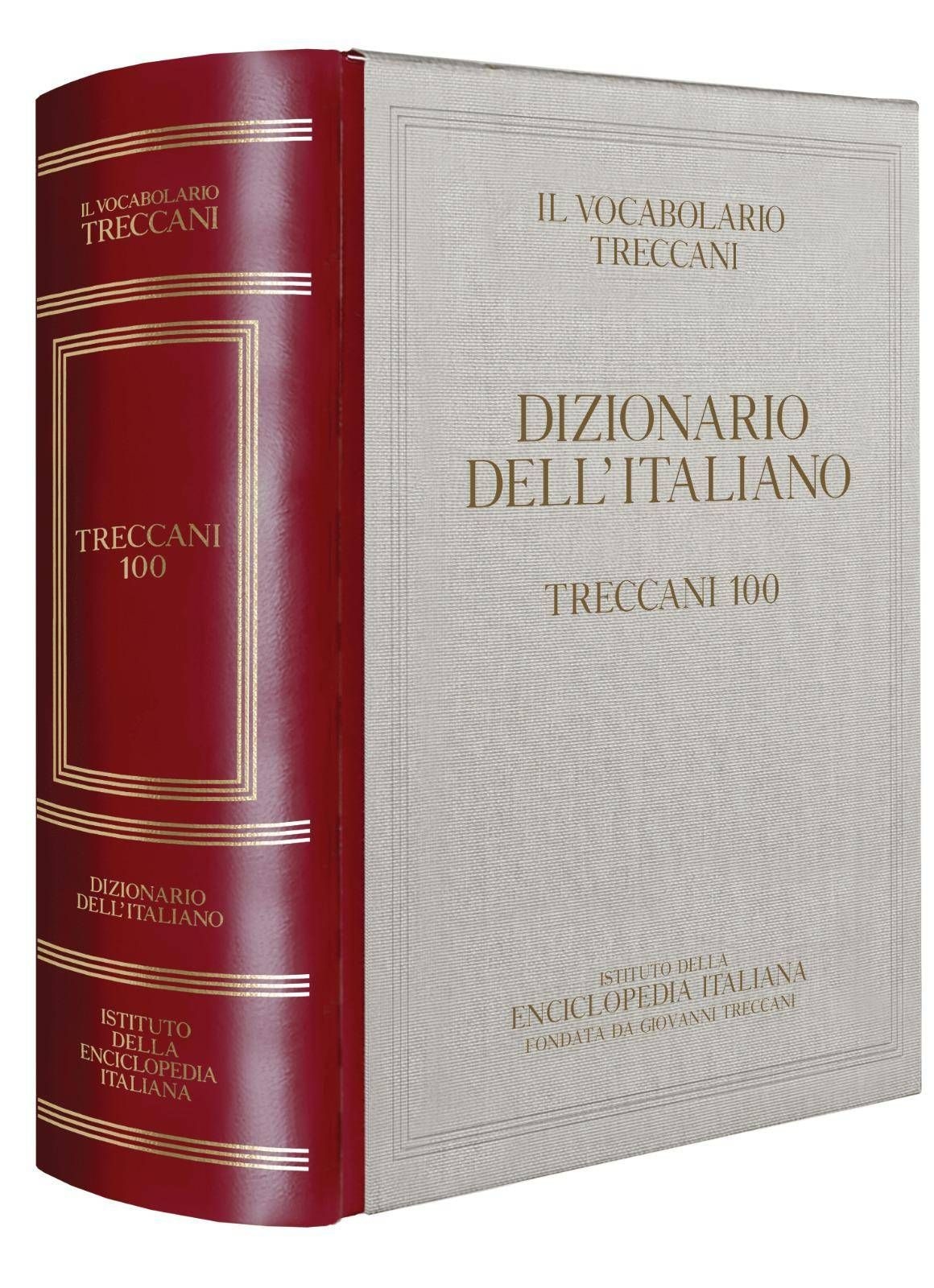
The new neologism adopted by Treccani describes the cognitive overload produced by the excess of information in the digital age
The Treccani Institute of the Italian Encyclopedia has registered "infobulimia" among the neologisms of the Italian language, defined as "the circulation of an overabundant quantity of information that produces cognitive overload in those who seek and access it, with effects of confusion and frustration" and now widespread in common usage.
The term, available on the Treccani.it portal, describes an increasingly relevant phenomenon in today's communications ecosystem, characterized by continuous and pervasive information flows that, rather than facilitating comprehension, fuel an insatiable hunger for information that often translates into difficulty discerning, disorientation, and mental overload.
"Infobulimia" recalls the English expression "information overload", coined in 1964 by political scientist Bertram Myron Gross to indicate "a situation in which you receive too much information at one time and cannot think about it in a clear way" (Cambridge English Dictionary online), and with the Italian equivalent "sovraccarico cognitivo".
Evidence of its use over the last twenty years shows the term has been applied in various contexts: from that related to psychopathologies associated with internet addiction, where it is used to describe a compulsive search for information; to the media sphere, to indicate – as highlighted by Leonardo Mala on Repubblica.it (3 April 2009) – "the mass of news that the media system continuously ingests and immediately rejects without elaboration". More recently, the term has also been used to refer to online search practices, which often result in "a waste of time, energy and frustration", as observed by Riccardo Guelfi and Fabrizio Saviano ("How not to be spied on on the Internet", goWare, 2024).
The registration of this neologism and its growing use reflect the need to critically select, interpret, and evaluate information in an environment dominated by abundance and immediacy, explains Treccani. This is a need that Pope Francis had already emphasized earlier this year, on the occasion of the Jubilee of Communication, when, with the preface "I just wanted to say a word," he emphasized the urgency of countering information bulimia through simplicity, credibility, and authenticity, principles that outline the responsibility of those who communicate. (by Paolo Martini)

Adnkronos International (AKI)