I wore the Fitbit Air and Whoop band to see which is best
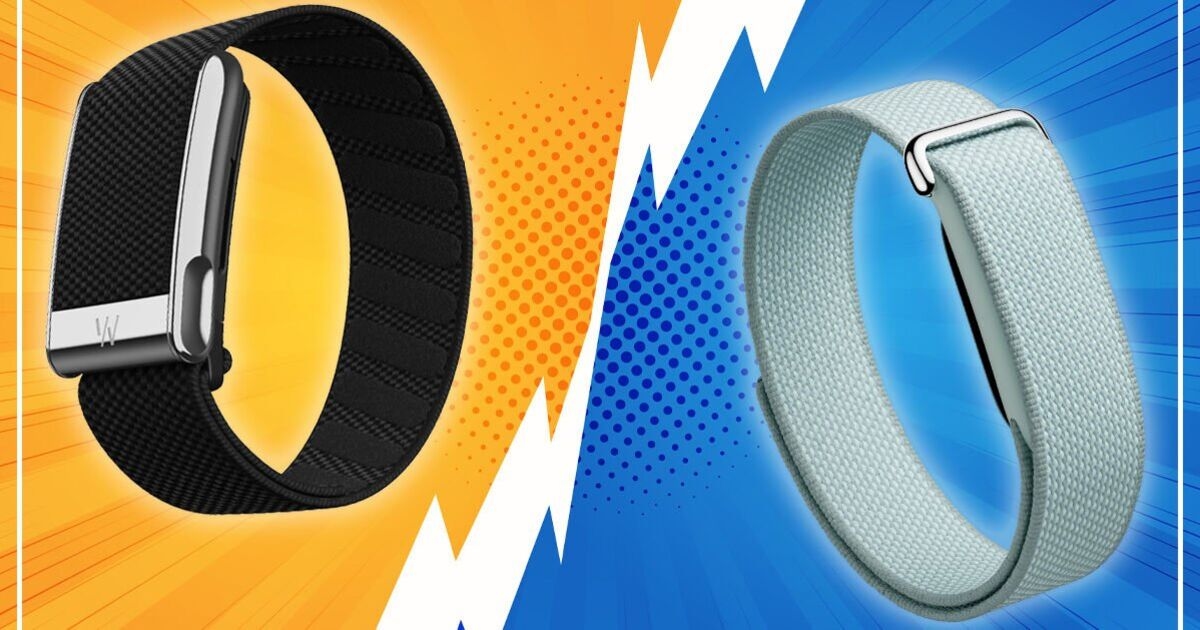

Google made a splash recently by overhauling the Fitbit app and renaming it Google Health, and at the same time released a brand new fitness track under the Fitbit brand. The Fitbit Air is a screenless activity band similar in design to the early Fitbits of the 2010s, and at £84.99, the cheapest Fitbit in the range.
Given its design, it has been compared to Whoop, a range of fitness straps also aimed at being worn 24/7 to collect health and fitness data. The firm has a good reputation amongst fitness fans thanks to its concentration on strain and recovery metrics rather than steps and distance.
But the big downside to Whoop is the price. The latest Whoop 5.0 and Whoop MG bands come free when you sign up upfront to a yearlong subscription, but it ain’t cheap: there are three tiers that start from £169 per year and go right up to £349 per year.
That’s a lot to pay, and the Whoop bands don’t function at all unless you keep paying.
This is partly why the Fitbit Air has got a lot of attention, as it looks like a Whoop but does not require a monthly or annual payment to function.
I’ve been wearing the Fitbit Air and Whoop MG together for a month to find out if the Whoop is worth the wedge, or if the thrifty Fitbit will suffice for most.
In my initial review of the Fitbit Air when it launched in May, I said the lack of screen, contactless payments and GPS were downsides considering the Fitbit Charge 6 has all these features and is often on sale for about £100.

But gym goers after a band that gets out the way and silently monitors their vitals will be interested in the seven-day battery life and the fact it works with iPhone or Android. The Air tracker nestles in a strap thinner than the Whoop, making the Fitbit a very comfortable, lightweight band to wear all day and night.
It collects steps, distance, calories, heart rate and sleep data and displays it clearly in the Google Health app. If buyers don’t opt in for Google Health Premium, things stay relatively simple, but pay up £7.99 per month and they will get access to Google’s new AI Coach. THe idea is to tell this text-based coach what's going on in your life and your fitness goals, and the chatbot will let you know how it’s going, as well as provide recommendations.
I found this AI a little underbaked and repetitive - it constantly retrod points about foot pain as that was the only information I’d given it. The Fitbit Air is sold as a passive activity tracker, but the main way to get the most out of it actually requires the user to input a lot of data themselves, including a new mode that lets them take photos of their meals and upload them to the app for the AI to take in and log.
Where the Google Health dashboard gives me steps, readiness score and sleep score, Whoop presents me first with sleep, recovery, and strain scores
On the pricier side of the divide, we have Whoop. I tested the full-fat £349 per year Life subscription, which comes with the most advanced Whoop MG, which stands for “medical grade”.
Indents on the clasp allow wearers to take an ECG to study heart health, while the subscription unlocks exclusive features, including irregular heart rhythm notifications, blood pressure insights, and an AI coach that I found more proactive and useful than Google’s. As you can see in the comparison screenshots below, the Google Health app surfaces AI chatter on the main screen (with a subscription), whereas Whoop hides it away until you want to see it. I prefer Whoop's implementation.
Where the Google Health dashboard gives me steps, readiness score and sleep score, Whoop presents me first with sleep, recovery, and strain scores, which I found paint a clearer picture of where I am at, and whether I need to go to bed earlier or go on a run. The app even suggests what time I should go to bed to catch up on my sleep debt, and tells me how many of the five key heart metrics are in range.
These metrics can be indicators of stress, the effects of alcohol, encroaching illness, and other factors. I found this granular data much more helpful than the Fitbit telling me how far I have walked today and how many hours I was up and active.
Both trackers lack built-in GPS, but will detect runs and other activity to varying degrees of success. You'll only get a run route tracked if you manually start a workout from each app, which then connects to your phone's GPS to plot your movements.
But is the Whoop experience worth the spend? It’s hard to know which tracker to trust, for a start. One night, the Fitbit said I slept for five hours and 33 minutes (I have a newborn) and awarded me a score of 65 out of 100. Whoop said I’d got %:51 and awarded a 73. These scores are hard to take too seriously, and the apps often said I should get up and go on a run when in fact I was incredibly tired.

Steps were also wildly different, Fitbit recording 10,534 to Whoop’s 12,160 in a day. But Whoops wins when it comes to battery life, with it lasting a full 14 days before I needed to charge, whereas the Fitbit scraped by with seven days.
I do not like that Whoop does not have a free tier option. If you pay for a year of service but then decide to cancel, you are left with a dumb tracker that won’t work, and you can’t access your data. That is egregious when you might have spent more than £1,000 on several years of Whoop.
This is an infuriating business model that is clearly geared towards those with a lot of disposable income. The cheapest current Whoop, the Whoop 5.0, costs £169 per year. That’s compared to the annual charge of £79.99 for Google Health Premium.
The Fitbit Air offers less specialised data, but it can be used without a subscription. The lack of an AI Coach in the free mode is also arguably a good thing, as I ultimately found it annoying - the juxtaposition of a basic fitness tracker and metrics with a chatbot that takes up most of the screen in the app.
For most people, buying a Fitbit Air for £84.99 will suffice for keeping on top of fitness data. It can connect to your phone to record run routes, and is very comfortable. It’s casual and inexpensive, but might not be enough for dedicated athletes.
I prefer the app and data Whoop provides, but it’s still very difficult to recommend the newer Whoop MG at the sky-high price. I would love to keep wearing the Whoop, but I would not pay £349 per year for it.
That’s a shame, given its excellent utility. When I previously reviewed the older Whoop 4.0, it knew I was getting sick before I knew it myself, the only wearable I’ve ever tested that has managed that. If the firm offered a cheaper subscription, I would sooner recommend its excellent but ultimately overpriced products.

Daily Express