Australian Menswear Spent Years As An Afterthought Now It Feels World Class
For most of the last decade, Australian menswear was the bit you skipped. Our womenswear went global, with the world buying into our designers and treating them like a serious export. The blokes, meanwhile, got tees and business shirts and a vague cultural shrug.
You can see it in what won. Brands built on the Australian male’s lowest common denominator did the numbers, while anything with ambition struggled to get noticed. Industrie and The Academy Brand cleaned up because that was the ceiling we set ourselves.
I include myself in this. My first suit was a Zegna, which makes no sense for a teenager and which my mum has never fully explained, and after that it was Calibre, which is where most of us actually started, whether we admit it or not.
Calibre was the gateway drug. It was the suit your mother bought you before you knew what a suit was, the safe pick for a bloke who knew nothing about clothes and wanted to keep it that way. There is still a trace of that in the brand, and I do not think it ever fully shakes it.
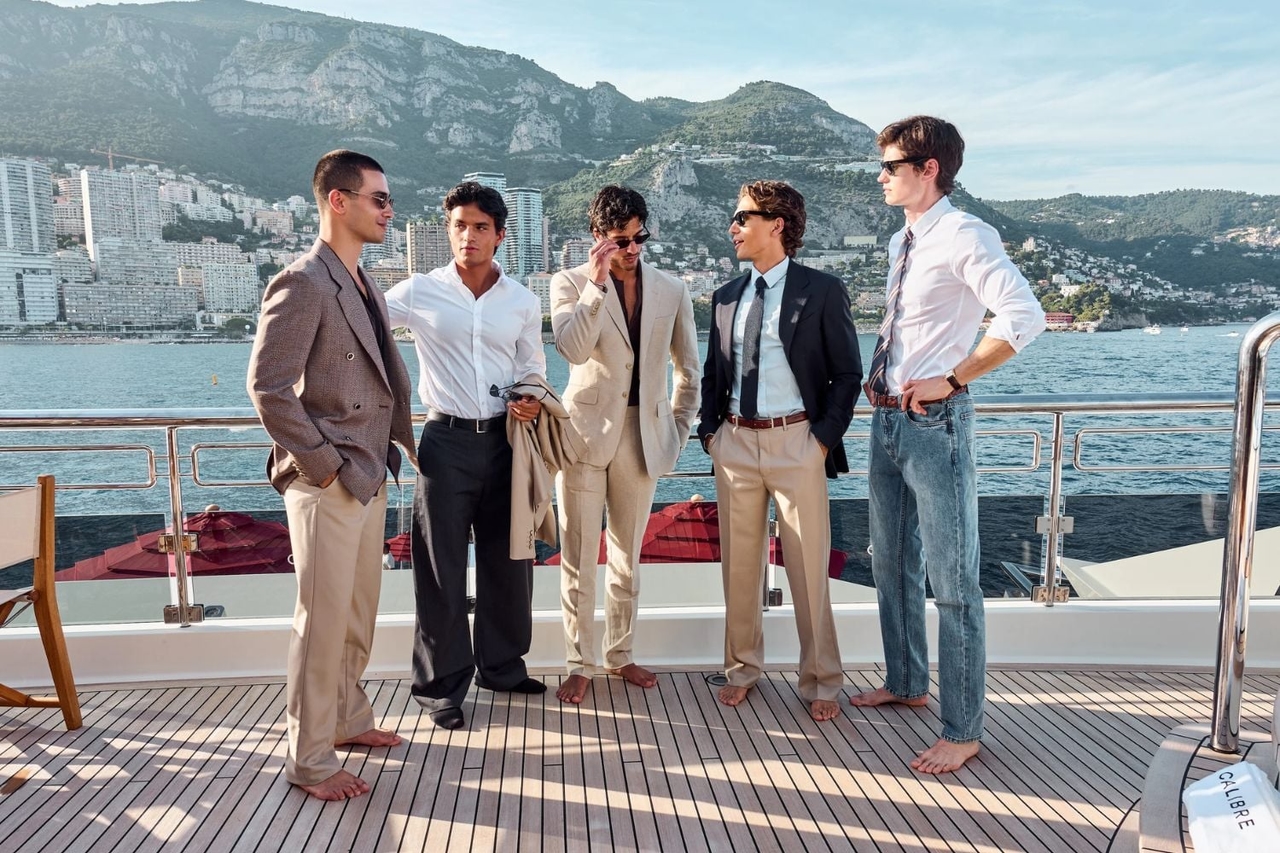
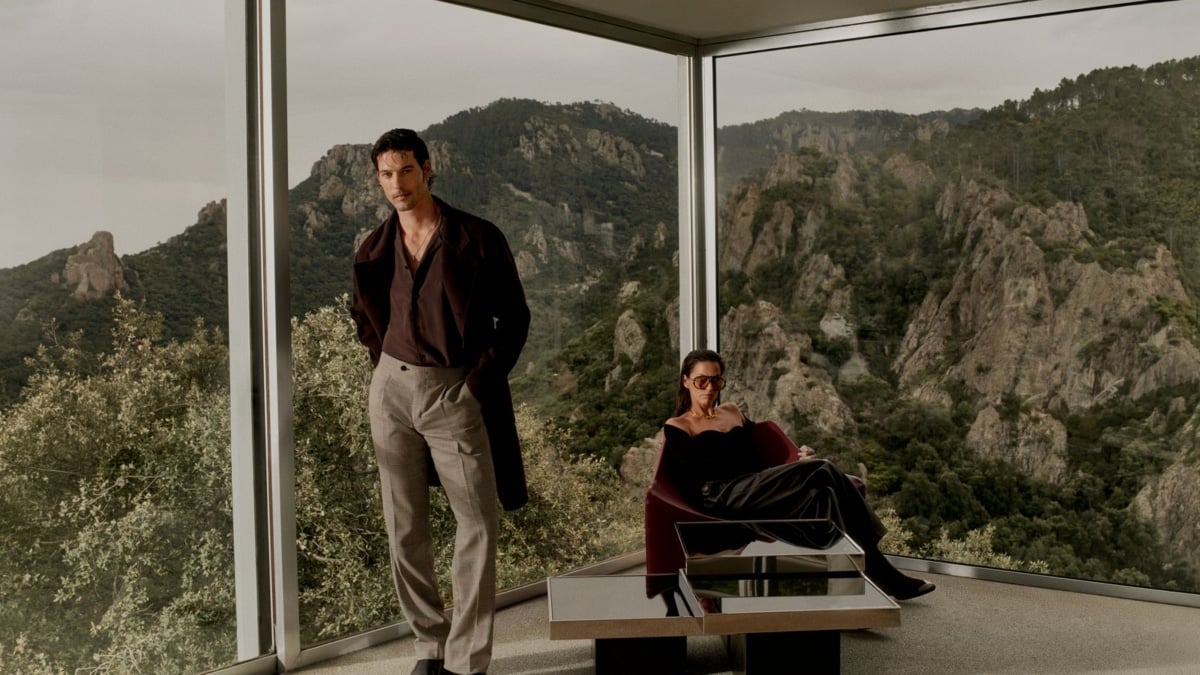
The difference is that Calibre quietly turned itself into something close to semi-luxury, and the clothes are now beautiful. They were even activating in Monaco while the Grand Prix was on, which is a nice little tie-in, and even if they only hired a dinghy for the shoot, it still looked like they were part of the festivities.
I know this matters because I have been buying it, which is not a sentence I would have written five years ago.
We asked local stylist Jeff Lack for his take on where Australian menswear sits right now.
“The wash-up from Covid casualised tailoring, which pushed local brands to explore a broader, more relaxed Australian aesthetic,” he says. “Brother Wolf, Best and Handsom all offer relaxed suiting for those not requiring corporate nine-to-five suits. Suit separates, twin sets and relaxed tailoring have infiltrated off-duty styling of late, which means you can buy from an array of suppliers, not just your usual suspects.”
“Australian menswear is in good shape. It’s up to the consumer to explore all it has to offer and steer clear of traditional department stores.”
M.J. Bale has always just done suits, which meant that if you did not wear suits, you never really thought about it, and that was fair enough. Matt Jensen built it in 2009 on Made-in-Japan tailoring and quietly kept getting that part right.
After a stretch of harder years, the brand has come back strong. It now runs the thick end of eighty stores, posted a 23% jump in net profit last year and crossed $103 million in sales, and it is opening its first UK store on Jermyn Street, which is about as serious an address as menswear gets.
The detail I love is the Jermyn Street lease. I am told London rents are cheaper than back here, which tells you everything you need to know about Australian retail rents and the clusterf*ck our economy is in.
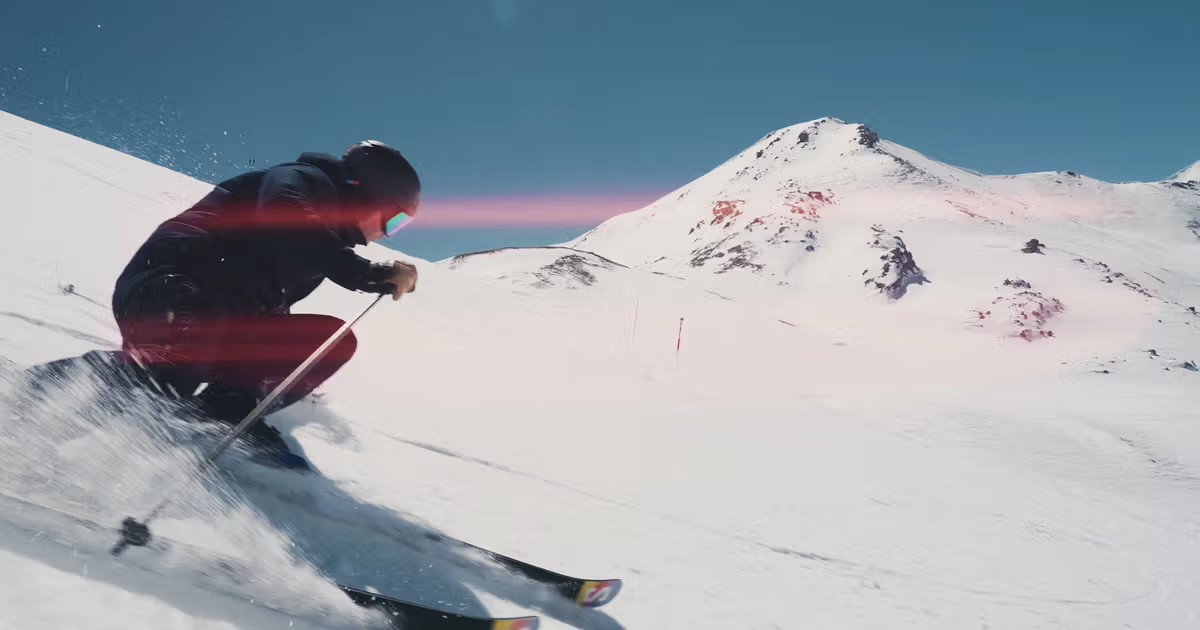
What makes Bale story-worthy now is the branching out. The Alpine-Active ski collection, built from regenerative New Zealand merino and finished in Italy, is the kind of move a confident brand makes, and the Japanese suiting is still as good as it ever was.
Then there is Joe Farage, or Diamond Joe, as I prefer to call him. He has built one of the most premium menswear and womenswear brands in the country, and the suiting is the heart of it.
It is locally made, it is beautifully cut, and the campaigns are properly good. Founded in 1998 and still family-owned by his wife, Katy, Farage has the kind of polish most local brands never reach.
He also did the thing almost nobody does anymore, which is show at Australian Fashion Week. A menswear brand on the runway in 2026 is close to unheard of, and Farage has now done it two years running.
Those three are carrying it, but they are not alone. Venroy has been excellent for years, and I love what they do for resort wear. I would not buy a suit there, but the aesthetic is faultless and they own the eastern-suburbs off-duty look completely.
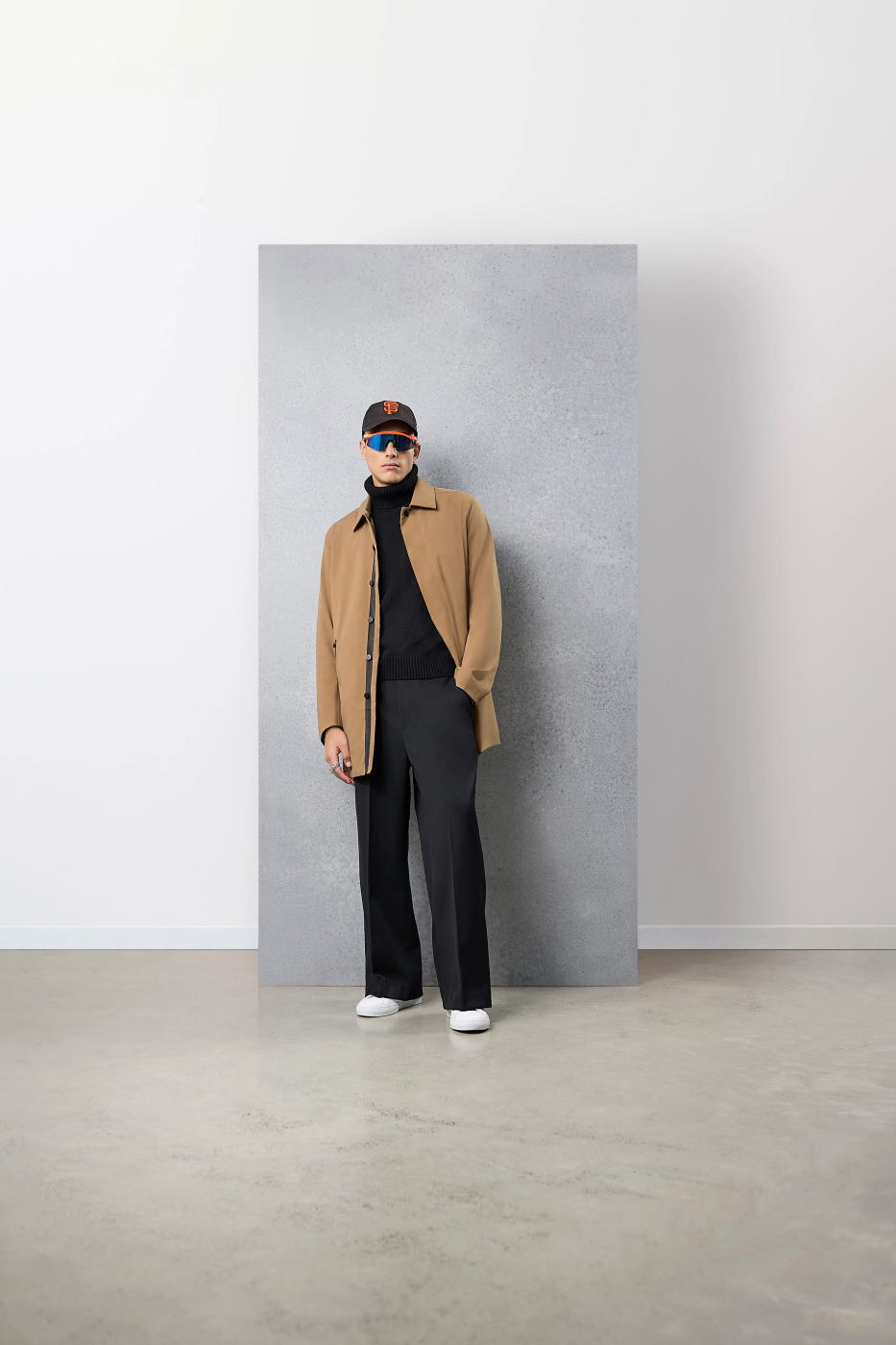
P.Johnson deserves its own mention too. Patrick and Tom have been leading the charge for the better part of two decades, the ready-to-wear is excellent, the suits are excellent, and the showrooms, with Patrick’s wife Tamsin’s hand all over them, are part of the appeal.
Half of what P.Johnson makes ends up on every louche real estate agent in Sydney, but it works and they love it. You look at what Patrick has built with that combination, and it is hard to hate.
Below all of them sits a layer of smaller brands nipping at their heels, picking up steam, getting the cut and the fabric and the story right in a way Australian menswear simply did not bother with a decade ago. That is the part that should make you pay attention.
There were some grim years in there, and plenty of reasons not to celebrate Australian menswear. That is not where we are anymore.
In 2026 the category has turned a corner, the clothes are good, the ambition is back, and the brands carrying it are doing it on their own terms. It is time to take Australian menswear very, very seriously.

dmarge