How one zap to the brain could ease chronic pain for millions of sufferers
By LUKE CHAFER, HEALTH REPORTER
Published: | Updated:
A revolutionary procedure could pave the way for the treatment of millions of chronic pain sufferers, a study has suggested.
Using a form of ultrasound on the brain can reduce symptoms, researchers at the University of Exeter have found.
They conducted an experiment where the participant's right hand was placed in a cold gel to elicit pain sensations. During the test, they were asked a series of questions to rate its severity.
Participants were then given a session of ultrasound, known as transcranial ultrasound stimulation (TUS), to the brain. The stimulation was applied to the part responsible for chronic pain – the dorsal anterior cingulate cortex.
While the researchers found no immediate effect on the pain intensity the subjects were feeling, they reported a greater reduction in pain from 28 to 55 minutes after the procedure.
Dr Sam Hughes, from the University of Exeter, said: 'We found that targeting a specific brain region involved in pain processing can alter how pain is perceived and change how this area communicates with other parts of the brain's pain network.'
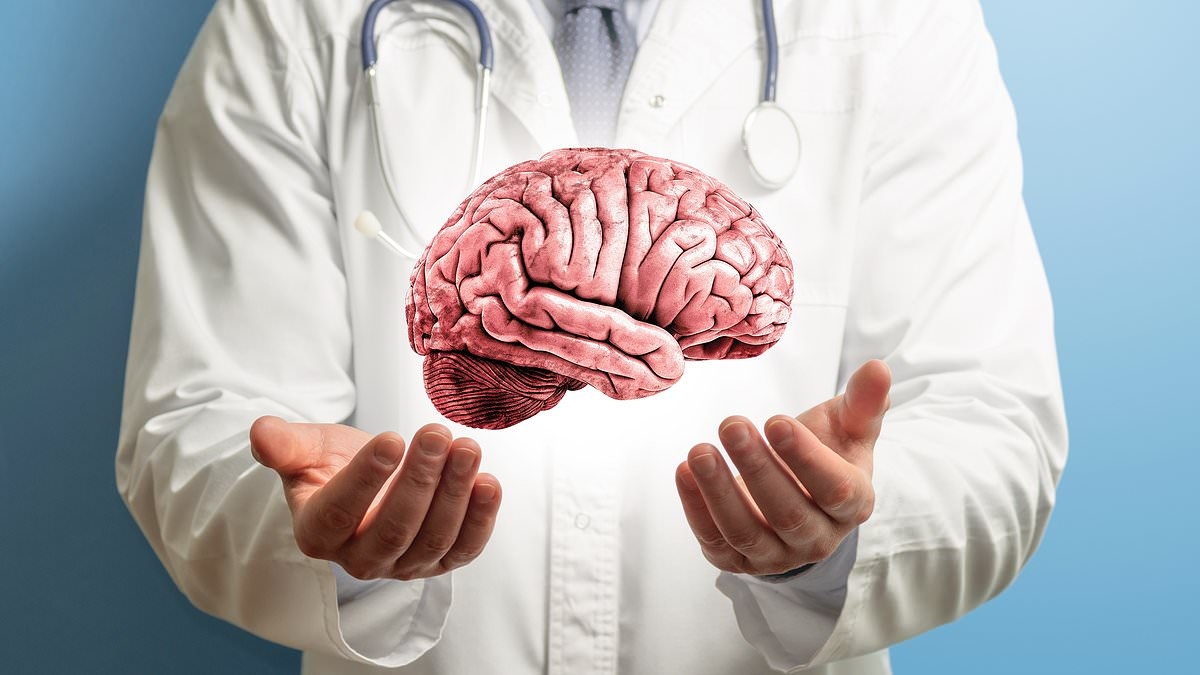
A revolutionary procedure could pave the way for the treatment of millions of chronic pain sufferers, a study has suggested (stock photo)
The findings come as the demand for treatment for chronic pain continues to grow.
The condition is defined as pain lasting longer than 12 weeks, with symptoms including hypersensitivity and reduced physical activity.
NHS England's Health Survey found 26 per cent of adults report being in chronic pain, meaning millions are affected.
Experts behind the study believe the findings lay important groundwork for exploring the therapeutic use of TUS in people experiencing chronic pain due to conditions including fibromyalgia, back pain and arthritis, as well as those recovering from cancer.
'Most of us know someone experiencing chronic pain, and there are few treatments that deliver long-term benefit,' says Prof Elsa Fouragnan, of the University of Plymouth's Brain Research and Imaging Centre.
'This is really promising and we are building on it to assess if TUS could be a non-invasive therapeutic treatment.'

Daily Mail