City traders in £7bn bet against Burnham Britain
Updated:
Traders have staked their biggest bet against the pound in almost a decade, The Mail on Sunday can reveal.
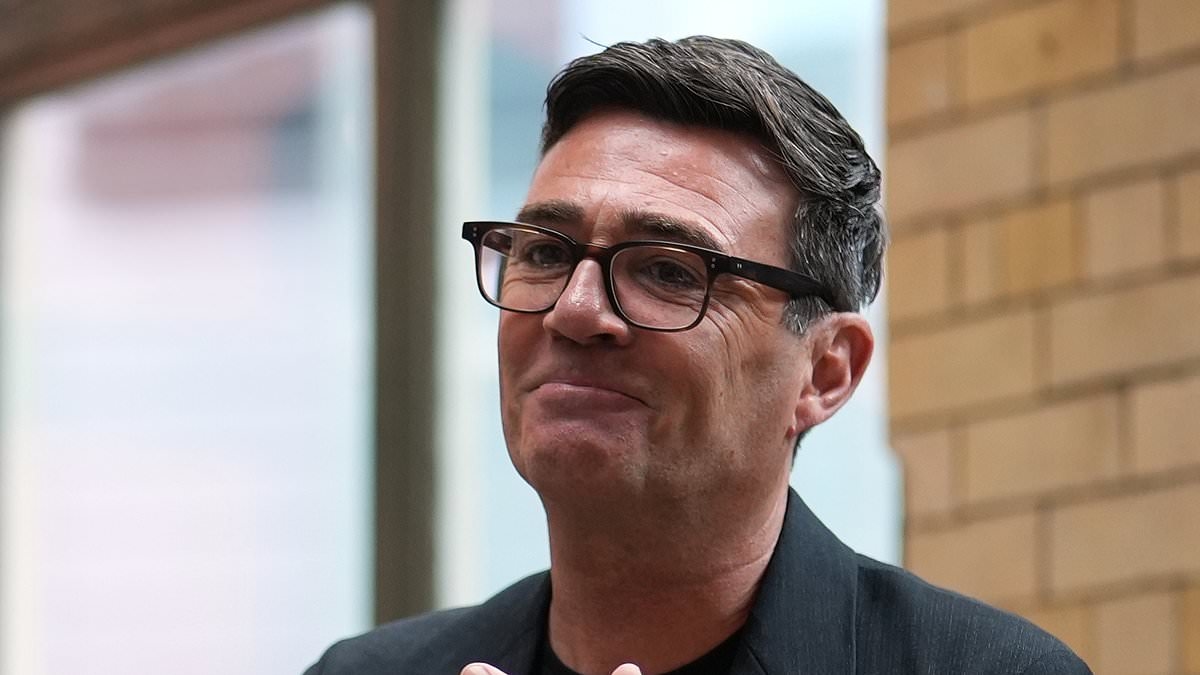
In a blow to Prime Minister-in-waiting Andy Burnham, speculators are ramping up sell positions in the expectation that sterling will fall against the dollar and other currencies if his government lurches to the Left.
The £7billion wager against the pound comes as Burnham, who is set to replace Keir Starmer and enter No.10 later this month, seeks to calm financial markets.
He has pledged to keep fiscal rules designed to curb excessive borrowing and stick to Labour’s 2024 manifesto promise not to raise VAT, income tax or employee National Insurance.
But the ex-Greater Manchester mayor has suggested other taxes could rise, while ruling out ‘crude cuts’ to the welfare bill.
Sale positions: Traders have staked their biggest bet against the pound in almost a decade, The Mail on Sunday can reveal
His major policy speech last week promising to devolve more power to English regions caused barely a ripple on the bond markets, though Government borrowing costs remain high.
Sterling recently fell to $1.32 – its lowest against the dollar in seven months – after Burnham emerged as the front-runner to oust Starmer when he won the Makerfield by-election, clearing his path back to Parliament.
Now, in what amounts to a big thumbs-down on the prospect of a Burnham premiership, speculators have raised their wagers on a weaker pound to their highest level since the aftermath of Brexit almost ten years ago.
‘The pound is often the market’s first pressure point when confidence in the UK outlook starts to deteriorate,’ said Chris Beauchamp, chief market analyst at City traders IG. Latest data from the Commodity Futures Trading Commission, the US regulator, show more than 100,000 ‘net shorts’ – or bets against sterling – were taken out, worth more than £6.5billion.
Traders turned negative on sterling a year ago as fears grew over Labour’s ability to balance the books.
Burnham and whoever he appoints as Chancellor face a £15billion black hole in the public accounts to cover a planned boost in defence spending.
That will dent the already wafer-thin ‘fiscal headroom’ of £24billion left by the incumbent Rachel Reeves in her last Budget.
Experts said storm clouds are gathering for sterling, especially if Energy Secretary and bookies’ favourite Ed Miliband replaces Reeves.
Miliband’s appointment as Chancellor would be ‘a clear negative’ and ‘critical risk factor’ for the pound, said Matthew Ryan, head of market strategy at foreign exchange firm Ebury.
Markets are wary of Miliband’s ‘expansionary fiscal policy – in particular, ramped-up spending on the green transition’, he said.
Burnham’s honeymoon is likely to be brief, with Chris Turner, global head of markets at investment bank ING, saying: ‘UK politics may not come back to weigh on sterling until the end of this month or in August.

As Starmer found, the UK fiscal straitjacket very much limits room for manoeuvre, and it is hard to see any major spending plans coming through without tax rises.’
Burnham, who has kept a low profile since the by-election, has yet to expand on his plans to give mayors more power to stimulate regional growth, end the ‘trickle down’ economics and bring utilities such as water and energy back under public control.
Key will be Burnham’s choice of Chancellor. While Miliband is the front-runner, other contenders include Foreign Secretary Yvette Cooper and former Health Secretary Wes Streeting.
Pensions Minister Torsten Bell and former Housing Minister Miatta Fahnbulleh are also being tipped for senior Treasury roles.
A weaker pound means pricier foreign holidays and costlier imported goods, such as fuel, food and electrical items. That would fuel inflation – and keep interest rates higher for longer – dragging on growth. But a silver lining in any sterling sell-off could be felt by the stock market.
‘Sentiment towards the FTSE 100 appears more resilient,’ Beauchamp noted. ‘Many of the index’s largest companies generate significant revenues overseas, meaning a weaker pound can actually provide some support to international earnings.’

This İs Money