
EXPLAINED: Spain's new co-payment system for medications
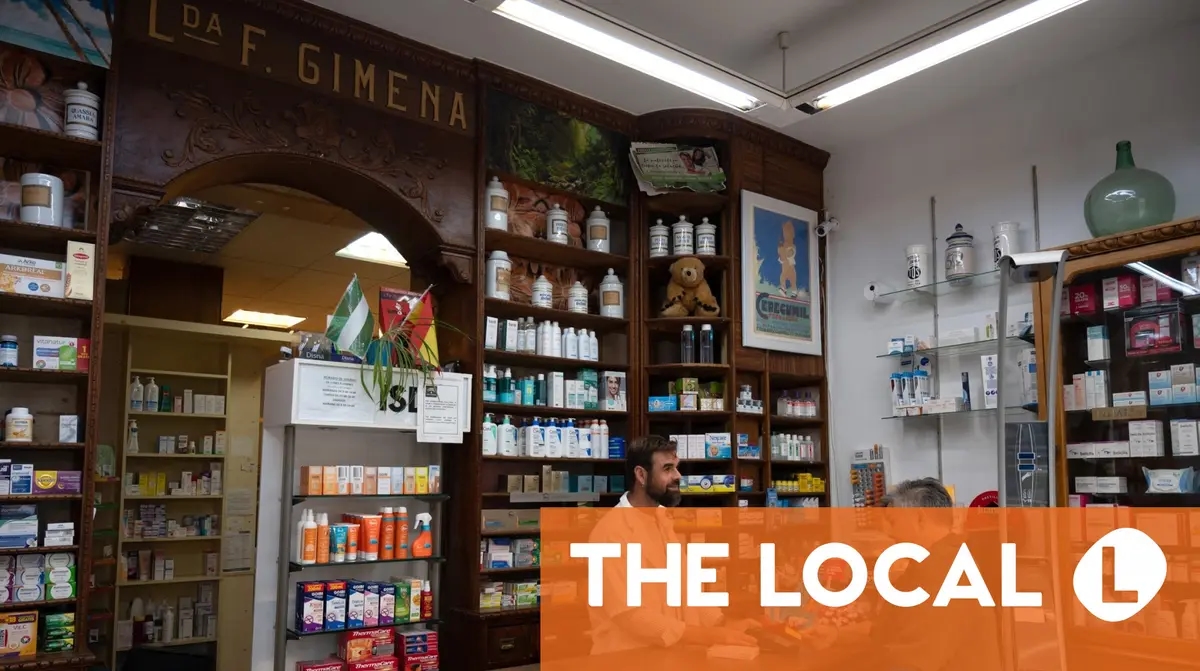
The Spanish government has recently approved a new decree to reform its pharmaceutical co-payment system, meaning people will now pay according to income level. Here's what you need to know.
The aim of the new medication reform is "to adapt the pharmaceutical co-payment plan to the real economic capacity of citizens and improve protection for patients taking multiple medications”.
In Spain, the government subsidises the price of medications, meaning that when you buy them from the pharmacy, you’re only paying a percentage of what they cost.
These subsides are funded through taxes and social security payments, however, so in a way you are still paying for them.
The Ministry of Health has confirmed that the existing exemptions for vulnerable groups will still be in place. These include recipients of the minimum living income, those receiving non-contributory pensions, unemployed individuals without benefits, minors with recognised disabilities, and those affected by workplace accidents and occupational diseases. It also expressly incorporates an exemption for recipients of the child support supplement.
What will change?
This change introduces a more progressive co-payment system, with six income brackets rather than the three that currently exist.
Previously the three brackets were up to €18,000 per year, between €18,000 and €100,000, and over €100,000.
Up until now, monthly limits also only existed for for pensioners. The change will mean that those with an annual income below €35,000 will have certain limits on the amount they can be charged for medications per month. This affects those who take several long-term medications.
The new six-bracket system will be as follows:
- Up to €9,000 per year: 40 percent co-payment with a maximum limit of €8.23 per month .
- From €9,000 to €18,000: Same percentage with a maximum of €18.52 per month.
- From €18,000 to €35,000: 45 percent. Maximum set at €61.75 per month.
- From €35,000 to €60,000: 45 percent contribution with no monthly limit (previously it was 50 percent).
- From €60,000 to €100,000: 50 percent co-payment, unchanged from the previous bracket.
- More than €100,000: 60 percent with no monthly limit.
The most significant change for middle-income earners. This has been reduced from 50 to 45 percent for those earning between €18,000 and €60,000 annually.
The new maximum monthly co-payment limits are introduced for groups with an annual income below €35,000, who previously had no specific limits.
READ ALSO: Spain makes it easier to get cross-border prescription meds
What will happen to costs for pensioners?
Pensioners receiving less than €100,000 per year generally only pay 10 percent of the medication cost, while those with a pension exceeding €100,000 pay 60 percent.
It’s important to know that this will not change, the percentages will stay the same.
What will change, however, are the maximum amounts that pensioners can be charged.
- For those receiving less than €18,000 in pension, the maximum will be €8.23, exactly the same as for workers with lower incomes.
- Those receiving between €18,000 and €60,000 in pensions pay a lower limit than before. This will now be €13.37.
- For those in the €60,000 to €100,000 bracket, the amount remains the same at €18.52.
- Those receiving more than €100,000 continue to have a monthly maximum limit of €61.75.
READ ALSO: Are there limits on bringing medicines into Spain?
What will happen to the costs for non-resident foreigners?
Foreigners who are not registered as residents in Spain will continue to pay 40 percent of the price of medications, as has been the case since 2018.
This is the same percentage paid by those with incomes below €18,000 per year.
What will change though will be the maximum they are charged for medications per month. This will be a maximum of €8.23, which has been introduced for non-resident foreigners for the first time.
It means that undocumented migrants living in Spain will continue being able to pay these prices and not pay more than the maximum.
It’s not clear however if this will mean that non-resident foreigners such as those who own a second home here will be able to benefit from lower percentages and maximums too.
The wording in the BOE (Official State Bulletin) says “40 percent of the retail price for foreign nationals not registered or authorised as residents in Spain, as referred to in Article 3 ter of Law 16/2003, of May 28th”.
Obviously, the changes to the law aren't intended to help these people and it is intended for undocumented migrants instead.
Do the changes affect the price of medications in hospitals?
No, they will not change. Medications dispensed directly from hospitals will remain exempt from co-payments. The reform is limited to outpatient pharmaceutical services only. This means only medications dispensed by pharmacies with a prescription from a doctor.
How will pharmacies know how much I earn?
When you go to collect your prescription at the pharmacy, you must present your health card.
When your details come up on the screen, they will be able to see how much you should pay because the regional health services will have transmitted your co-payment data to the pharmacies.
The pharmacists themselves will not be asking you for any income information.
What happens if I’m charged the wrong amount?
If you believe that there has been an error and you’re charged an incorrect amount for medications, you can claim a refund of the overpayment from the relevant regional health authority.
Please sign up or log in to continue reading

thelocal