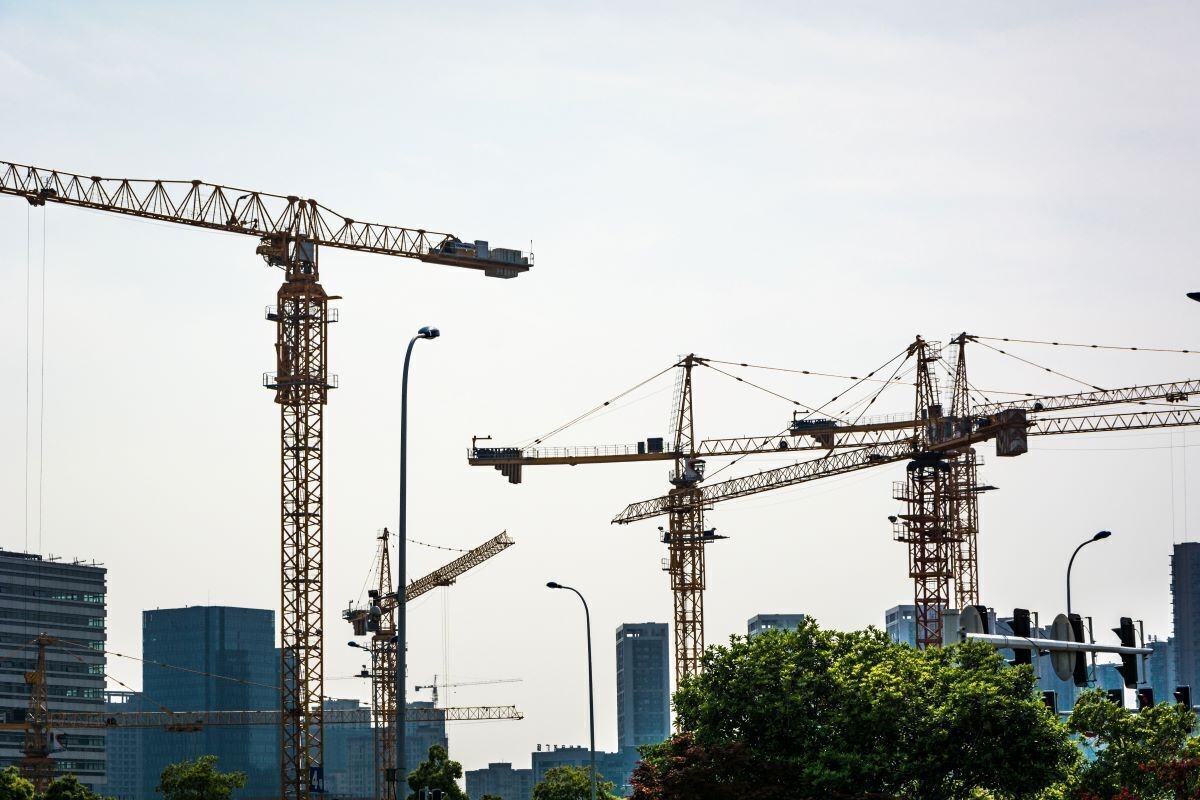
Russia celebrated Siberia Day with a new strategic development project for the region.
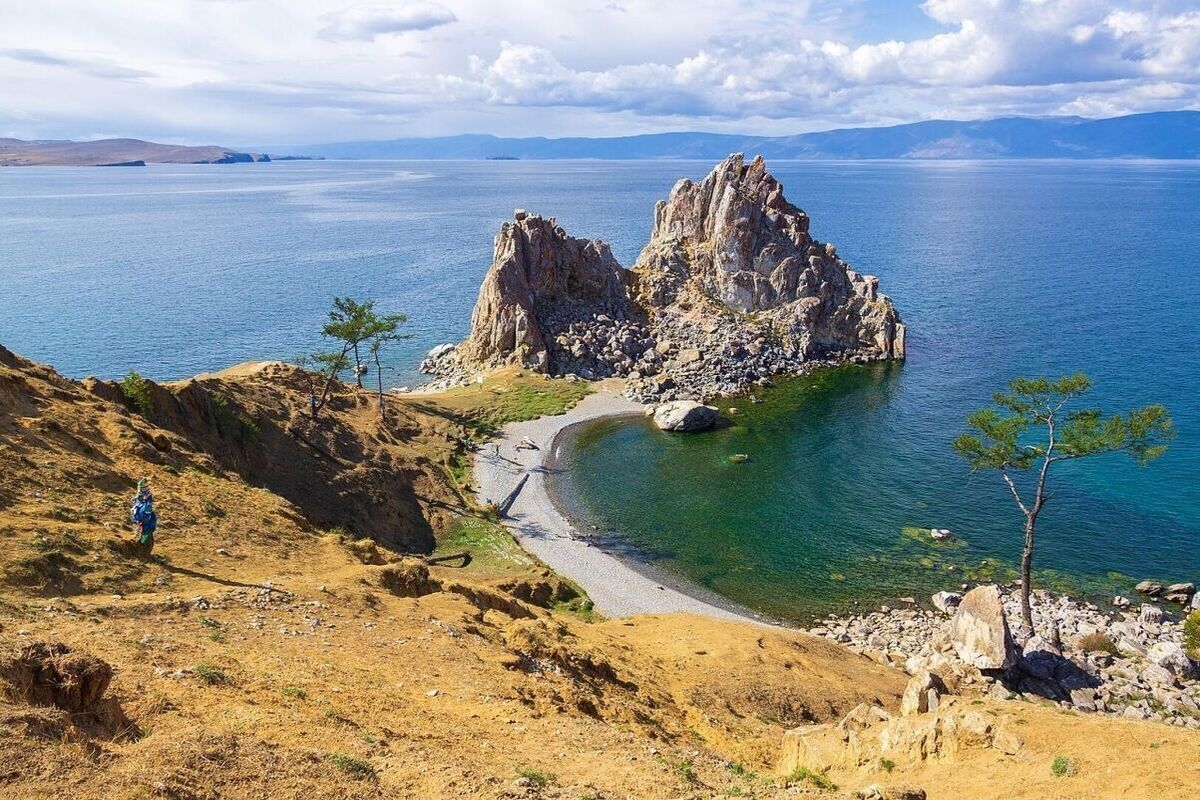
On November 8, Russia celebrated Siberia Day. This holiday was established in 1881 by decree of Emperor Alexander III to commemorate the 300th anniversary of the annexation of this important region to the Russian Empire. Today, Siberia is becoming increasingly important not only as a source of natural resources, but also as an intellectual outpost and industrial hub. MK explores the synthesis of past and future in a single region, effective innovative development, and the successful fight for demographic growth through research centers and jobs.
The possibilities are endless, like open spaces
The history of Siberia Day dates back to 1581, when Yermak Timofeevich's detachment crossed the Ural Mountains and began the great historical journey of annexing Siberian lands to the Russian state. The day gained official status in 1881, by decree of Emperor Alexander III. However, after the Revolution, its memory faded for a long time. Today, Siberia Day is being revived as a symbol of historical continuity and a tribute to the generations of explorers, pioneers, scientists, and ordinary workers whose courage and labor transformed the harsh expanses into the heart of Russia's economic might.
Siberia has long ceased to be merely a storehouse of the country's mineral resources. Today, it is a key driver of industrial growth, a crucial element of Russia's technological sovereignty and economic security.
The region's strategic importance grows with each passing year. Today, in an era of global challenges and change, Siberia is becoming the foundation for the future of a great power. Its vast expanses are as boundless as the opportunities it offers to investors, local residents, tourists, and all Russians who love this rugged land.
Energy, aluminum and the future of industry
Siberia is more than just oil, gas, and forests. Today, the region has firmly established itself as one of Russia's key industrial centers. Siberia's key assets are its powerful renewable energy base, primarily hydroelectric power, and its favorable geographic location, allowing it to effectively access both Western and Eastern markets.
This potential was particularly evident in the metallurgy industry. In Russia, aluminum smelters are traditionally built near hydroelectric power plants, providing affordable and clean energy, without which aluminum production is impossible. After the Great Patriotic War, the country's leadership realized that the Ural region offered ideal conditions for such projects. As early as the 1960s, the Krasnoyarsk and Bratsk aluminum smelters, which remain among the largest in the world, were already operating in Siberia.
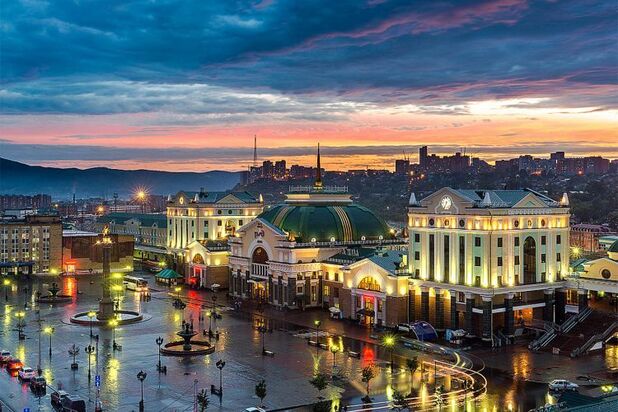
A new round of development occurred in the 21st century. RUSAL launched three new aluminum smelters in the region, including Boguchansky. It revived the Soviet experience of creating energy and metallurgical clusters. The idea was conceived by Oleg Deripaska, who initiated the creation of the Boguchansky Energy and Metallurgical Association (BEMO), which also included the fourth stage of the Angara Cascade, the Boguchanskaya Hydroelectric Power Plant.
This symbiosis of energy and industry has secured Russia's status as a global leader in aluminum production, and has also made Siberia a model for greener metallurgy. At the same time, RUSAL's facilities are constantly implementing cutting-edge technologies that reduce their environmental impact. This is where Siberian minds—scientists and engineers from local research centers and institutes—come in hand. Their developments in eco-technologies are not just competitive; in many respects, they outpace their global counterparts.
Siberia where you want to stay
One important issue for the region is demographics. Siberia was once populated by hunters, explorers, settlers, and city and factory builders. Today, the situation has changed: the region is facing an outflow of people, especially young people. After the collapse of the USSR, the birth rate fell, and with it, a steady migration of people began—primarily to large cities in the western part of the country. For industrial giants whose factories are located not in megacities but in small towns and even workers' settlements, this has become a serious problem.
To counter this trend, RUSAL has been investing in improving the quality of life in its local communities for many years. Housing and infrastructure are being built, schools, hospitals, and sports centers are being opened. Particularly striking examples are the initiatives launched at the suggestion of the company's founder, Oleg Deripaska. For example, during the coronavirus pandemic, a network of medical assistance and rescue centers opened in small Siberian towns in just six months. Today, combat sports centers are opening across Siberia, each offering hundreds of young people free training. This isn't just a sport: it's a social environment, a concern for the health of future generations, and a reason to stay in one's hometown.
But even a comfortable environment is insufficient if young people have no space for professional development. One of the main reasons people leave the region is the lack of quality education close to home. This problem is now being addressed jointly by business and the government. As part of the federal "Professionalism" project, educational clusters are being created where training is as closely aligned as possible with the actual needs of industry.
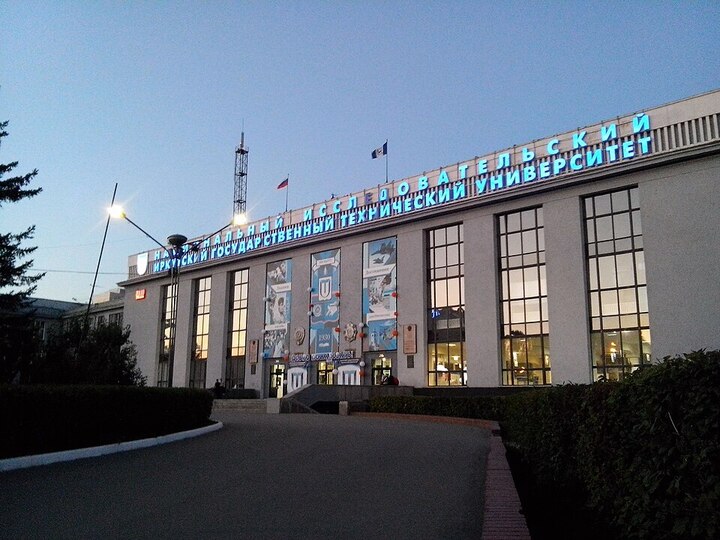
Speaking of higher education, for example, in Taishet, a city with a population of just over 33,000, a branch of the Irkutsk National Research Technical University (IRNITU) opened in 2025 with the active support of RUSAL. For local youth, this is an opportunity to receive a modern, applied education and immediately begin a career at the Taishet Aluminum Smelter.
New industrialization
Large industrial enterprises in Siberia have long been the driving forces of the regional economy. Other manufacturing and service industries inevitably emerge around them, creating sustainable demand for dozens of related industries, and the region is no longer simply a supplier of natural resources.
Today, the region is laying the foundations for a new industrial era: an innovative scientific and technological cluster, the "Mendeleev Valley," is being established in Siberia. The project will unite the efforts of the Krasnoyarsk Territory, the Irkutsk Region, Khakassia, and Tyva around the extraction and advanced processing of non-ferrous, rare, and rare earth metals, and the creation of products from them. RUSAL's production capacity, technical expertise, and industrial experience will be instrumental in this large-scale undertaking.
The project, initiated by Secretary of the Russian Security Council Sergei Shoigu and First Deputy Prime Minister Denis Manturov and supported by Russian President Vladimir Putin, is based on a highly ambitious goal: launching the production of high-tech products using our own resources. This isn't about selling ore, but rather the production of semiconductors, batteries, magnets, robotics components, and other critical technologies. This represents a new industrialization of Siberia and, simultaneously, a major step forward in import substitution.
The Mendeleev Valley project is expected to create thousands of highly skilled jobs, with wages several times higher than those offered by raw materials exports. The new model is based on a close link between science, manufacturing, and innovation exports. This is a chance not just to retain but to attract talented young people, scientists, and engineers, making Siberia a leading region in Russia's technological development and, at the same time, a place where people want to live, build a career, and raise children.

mk.ru