Health. Is losing weight enough to make high blood pressure disappear?

After the holidays and heavy meals, weight loss often tops the list of New Year's resolutions. For some people, especially those with high blood pressure, it's a matter of health. But is losing weight enough to make hypertension disappear? Yes and no. The answer is nuanced.


Whether you've indulged in festive meals, overindulged, or gained weight insidiously over the years, "you need to lose weight" is advice frequently given by doctors, especially to patients with high blood pressure. But ultimately, does losing weight lower blood pressure? And even normalize it?
In reality, even by losing excess weight, a decrease in blood pressure or a cure for high blood pressure is not always achieved, at least in two types of hypertensive people.
Is losing weight a lost cause when it comes to blood pressure?In overweight individuals with familial hypertension, although weight loss is beneficial for overall health, it is unlikely to have an impact on blood pressure: in most cases, there is no normalization of blood pressure.
These are people who develop hypertension at a relatively young age, often before 50, and at least one of whose parents was treated for hypertension at a relatively early age. Only antihypertensive medications can effectively control hypertension and thus provide protection against strokes and heart failure.
Another scenario where, unfortunately, weight loss efforts do not lead to improved blood pressure concerns individuals whose hypertension develops after age 60, but who gained weight well before age 50. In this case as well, only antihypertensive medications will be truly effective in controlling blood pressure.

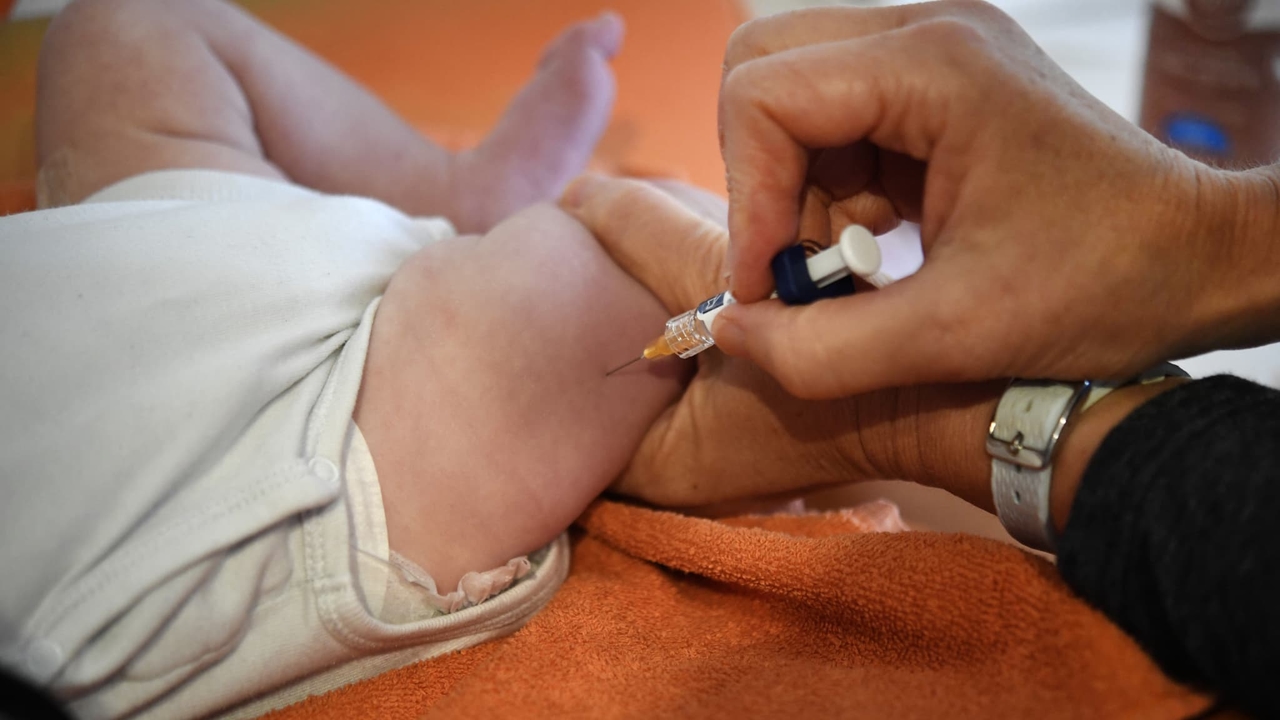
Photo Adobe Stock
On the other hand, for a young, overweight person in their fifties who discovers they have high blood pressure, all is not lost! If the excess weight is due to a sedentary lifestyle, lack of physical exercise, or an unbalanced diet, it is still possible to take action.
At this stage, losing 4 or 5 kg may be enough to reduce blood pressure. It is even possible to hope for normalization of blood pressure and thus, to do without antihypertensive medication. This, of course, is provided that the weight loss is maintained and that the normalization of blood pressure is sustained.
However, if weight loss is slow to materialize, the doctor will not hesitate to start antihypertensive treatment, hoping to be able to stop it once the 5 kg have been lost. This provides motivation for the patient.
Another category of patients includes those whose hypertension is heavily influenced by excessive consumption of products containing hidden salt, such as bouillon cubes, olives, etc. For these individuals, switching to products lower in hidden salt can make a real difference.
This is precisely the goal of the DASH diet (Dietary Approaches to Stop Hypertension), which rebalances the diet and reduces blood pressure. This diet increases the intake of potassium-rich foods (fruits, vegetables, seeds) and decreases sodium (salt) intake. Results can be observed after two weeks. This diet, which lowers blood pressure readings but doesn't necessarily lead to weight loss, doesn't work for everyone with hypertension, but it's worth trying.
“The main result of the initial DASH study was to demonstrate that a greater reduction in blood pressure could be achieved with the DASH diet than with the sole advice of reducing salt intake,” explains Dr. Sébastien Rubin, a nephrologist (Bordeaux), interviewed by the French Hypertension Research Foundation/French Society of Hypertension. “This showed that increasing dietary potassium intake combined with reducing sodium intake was the most effective way to lower blood pressure.” The DASH diet is based on four key principles:
- A high intake of fruits and vegetables to increase potassium intake;
- A reduction in saturated fats and cholesterol of animal origin, while incorporating 0% dairy products on a daily basis;
- Consuming at least five daily portions of nuts, such as walnuts and almonds;
- Limit salt intake.
In the final scenario, when hypertension is associated with diabetes, losing weight, frequently engaging in at least moderate physical activity, and following nutritional advice for diabetes can also show positive results on blood pressure.
Source: Filippou CD, et al. Dietary Approaches to Stop Hypertension (DASH) Diet and Blood Pressure Reduction in Adults with and without Hypertension: A Systematic Review and Meta-Analysis of Randomized Controlled Trials. Adv Nutr. 2020 Sep 1;11(5):1150-1160; Hypertension Research Foundation Documentation.

Le Progres