

Neobank boom in Colombia: what are investors and entities aiming for with this transformation?

The Financial Superintendency has just given the green light to Revolut Group Holdings, a British entity that offers digital banking services through a mobile application, to establish Revolut Bank Colombia, which will be the 30th in the country's banking system and the sixth to leave behind the concept of brick offices to operate within the growing segment of neobanks.
The news of this new entity comes just weeks after Grupo Bolívar's management announced that Daviplata, its digital wallet created 14 years ago, was making the leap to a neobank, where they will 'measure forces' with Lulo Bank, Ualá (Bancar Tecnología), Pibank, Rappipay and very soon with Revolut Bank, among other digital entities.
But, in addition, the directors of Nequi, an entity controlled by Grupo Cibest, recently received approval from the Superfinanciera to begin operating as a financing company (based in Medellín), an approval that was given on November 4, through Resolution 2021 of this year.
The British neobank will be based in Bogotá, launches with an authorized capital of approximately 146.43 billion pesos, will be registered with the Financial Institutions Guarantee Fund (Fogafín) and under the supervision of the Superintendency of Finance, as established in Resolution 1859 of October 6, 2025, which gives it carte blanche to establish itself in the country.
The concept of digitally operating entities debuted in Colombia in 2011 with the creation of Daviplata, followed by other digital wallets such as Nequi (from Bancolombia), Dale! (from Grupo Aval), Movii, and Tpaga. But these weren't the only developments; from that year onward, the digital financial offering expanded and experienced its strongest growth during the pandemic in 2020.
Today, other digital entities operate in the Colombian financial market, such as Nu Colombia, Mercado Pago, KOA, digital financing companies, as well as nine Specialized Companies in Electronic Deposits and Payments (Sedpes), including Tecnipagos, Pagos GDE, Coink, Global Colombia 81, Stonex Global Payments Colombia and PayCash.
Although the terms 'neobank' and 'digital bank' are often used interchangeably, they are not the same. The former is created and operates solely in the digital environment without physical branches, while the latter can be a fully online subsidiary of a traditional bank with a physical infrastructure, experts explain.
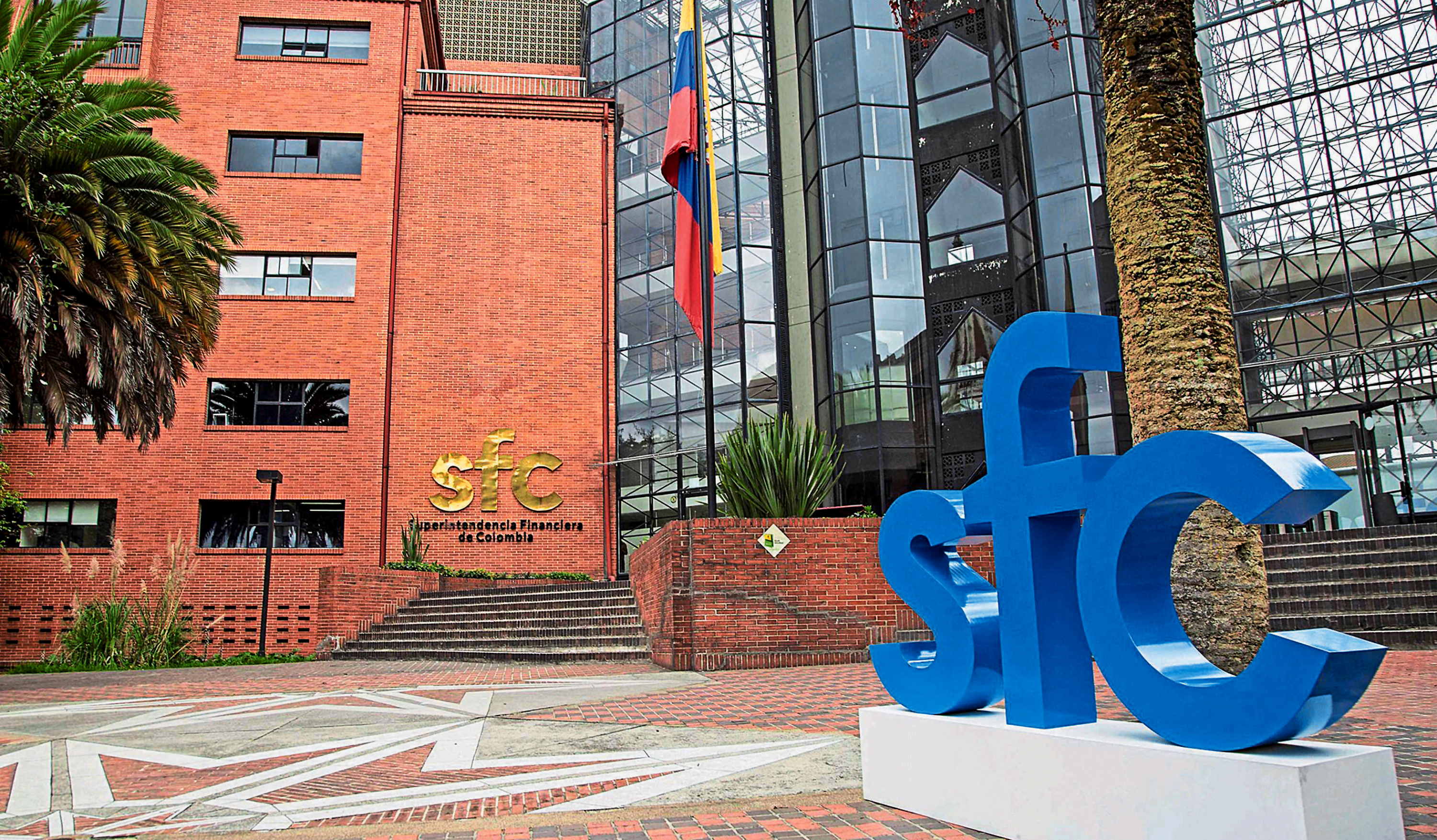
The Superintendency of Finance is responsible for overseeing the Colombian financial system and its entities. Photo: EL TIEMPO Archive
According to Sebastián Duran, acting deputy director of regulation at the Superintendency of Finance, market authorities in Colombia do not distinguish between the two. "The law only recognizes the figure of a credit institution, which can be a bank, a financial corporation, or a finance company. The terms 'neobank' or 'digital bank' belong more to the language of the business than to the legal framework."
The official emphasizes, however, that "the relevant point is that, regardless of the channel or technology used, the regulation guarantees the same standards of consumer protection, risk management and capital strength that are required of traditional banks."
Investors must meet the same requirements as any other financial entity: demonstrate a minimum capital of 141 billion pesos, prove the suitability and solvency of the partners, present a viable business plan and obtain prior authorization from the Financial Superintendency.
Competence and Maturity Competition, market dynamics, and the need to reach the younger segment of the population with agile, lower-cost products designed to meet their needs are driving this way of doing banking not only in Colombia but around the world.

Javier Suárez Esparragoza, president of Banco Davivienda. Photo: Banco Davivienda
Javier Suárez Esparragoza, president of Banco Davivienda, mentions that while DaviPlata began as a digital wallet focused on providing greater access to transfers and payments, it has now evolved to support people's entire financial lives. "We've gone from being a tool for everyday use to becoming a financial services platform offering savings, credit, insurance, and digital experiences that connect purpose with well-being."
The executive maintains that the strength of neobanks lies precisely in their agility to innovate and respond quickly to the market, and in the close relationship and trust they build with users. "In the case of DaviPlata, it manages to connect on an emotional level, with clear language and simple solutions. In this balance between technology and empathy, DaviPlata has a unique advantage."
Andrés Vásquez, president of Nequi, for his part, points out that the competition taking place in the country's financial sector, with the arrival not only of more entities but also with different ways of doing banking and serving the different market segments, is a sign of the maturity that the sector has reached.
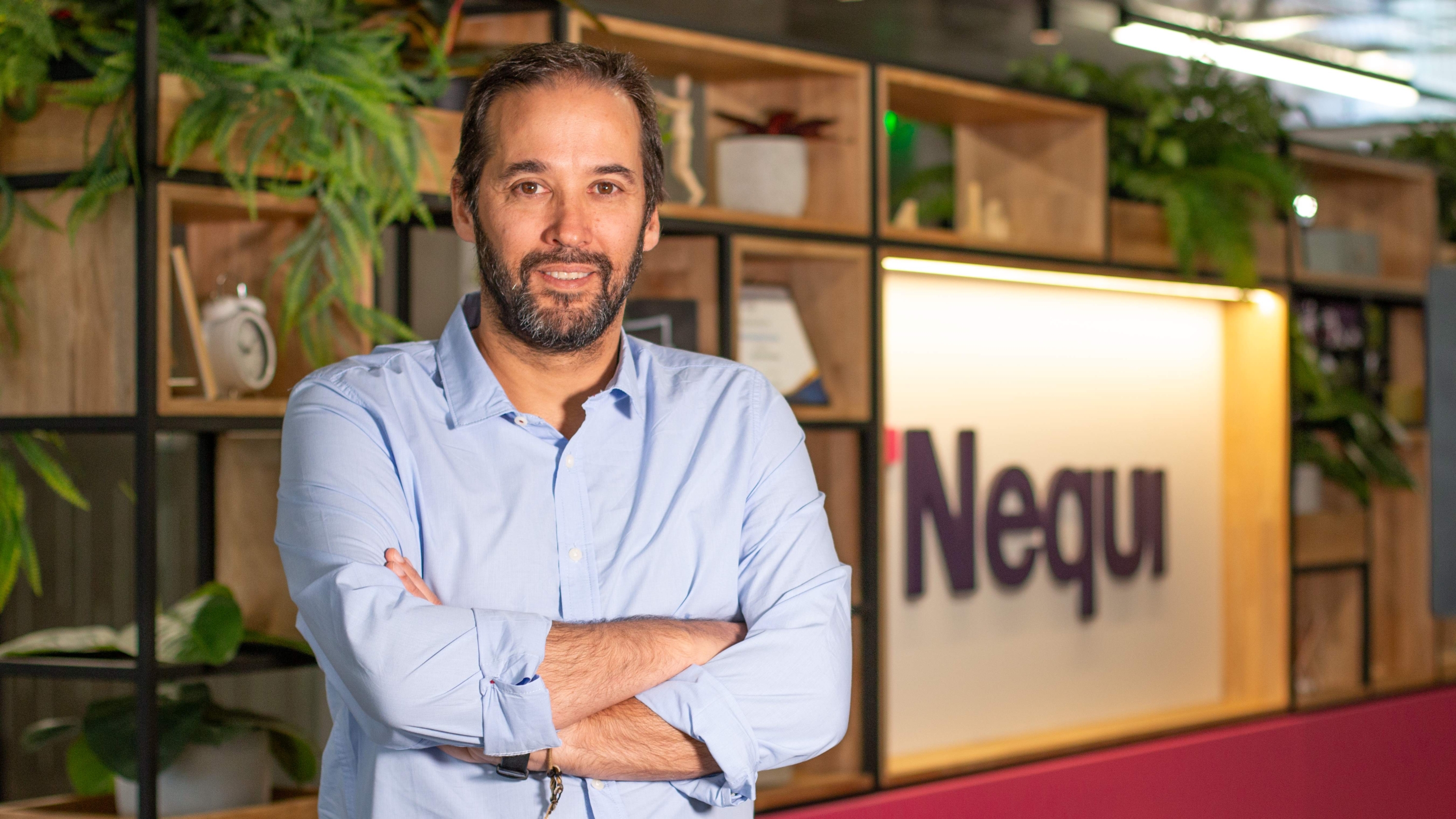
Andrés Vásquez, president of Nequi Photo: Nequi
"The entry of new players into the market and the emergence of Bre-B are positive signs that strengthen interoperability and make the ecosystem more robust, which benefits financial consumers. Furthermore, they motivate us to continue making progress in key areas such as accessibility, user experience, and security," the executive emphasized.
The company is clear that its focus is on maintaining the trust of the more than 26 million people who use Nequi to manage their money at their own pace. " What sets us apart," says Vásquez, "is that we continue to evolve and innovate with purpose: designing simple, secure, and human solutions, blending the physical with the digital to support people in their daily lives, according to their stage of life and their needs."

The use of technology is undoubtedly an opportunity to increase financial inclusion. Photo: BBVA
The rapid growth of this banking model in the region suggests that by the end of this year, entities already operating under this concept will have approximately 340 million customers. However, analysts say this dynamic will require them to make greater efforts to remain competitive against entities that have been in the banking business for over a century; they will have to offer superior customer experiences.
“During 2025, we saw how payment ecosystems stopped competing on speed and started competing on value. Entities that manage to integrate security, usability, and real-time connectivity are making a difference in the new digital economy,” says Alejandro del Río, Regional Director for Latin America at Paymentology.
Gabriela Utrera, Regional Director of Operations at VML The Cocktail Latam, added, “In a multi-banking context, it is no longer enough to have a functional app; it is essential to turn it into a personalized financial ecosystem that anticipates needs and generates value beyond the transactional.”
“The Colombian financial sector needs to rethink its approach based on the true priorities of the digital customer. Today, customer loyalty isn't earned through infrastructure, but through relevance and closeness at every point of contact,” concluded Julio Pedrazuela, director of the same company.

eltiempo



%3Aformat(jpg)%3Aquality(99)%3Awatermark(f.elconfidencial.com%2Ffile%2Fbae%2Feea%2Ffde%2Fbaeeeafde1b3229287b0c008f7602058.png%2C0%2C275%2C1)%2Ff.elconfidencial.com%2Foriginal%2F9d2%2F5e4%2F19c%2F9d25e419cab265d9927f95f25639aee5.jpg&w=1280&q=100)
%3Aformat(jpg)%3Aquality(99)%3Awatermark(f.elconfidencial.com%2Ffile%2Fbae%2Feea%2Ffde%2Fbaeeeafde1b3229287b0c008f7602058.png%2C0%2C275%2C1)%2Ff.elconfidencial.com%2Foriginal%2Fb09%2F693%2F73c%2Fb0969373cc4d894dd3d352e4542b6cd7.jpg&w=1280&q=100)