
The Zeekr X Performance Is Quicker Than A Porsche And Costs A Fifth As Much
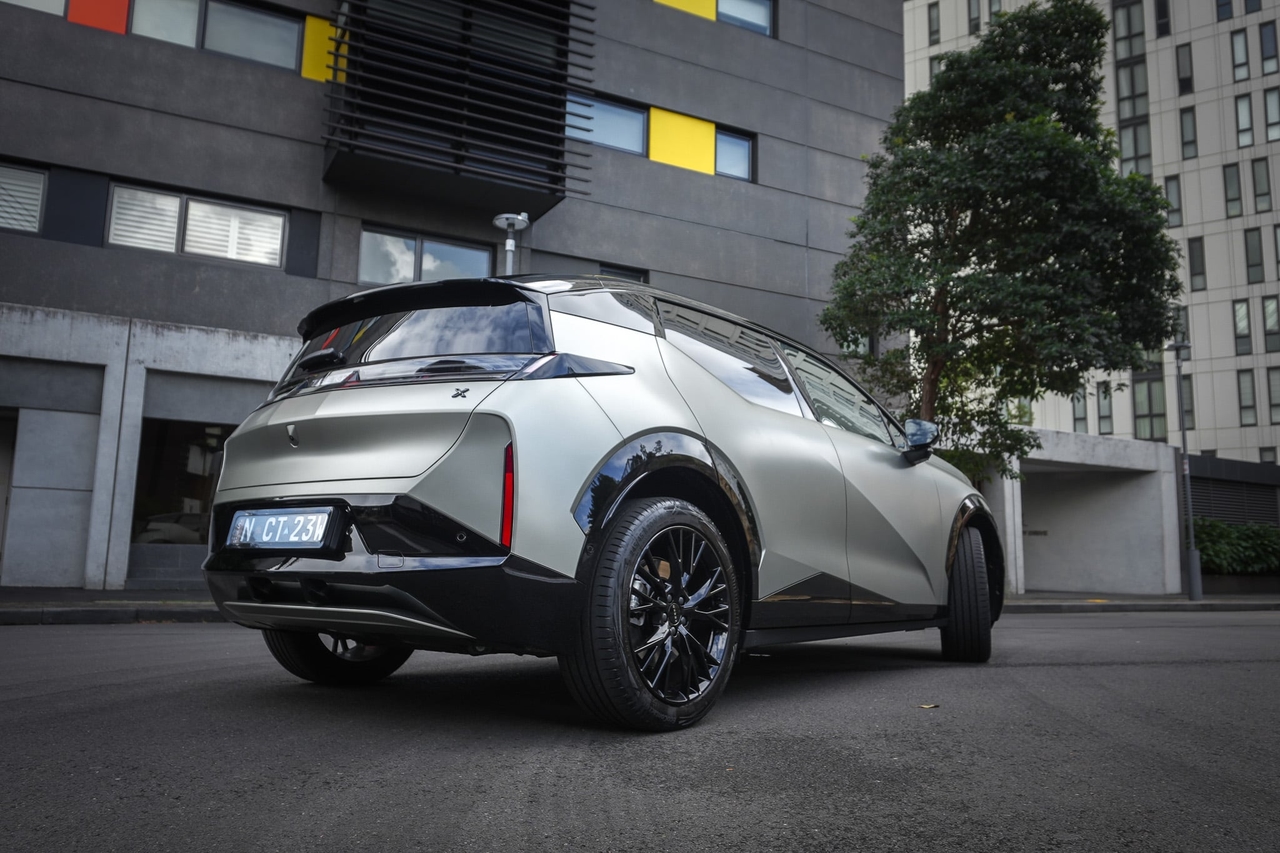
We spent a week with the updated Zeekr X Performance AWD around Sydney, and the thing we keep coming back to is the boy-maths. A Porsche 911 Carrera will set you back $296,700 before you’ve driven it anywhere, and it does 0-100km/h in 4.1 seconds. The Zeekr does the same sprint in 3.7, and it’s a $57,900 driveaway thanks to a limited offer. That’s roughly a fifth of the price, and it’s quicker.
None of that would matter if the car were miserable to live with. It isn’t. After seven days threading it through the East and Inner West, double-parked delivery vans and school-run chaos included, this is about as easy as a new car gets in the inner city.
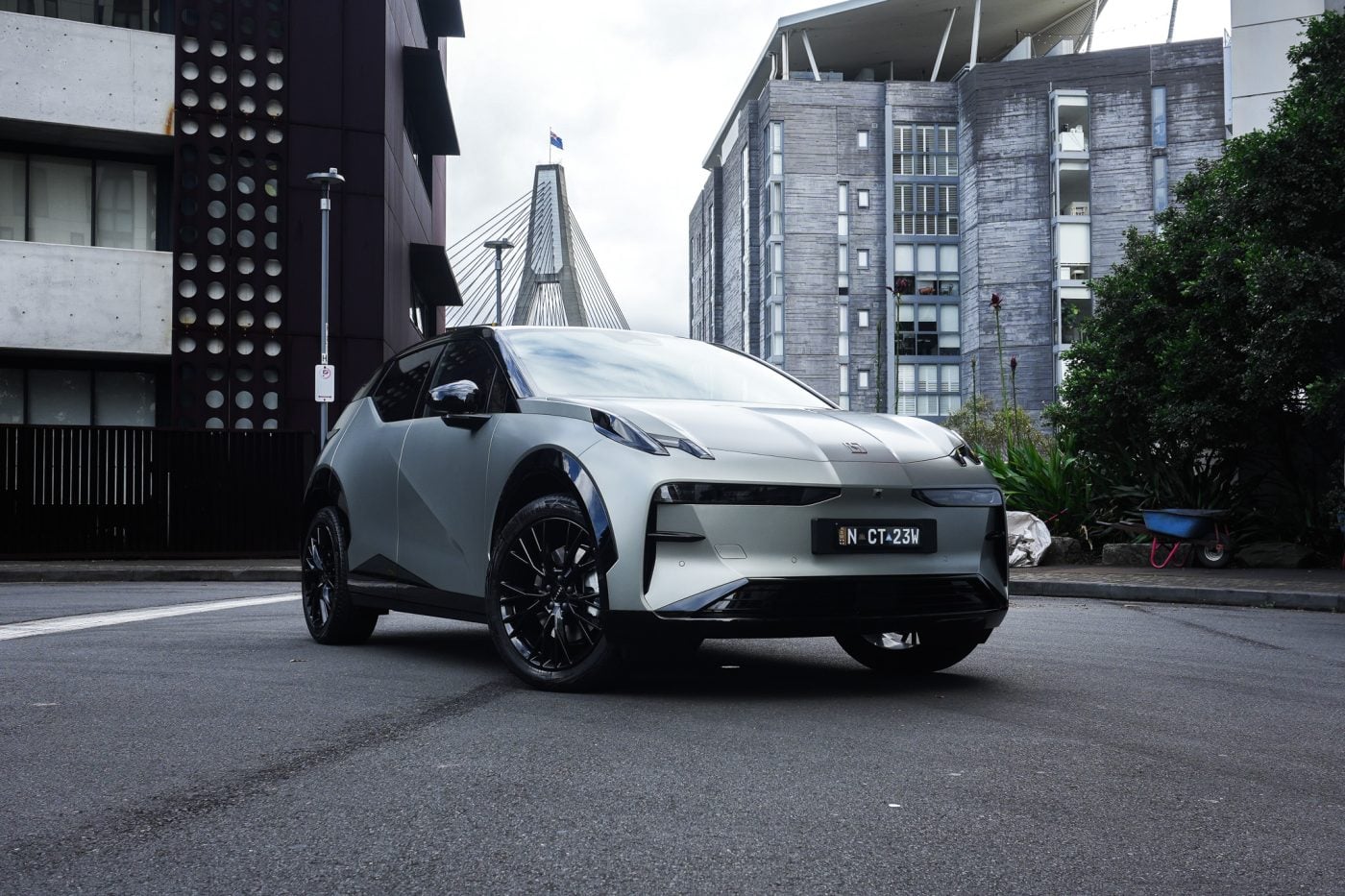
Let’s start with the colour, because it was the first thing everyone mentioned. The matte Khaki Green is new for the AWD this year, and in the right light, late afternoon, low winter sun, it reads like something twice the money.
The design does a lot of the heavy lifting, too. The side panels in particular catch the light in a way that makes the X look planted and expensive, which is not a sentence we expected to write about a sub-$60k EV.
It’s a small SUV and it doesn’t pretend otherwise, but the proportions are right and the detailing is restrained.
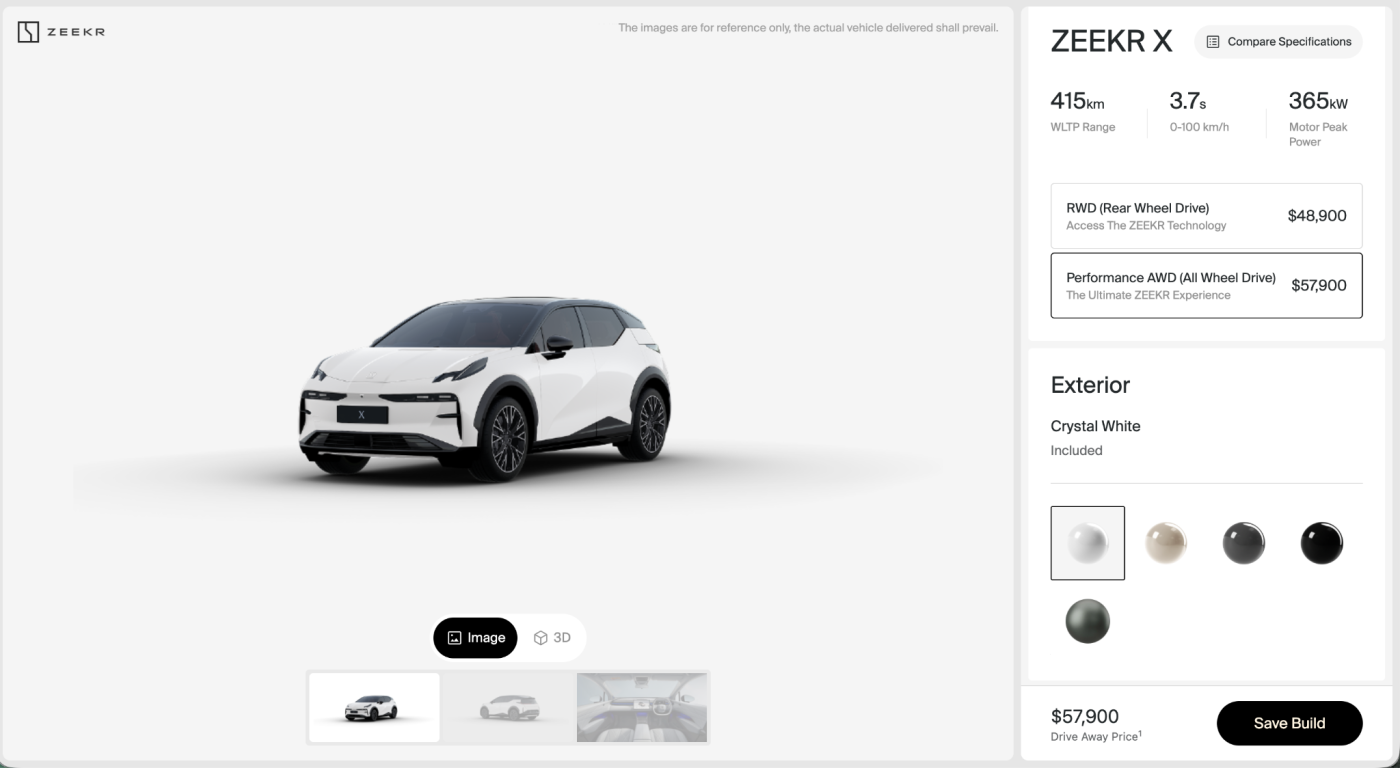
The headline number is $57,900 driveaway. The outgoing model was $62,900 plus on-road costs, so depending on your postcode you’re looking at a real-world saving north of $6,000 on a car that’s now more powerful and better equipped than the one it replaces.
Then there’s the value pack stacked on top. Zeekr is throwing in premium paint, the power-operated front doors, a 7kW home charger and a couple of extra years of warranty and roadside, which the brand totals at a touch over $6,000 in added value. That offer runs until June 30, which makes it very hard to walk past before EOFY.
For context…
The AWD pairs a 115kW front motor with a 250kW rear unit for 365kW and 573Nm total. It runs a 66kWh battery, 415km of WLTP range, and 150kW DC charging. Those aren’t class-leading range figures, but in a car you’ll mostly drive between the beach and the city, they’re plenty.
The 3.7-second number is fun at a set of lights, but it’s not why this car works. It works because it’s small, the visibility is good, and at 4,432mm long it slots into kerbside gaps that would have a mid-size SUV doing a twelve-point turn.
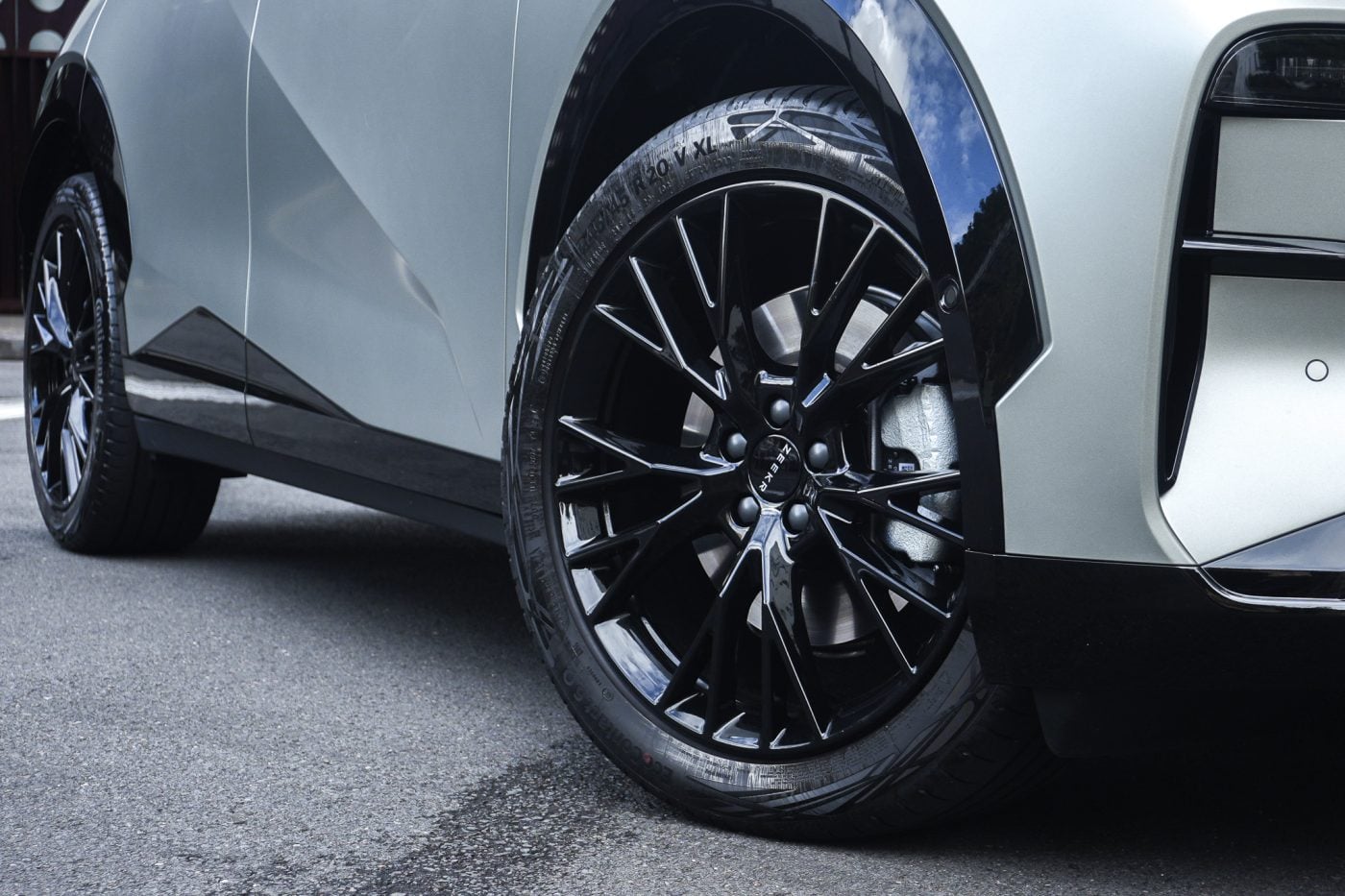
The steering is light, the ride is more settled than the previous version, and there’s enough squish in the seats that a week of stop-start traffic never became a chore.
You sit up high, you can see the corners, and the whole thing feels engineered for exactly the kind of driving most of us actually do. We used a fraction of the performance most days and never felt short-changed.
The obvious stuff is good.
A 13-speaker Yamaha sound system comes standard, and it’s a genuine step up from the tinny setups you usually get at this price. There’s an augmented-reality head-up display, touch-sensitive shortcuts on the steering wheel, and a 50-watt wireless charging pad that’s now ventilated so your phone doesn’t cook on a hot day.
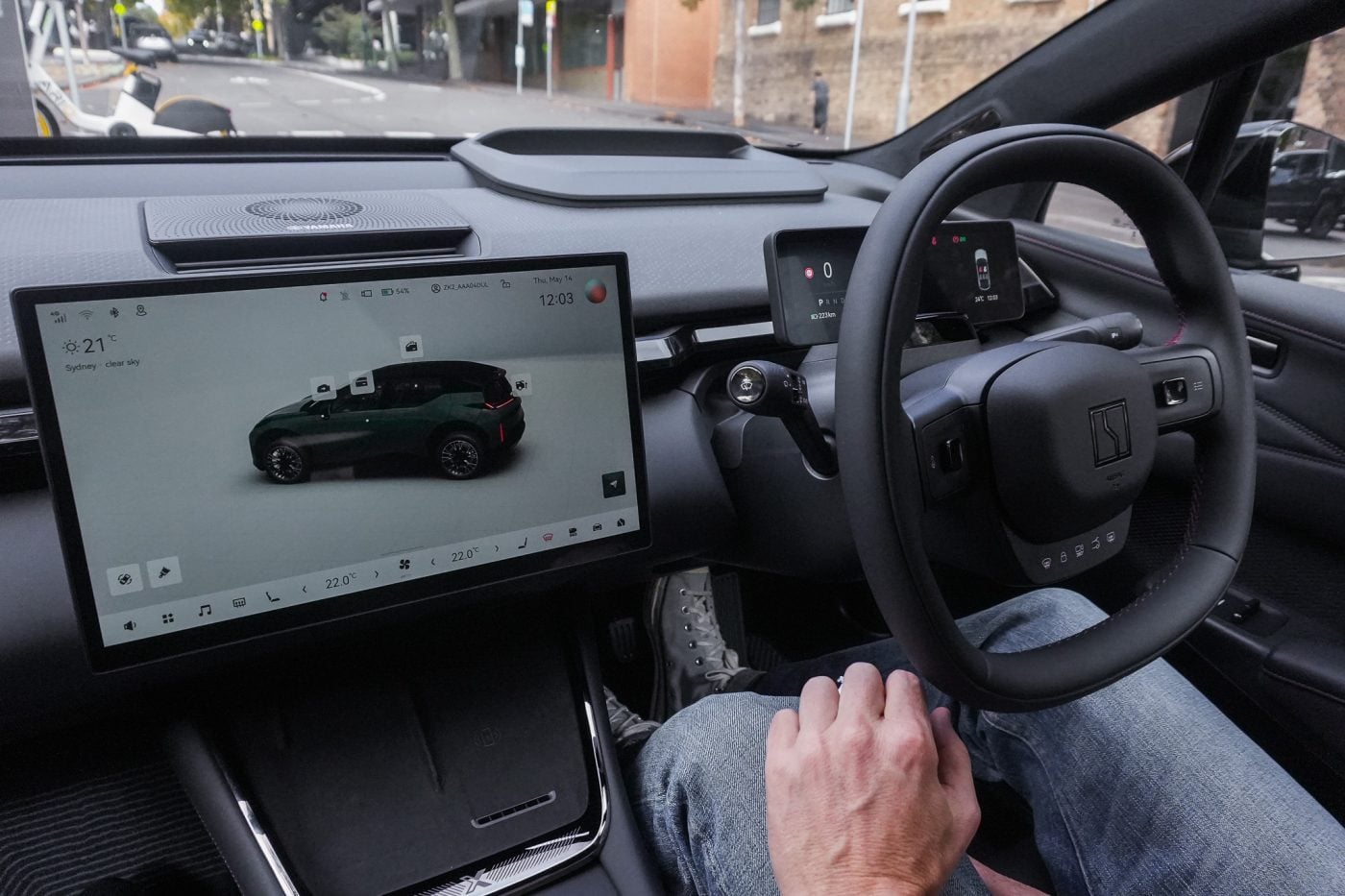
Then there’s the stuff you find by accident. There’s a fridge in the centre console, temperature-controlled, which sounds like a gimmick until it’s 30 degrees and your flat white is still cold by Rose Bay. The front seats massage, the quilted trim feels premium without shouting about it, and the boot has quietly grown to 404 litres thanks to extra under-floor storage.
This is where the value argument really lands. Half of these are things you’d pay extra for, or wouldn’t get at all, on a European car costing twice as much:
- Temperature-controlled fridge in the centre console, standard on the AWD. Keeps your drinks cold on a 35-degree day without an esky in the boot.
- Massaging front seats, the sort of thing usually reserved for a German options list north of $90k.
- 13-speaker Yamaha sound system as standard, not a $2,000 upgrade.
- Augmented-reality head-up display that puts nav arrows over the actual road ahead.
- 22kW AC charging on the AWD, double the usual home-charging rate, so an overnight top-up barely touches the sides.
- Power-operated front doors, currently thrown in as part of the run-out offer.
- Heated front and rear seats standard, so the back-seat passengers aren’t an afterthought.
- 50-watt ventilated wireless charger that actually keeps your phone cool while it fast-charges.
- A boot that’s grown from 342 to 404 litres, with proper under-floor storage for the charging cables.
- Zeekr’s AD driver-assist suite: five cameras, five radar sensors, twelve ultrasonic sensors and remote parking, all standard.
Run that list past anyone shopping for a Volvo EX30 or a base BMW iX1 and watch their face change.
The X sits on the same bones as the Volvo EX30, and it’ll be cross-shopped against the BYD Atto 3, the MG4 and the Kia EV3.
In terms of power, charging speed, and standard kit for the money, the Zeekr is ahead of all of them, and it’s pulling away from the European options that cost considerably more for less.
That’s the pattern with Zeekr at the moment. Every time they update something, the spec jumps and the price either holds or drops, and the established brands are left explaining why their version costs more.
The honest flaws are minor. The 415km range won’t suit anyone doing big regular highway runs. Hardly a dealbreaker for the inner-city buyer this car is built for.
The Zeekr X Performance AWD is quicker than a 911 Carrera, costs a fifth as much, looks superb in that khaki green, and right now comes with thousands in extras if you sign before June 30. The value is the story, and on value it’s a slam dunk.

dmarge