My Plain White T-Shirt Is More Than an Undershirt, It's My Heritage
In anticipation of the annual Vogue Summer School in New York City. Teen Vogue launched the first-ever Teen Vogue X Vogue Summer School essay contest, offering a full scholarship to one winner.
The prompt was to tell us about one item of clothing that really means something to you, whether it's about identity, family, or anything else. Out of nearly 500 entrants, and so many incredible pieces of writing, Keon Etminan's essay about a t-shirt gifted to him by his father was chosen as the winner. As Keon writes, a piece of clothing can be about so much more than just an outfit; it can speak to your whole heritage.
Read the full essay below, and congratulations, Keon!
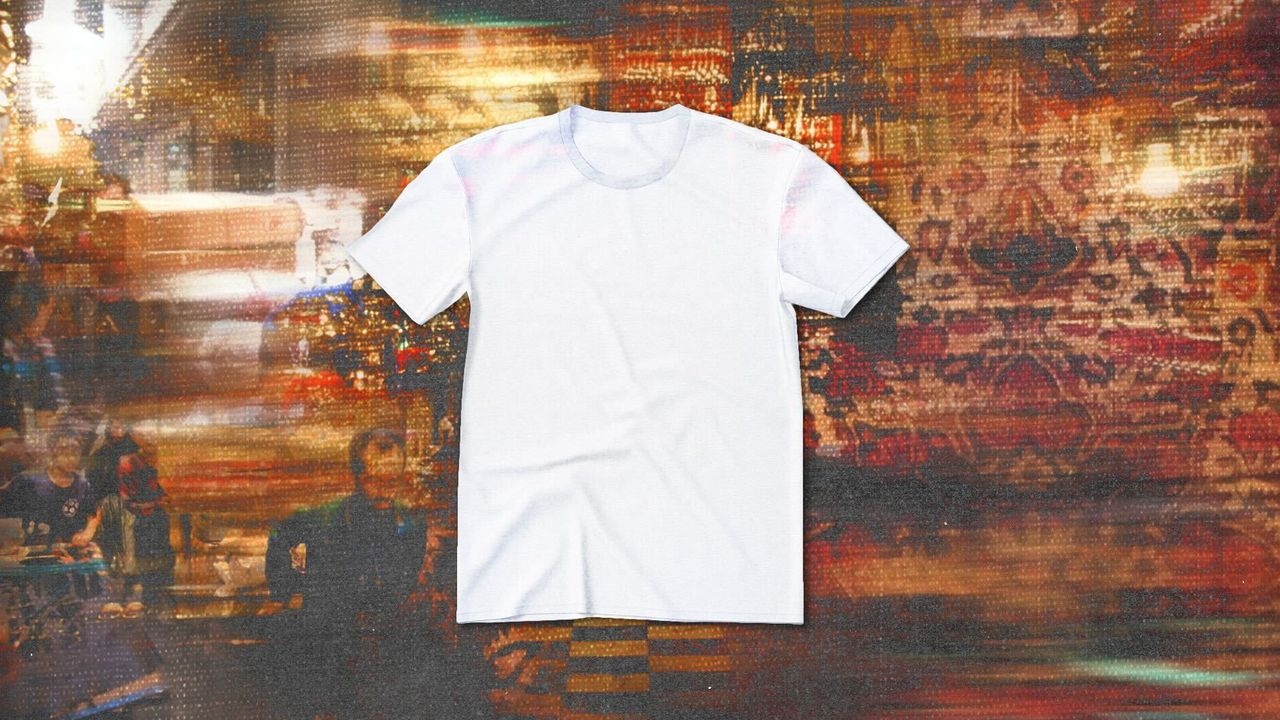
Hidden Layers by Keon EtminanThe morning I left for the United States Senate page program in Washington, DC, my father put an undershirt on my bed and said, “Wear this first.”
It was a white, crewneck, 100% cotton shirt, the kind that comes folded into hard little rectangles. Nothing about it looked important. It cost a few dollars at a Persian grocery store 40 minutes from our house. But my father set it down carefully, like he was handing me something more serious than clothing.
He has always bought the same undershirts. Before that, my grandfather bought them in Tehran’s Grand Bazaar from a vendor he knew by name. That detail has followed me my whole life: He knew the vendor by name.
I think that matters because, in my family, buying something has never been only about the thing. My father tells stories about the Bazaar the way other people talk about old family friends. When my father came to America, he found a Persian market that sold the same undershirts, and he kept buying them, year after year, from a man who had also left Iran. Then, without ever making a speech about it, my father started buying them for me. For a long time, I thought they were just undershirts. Useful. Plain. Easy to forget.
Then I went to Washington.
The Senate is full of things meant to be seen: dark suits, polished shoes, marble floors, flags, lapel pins, careful language. Everything looks intentional. Everything looks like it means something. Under my suit, though, I was wearing the same soft white cotton my grandfather wore in Tehran and my father wore in Houston. That mattered to me more than I expected.
One day, I was standing in a hallway listening to adults talk about Iran in the tidy, official language people use when world events are happening to somebody else. I was taking notes and trying to look competent, but all I could think about was how strange it is that people can sound so distant from one another while being, at the most basic level, so physically alike. Under the wool jackets and the security badges and the rhetoric, everyone is just a person trying to get through the day in a body that bruises, overheats, gets tired, wants comfort, wants home.
I thought about my aunt in Tehran, opening a drawer to find the same white cotton undershirts, my father as a boy watching his father buy them. I thought about the absurd smallness of this thing that connected all of us: not a grand idea, not a language, not even a slogan, but a simple layer of fabric between skin and the rest of the world.
Later, someone asked me what people in Iran are actually like, and I knew the kind of answer he expected. Something geopolitical. Something neat. Instead, I said my grandfather bought his undershirts from a man he knew by name, and my father found the same kind in America and never stopped buying them. I said that people are more recognizable to one another by way of ordinary habits, rather than in headlines. The room changed a little. Enough for me to feel it.

teenvogue