Formula 1 Is Bringing Space Jackets To Battle Europe’s Heatwave
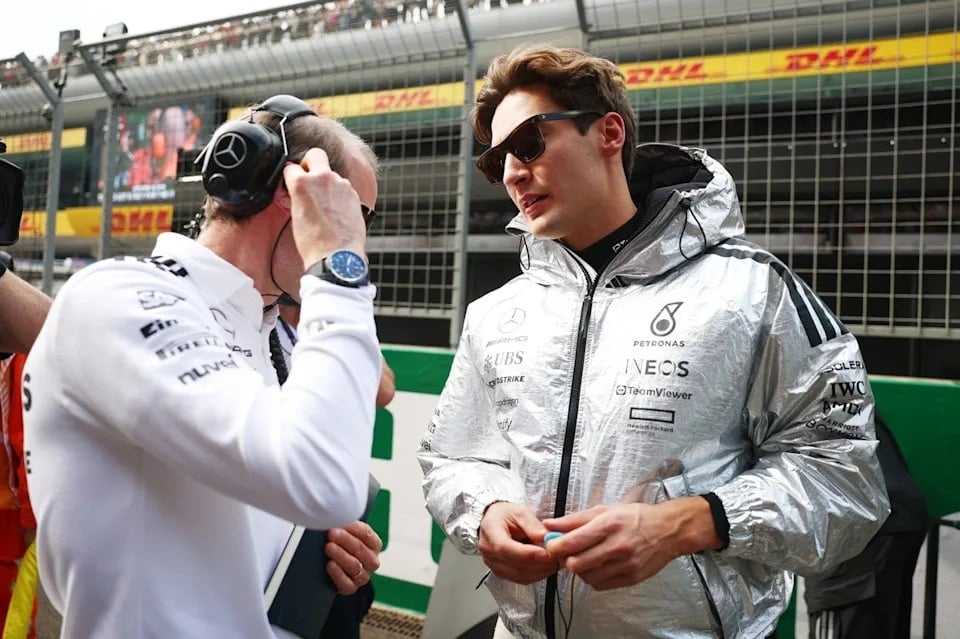
The strangest image in Formula 1 this weekend may not be a front wing upgrade or a tyre blister.
It may be a driver standing on the grid in a shiny silver cooling jacket, trying to lower his body temperature before climbing into a 300km/h sauna.
Welcome to the Austrian Grand Prix.
The FIA has declared this weekend’s race a heat-hazard event, with temperatures expected to climb above the 31 °C trigger while cars are on track. Sunday’s race at the Red Bull Ring is forecast to be punishing, and Europe around it is already struggling through a serious heatwave.
RELATED: Inside The Secret Billion-Dollar Battle Happening Off The Formula 1 Track
Britain has broken its June temperature record. Paris has pushed close to 40 °C. Museums, trains, hospitals and schools across Europe are all feeling the strain.
F1 now has to race through it.
A grand prix car does not give drivers much room to cool down.
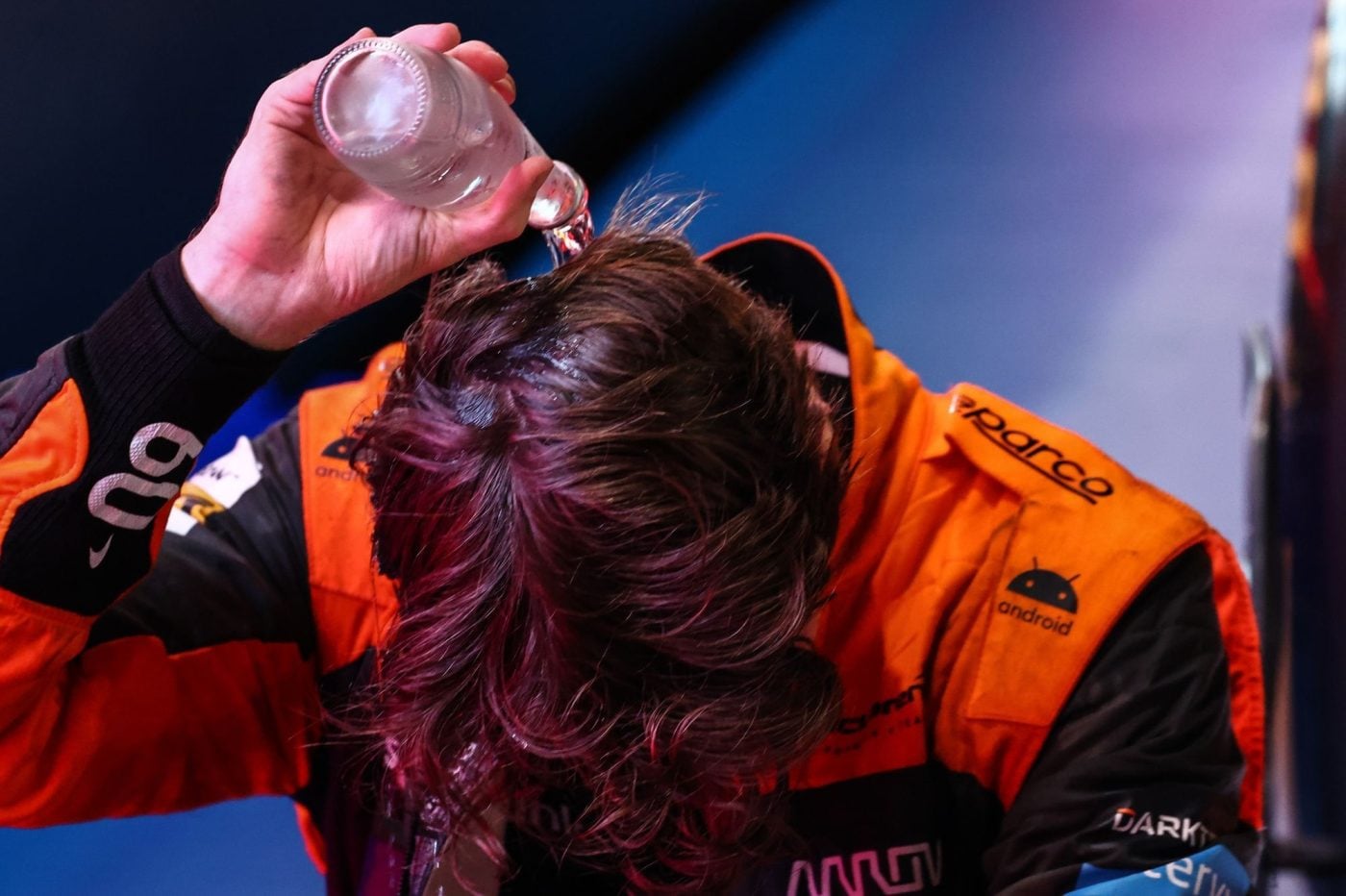
They sit in layers of fireproof clothing, a balaclava and a helmet, with cockpit temperatures able to climb beyond 40 °C. The Austrian GP is 71 laps, and unlike football, there are no hydration breaks halfway through.
Drivers can drink from a bottle inside the car, but even that has limits. Once the cockpit heats up, the drink can become warm enough to feel more like tea than water.
The FIA’s heat-hazard rule allows teams to use a driver cooling system. It sends cooled liquid through tubes in a fireproof top worn beneath the race suit. Drivers who choose not to use it must carry ballast so they do not gain a weight advantage.
Not everyone loves the idea.
RELATED: Kimi Antonelli Has Gone From Wonderkid To Formula 1’s Most Thrilling Teenager
Some drivers find the tubes uncomfortable. Others worry the system could stop helping once the coolant warms up. Red Bull’s Isack Hadjar has said he does not like having too much extra equipment in the cockpit, while Oscar Piastri has said he is likely to use the kit if it helps.
Outside the car, teams are getting creative.
Mercedes has been using silver cooling jackets developed with Adidas, quickly nicknamed “space jackets” because they look like something from a moon mission. The idea is simple enough: cool the driver’s body before the race begins, then let the in-car system and ice vests do the rest.

Elsewhere on the grid, the methods are more old-school. Ice towels on the neck. Umbrellas over cockpits. Fans. Cold drinks. Race suits left open until the final possible moment.
The cars will suffer too.
RELATED: Max Verstappen Looks Happier In The Green Hell Than Formula 1
The Red Bull Ring already sits around 700m above sea level, where thinner air makes engines work harder. Add extreme heat and teams have to think carefully about cooling, reliability and tyre wear. Hot track surfaces can chew through tyres quickly, turning strategy into another survival test.
Austria used to be one of F1’s classic European summer stops. This year, it feels like a warning.
Extreme heat is no longer only a Singapore or Qatar problem.
It has reached the heart of the European calendar, and F1 is turning up with silver jackets, cooling tubes and a very modern question.
How fast can you go when staying cool becomes part of the race?

dmarge