Why I believe women should no longer ignore a link between the Pill and cancer - a stark warning from Britain's most controversial hormone doctor. So is she right, just how concerned should you be and what does the science say?
By LOUISE CARPENTER
Published: | Updated:
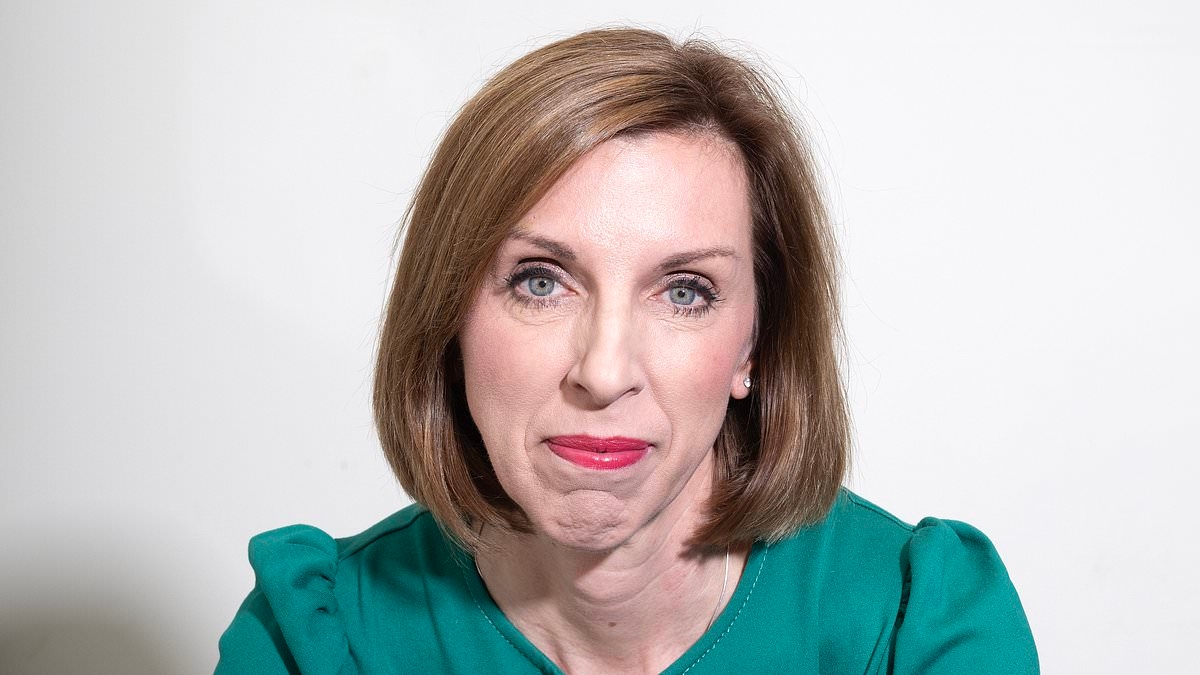
Dr Louise Newson, Britain's most controversial hormone doctor, is smiling today, relaxed and almost unrecognisable from the pale, grim-faced woman she appeared 18 months ago.
At that point a BBC Panorama investigation – backed by 'medical consensus' in the form of the British Menopause Society – questioned the professionalism of her privately run HRT clinics, Newson Health, and in particular their allegedly cavalier approach to prescribing often higher-than-recommended dosages.
It caused a wave of panic among her patients and Dr Newson, 55, was forced to lay off 27 of the 70 doctors she employed. For her, it was professionally devastating: a university professorship was withdrawn, media appearances were cancelled and an investigation was launched by the Care Quality Commission (CQC).
Earlier this year, however, Dr Newson was finally vindicated.
The CQC concluded that her clinic 'is performing exceptionally well' and rated it 'Outstanding', its services safe, effective and well led. All General Medical Council complaints against her were closed.
For Dr Newson, it was a battle won, confirmation of her long-held belief that body-identical forms of HRT, which are made from plant compounds and are chemically identical to those we produce naturally, should be given as a matter of routine to all menopausal women who ask for it.
With her batteries now fully recharged, you might expect her to sit back and enjoy the calm. But no, instead she is back with a book, The Power Of Hormones, which opens a brand new front against the medical establishment. And this time, paradoxically, her target is the unquestioning dishing out of hormonal treatment in the shape of the contraceptive pill.
She does not mince her words. Women take the Pill 'without giving a second's thought to how this hormone treatment is impacting on their current and future health', she writes.
Dr Louise Newson, Britain's most controversial hormone doctor, is smiling today, relaxed and almost unrecognisable from the pale, grim-faced woman she appeared 18 months ago
In a hard-hitting description of the Pill's history, she calls its prescription to millions after a clinical trial involving just 132 women in the early 1960s a 'scientific scandal'.
Its use represents a long-running 'human experiment', she asserts.
She describes in her book an 'increasing mountain of evidence that, while the Pill is incredibly effective at preventing ovulation, it is also potentially enormously damaging', listing its increased risk of heart attack, raised cholesterol, Crohn's disease and blood clots among other serious side-effects.
Most of these side-effects are acknowledged either by the NHS or charities linked to those particular illnesses such as Crohn's UK. But it is on the links with cancer that her warnings become especially disturbing.
In its current NHS-prescribed form – which almost always comprises synthetic, lab-made hormones as opposed to the body-identical versions Dr Newson claims are safe – the Pill has been associated with 'an increased risk of breast cancer by around 25 per cent', she says. Indeed, a 2023 Oxford University study found hormonal contraception, including the Pill and the coil, increased the risk of breast cancer by around a quarter.
'As far back as the 1940s, researchers found that ethinylestradiol [the form of synthetic oestrogen in the Pill] can speed up the progress of an existing cancer,' she says, citing an eminent cancer researcher who predicted in 1970 that we would see an increase in cancer incidence among women in the following decades. As we did.
Could the Pill even be responsible for the startling difference we see now between rates of cancer in young men and young women?
'Women under 50,' she writes, 'have an 82 per cent higher cancer rate than men in the same age group, up from 51 per cent in 2002. It is not possible to state that this is directly related to hormonal contraceptive use in women, but we cannot continue to ignore the risk of cancer in women who take it.'
That's a lot to digest for a medication that has in many respects revolutionised women's lives.
When I meet her via Zoom, Dr Newson says of herself 'I'm not a natural disrupter, I just want to educate', and certainly doesn't seem like the egomaniac I'd feared from the negative coverage in the BBC Panorama programme.
A qualified GP, she is still riding high on a wave of celebrity support including high-profile women such as Davina McCall, Mariella Frostrup and Dawn French. The gloves, however, are very firmly off again.
'There are studies to suggest that women who are on the contraceptive [pill] have a higher incidence of suicide and depression, especially in the adolescent brain which is developing and changing,' she says. 'Sometimes girls of 12 are put on the Pill for their skin, as if there was nothing else available for them. The risks are low, but there is so much uncertainty about it.
'One doctor told me that pharmaceutical companies are paying influencers to promote the Pill to young girls on social media. That is a dangerous game. I'm not saying women shouldn't take it, but I think we need to know more about it and women should know the alternatives. It is something that is mass prescribed.'
And here we encounter the problem Dr Newson has often both highlighted and fallen foul of – a lack of accessible, inarguable evidence regarding the harmfulness or otherwise of hormone treatments.
The World Health Organisation, for example, calls the combined oral contraceptive pill a 'grade one carcinogen'. But Cancer Research UK says it may have a long-term protective effect against ovarian and possibly colorectal cancer that outweighs the elevated risk of breast and cervical cancer. Still Dr Newson wants us to be wary.
In her book she writes of witnessing a tragedy at medical school when the girlfriend of one of her friends, completely fit and well, died suddenly outside their house from a clot in her lungs: 'We were told that her clot and death were directly related to her taking the contraceptive pill. Her death could have been avoided.'
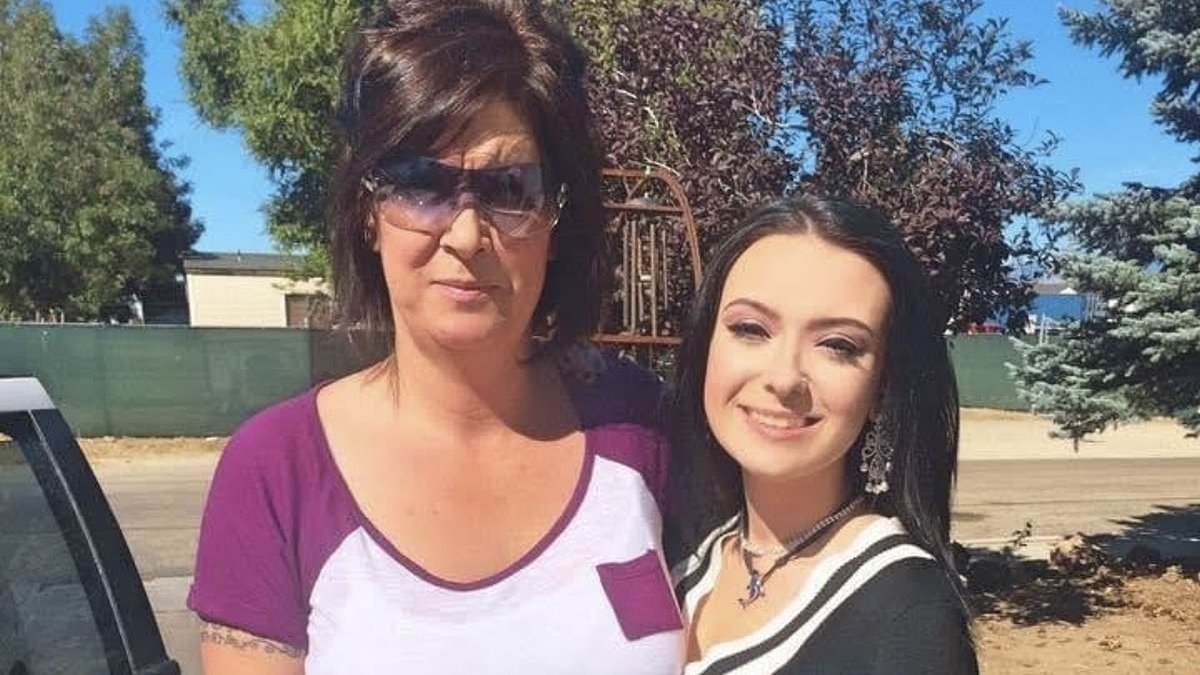
Today, she tells me how, following a similar recent case in the news of a 19-year-old dying from a clot, she approached the girl's mother and aunt: 'It was so sad. Her mother thought she was being a responsible parent thinking about contraception with her daughter. Risks weren't mentioned. The mother doesn't know if the daughter would have gone ahead, but it's the not knowing [given the tragedy].
'The risks are small, but we have to know them. I want that knowledge for my own daughters, and I want that knowledge for me, as a doctor.'
Married to a senior surgeon and consultant, she has three girls – Jess, 23, Sophie, 21 and Lucy, 15 – who have all spoken openly on her podcast about their use of body-identical hormones.
Dr Newson is clear that she does not want young women to go without contraception, but instead to look at other, potentially safer methods, or at least make an informed choice.
'My middle daughter is on the contraceptive pill Zoely, which has the body-identical estradiol, with [additional] natural progesterone and some testosterone too as her levels are very low,' she says.
'Zoely is the only version of the combined contraceptive pill that contains natural oestrogen, though it still contains a synthetic progestogen. But since it costs more than the all-synthetic brands [around £35 for 84 tablets at independent pharmacies], it's prescribed far less often and is harder to get. My youngest daughter is on natural progesterone around her menstruation time to reduce the pain and heaviness of her periods,' she adds.
Her eldest daughter has the Mirena coil fitted, which does use synthetic hormones, and takes additional oestradiol and body-identical testosterone. Dr Newson outlines the Mirena risks in the book – 'the commonest side-effects are those affecting mental health' – but repeats it's all, in the end, about a woman's choice.
Dr Newson is clear that she does not want young women to go without contraception, but instead to look at other, potentially safer methods
If Dr Newson is ready to ruffle feathers with her take on the Pill, easy access to natural hormone replacement for older women will always be her chief goal.
Only 14 per cent of menopausal women in the UK are prescribed hormone therapy of any kind, she says, and tells me about a notebook she had been compiling since 2016 with tales of women who have been refused it, sent away and told they are either making up their symptoms or just have to grin and bear them.
'Women's health can and should be revolutionised by the prescription of natural hormones,' she says. 'I want people to realise taking hormones is not about having nice skin or hair.
'Estradiol [the natural form of oestrogen] helps growth, metabolism, mood, motivation, energy, the correct functioning of organs including the heart, the brain, liver, lungs, skin and bone.
'Progesterone helps the brain, improves mood and memory, eases anxiety and promotes sleep. It helps muscles and bones and regulates blood sugar levels. Testosterone helps prevent anxiety, hot flushes, depression, fatigue, bone loss, joint pains . . .'
Is it safe to take hormonal contraceptive pill?
There are two kinds. The combined hormonal contraceptive pill contains oestrogen and progesterone, whereas the progesterone-only pill (sometimes called the mini pill) contains only progesterone.
Both are very safe for most women – certainly safer than a pregnancy – but they have slightly different safety profiles. For this reason, there are some women who would be advised against taking one or other of these contraceptive pills.
What side-effects should women be aware of?
For the combined hormonal contraceptive pill, the most important side-effect to be aware of is a small increased risk of getting a blood clot. If you are in your 30s, it increases the risk from 0.1 per cent over a decade to about 0.3 per cent.
This is still less than the increased risk of clotting were you to become pregnant.
This increased risk is the reason that you may be advised against taking the combined pill if you are already at higher risk of blood clots, for example if you are obese or have high blood pressure.
The progesterone-only pill increases the chance that you will develop ovarian cysts. These are not dangerous, although they can cause pain, and usually disappear without treatment.
Does the pill increase risk of breast cancer?
In the general population, there is a small increased risk of breast cancer associated with taking the combined hormonal contraceptive pill.
However, summaries of the evidence suggest that it does not increase the risk of breast cancer in most people, only in those with a mutation in a gene called BRCA1/2. (Angelina Jolie had her breasts removed because she has this mutation.)
Women with a BRCA1/2 mutation ordinarily have a 65-89 per cent risk of getting breast cancer, but taking the combined hormonal contraceptive pill increases this to 90-100 per cent. For this reason, the combined pill is not recommended for women who have a family history of breast cancer, or those who have previously had breast cancer.
Recently, a study of nearly 28,000 people was also able to detect a similar, small increased risk in breast cancer in women taking the progesterone-only pill. This mainly affected older users.
Both combined hormonal and progesterone-only pills are associated with a decreased risk of cancers of the ovary and the lining of the uterus, so women should balance this against the increased risk of breast cancer.
Is there higher incidence of suicide and depression?
Most studies have not looked at combined hormonal contraception and progesterone-only contraception separately, and among these studies the evidence is quite mixed.
Some find no increased risk of mental health problems.
Those that do find an association of approximately one extra case of depression in every 200 women taking the Pill, compared to those not taking the Pill.
So it’s not clear if this is a real increase in risk, but if it is, it would seem to be small.
Dr Victoria Male
Dr Male is associate professor in reproductive immunology at Imperial College London.
Women aged 50 and above, she explains, now take 'significantly more prescription drugs in both the US and the UK than they did 50 years ago'. Yet some of symptoms they take them for might well go away with hormone treatment, including depression and fibromyalgia. But what of the cancer risk of HRT? If we should worry about the Pill, should we not worry about that, too?
Newson dismisses as obsolete the much-discussed Women's Health Initiative study, which reported a link between HRT and breast cancer in 2002 and created a panic, since it only tested the use of synthetic hormones.
'There have been no gold-standard trials linking natural hormones to cancer,' she maintains.
Research is still ongoing, however, and medical opinion remains divided. Dr Newson insists many GPs do not understand the difference between synthetic and body- identical hormones, and aren't equipped to explain the risks to their female patients.
'I find it really hard with my knowledge of how cancer forms to believe that natural hormones will increase that cancer risk,' she says. 'Natural hormones fit the relevant receptors perfectly, leading to so many beneficial effects, including lowering the risks of dementia, autoimmune diseases, kidney disease and depression.'
This brings her back to the fall-out from Panorama: 'I'm worried about the way that programme has harmed so many women. We get letters from women [who need hormonal help] all the time and their GPs won't prescribe after seeing [Panorama]. I worry about why people go into medicine. I actually feel quite embarrassed being a doctor sometimes. It's like we're living in the Victorian age. My emotions on all this are still quite close to the surface.'
It is the only time Dr Newson's voice wobbles. Tears, even now, are not far away. The programme set her work back months. Before she was vindicated, the Executive Complaints Unit (ECU), the BBC's internal body responsible for investigating complaints relating to editorial standards, did not uphold her legal team's complaint. It took almost another year for the CQC seal of approval to come.
'I've demanded an apology from the BBC,' she says, 'and I've been to Ofcom, but they've said the case is now closed. Bear in mind this is the same team that spliced the Donald Trump material together from his speech that led to the BBC having to apologise to him. But I'm not waiting for that. I have to move the conversation on.'
She learned resilience as a child. Her father died of a brain tumour when she was nine, leaving her mother alone to bring up three young children: 'I had to learn that I couldn't depend on people. You have to try to find something positive out of it, otherwise you go under.'
She got herself to private school on a scholarship and trained to be a doctor, at first an unquestioning medic in a profession she now sees still suffers from being built on the foundations of misogyny and hierarchy. Indeed, a sobering chapter in the book lists all the ways in which the medical profession has failed her own family.
'I had no intention of writing it. I was watching my daughter on a sailing day, with my laptop, and it just all came out. By the end, I was in floods of tears.'
Her mother had a coil fitted without her consent; her grandmother's bowel cancer was missed so that it spread to her liver – she'd been told she had irritable bowel syndrome, then 'gallbladder problems'. She died shortly after it was eventually discovered.
Dr Newson's daughter Sophie, then aged 12 and in agony with hip pain, was told to go home from hospital but the following day fell gravely ill with sepsis from a severe infection. 'My husband still cries when he thinks about that,' she says.
Dr Newson herself had a diseased gallbladder but was told 'I needed antidepressants'.
A surgeon performed the wrong operation on her daughter Lucy, then aged five, missing a hernia. Jess, her eldest and a sufferer of such chronic migraines she thought about taking her own life, was told 'to just accept a different quality of life'. She is now improving under a consultant found by Dr Newson. 'If all this can happen to one "average" family, I suspect others when asked would have their own stories of misdiagnosis, poor communication and medical gaslighting.'
She shakes her head in despair: 'Because my husband and I are doctors, we know who the good doctors are, but what about everybody else who isn't a doctor?'
It's in that feminist spirit that she sees her role as evangelist for HRT. I wonder whether she thinks, to best protect their health, every menopausal woman should take bioidentical HRT? And once prescribed it, should they always take it, well into their 80s, for example?
'I'm not saying it should immediately be the case that women are "opted in" to HRT as standard – it's more about having very easy access to it. HRT is licensed to prevent osteoporosis which affects one in two women.
'Doctors are encouraged to prescribe statins for cardiovascular disease but that is not nearly as common as osteoporosis. I say to my patients, "There isn't any reason to stop taking HRT. You wouldn't suddenly stop taking your insulin [for diabetes], would you?" Women deserve access to treatment.'
She is on it herself, of course. 'I'm on a lower dose of HRT now [formerly she was on 300mcg, up from the standard 100mcg] because I've switched from gel to cream and I absorb it better now.
'It's about choice. Every woman is different and medicine is an art as well as a science. Not all women conform to guidelines and women deserve not to be treated the same.'
Dr Newson's refusal to follow HRT orthodoxy has long hit a raw nerve in the medical establishment, but today you get the feeling she is ready to take them on again. If she experiences the same pushback for her views on the Pill, I wouldn't bet on her backing down.

Daily Mail