Millions of healthy people 'should be treated with statins to slash chance of heart attacks later in life'
Published: | Updated:
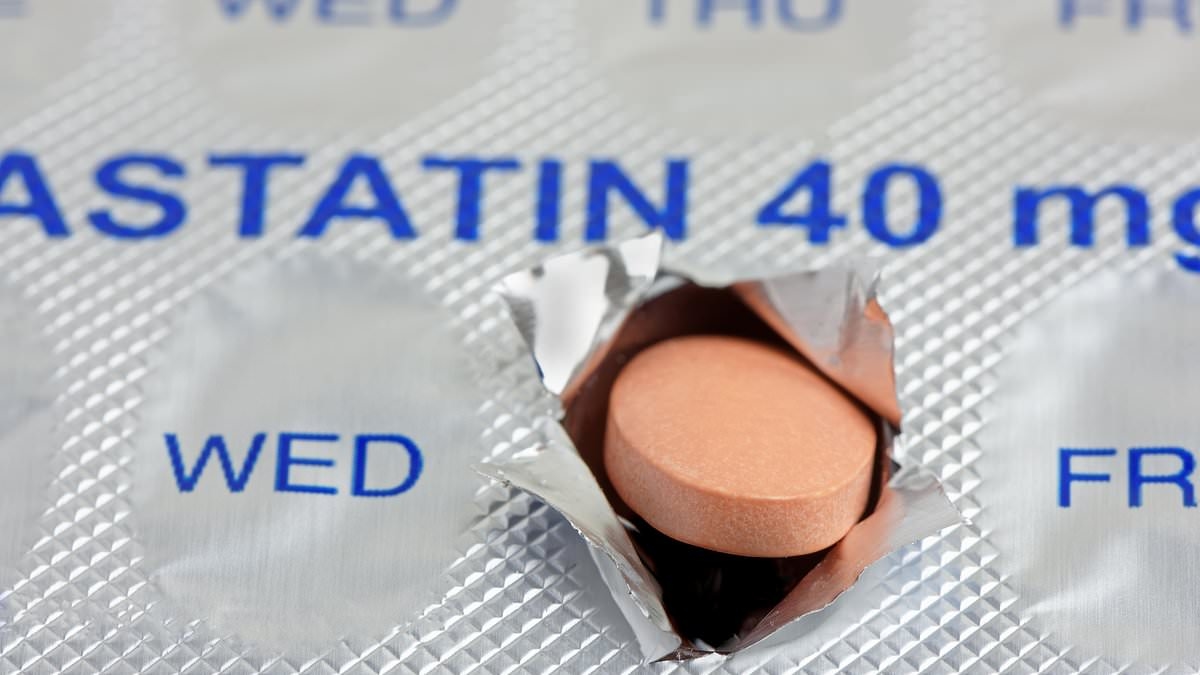
Millions of healthy people should be treated with low-dose statins, research has suggested.
A study by Imperial College London found that using the drugs earlier can slash the risk of suffering heart issues later on.
Cholesterol is mainly made up of LDL – low-density lipoprotein, or 'bad' cholesterol, which increases the risk of heart disease and strokes – and HDL – high-density lipoprotein, or 'good' cholesterol, which flushes out excess cholesterol from blood.
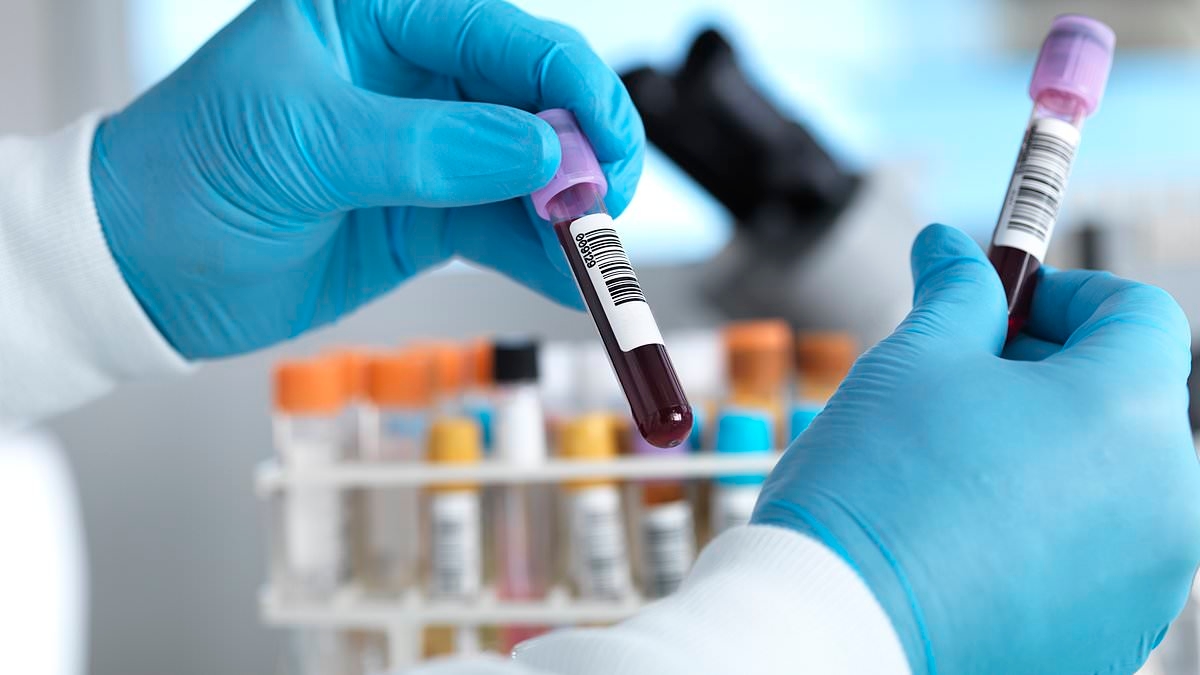
Data from 17 clinical trials, involving 100,000-plus people, was analysed to assess how the danger of heart attacks and stroke varied between those treated with cholesterol-busting statins early and those treated later.
The researchers found that just a small reduction in LDL in those already deemed at low risk of suffering such an event in the next decade cut their risk of problems by 25 per cent.
Dr Irene Karungi, from the School of Public Health at ICL, said: 'Our analysis shows the benefit of reducing LDL in people who are at low risk is much greater than waiting until they might become high risk. Once disease is established, treatment has to be much more intensive.'
Current guidance means many NHS patients get statins only when they begin to have health problems from high cholesterol. However, specialists claim this research shows the rules should be changed to allow people to be prescribed the drug much earlier.
'You would need a smaller dose of statins to get the same effect,' added Dr Karungi.
Millions of healthy people should be treated with low-dose statins, research has suggested
Researchers said the findings – presented at the European Atherosclerosis Society Congress in Athens in Greece – could help to reduce the growing number of people expected to be diagnosed with heart disease in years ahead.
More than seven million people in the UK take medications to help lower their cholesterol. The number expected to be diagnosed with cardiovascular disease is set to reach 10 million by 2040.
Study author Professor Kausik Ray, a public health expert, said: 'It's like a pension scheme – the earlier you start, the bigger the long-term benefits.'

Daily Mail