
Can non-resident foreigners get an organ transplant in Spain?
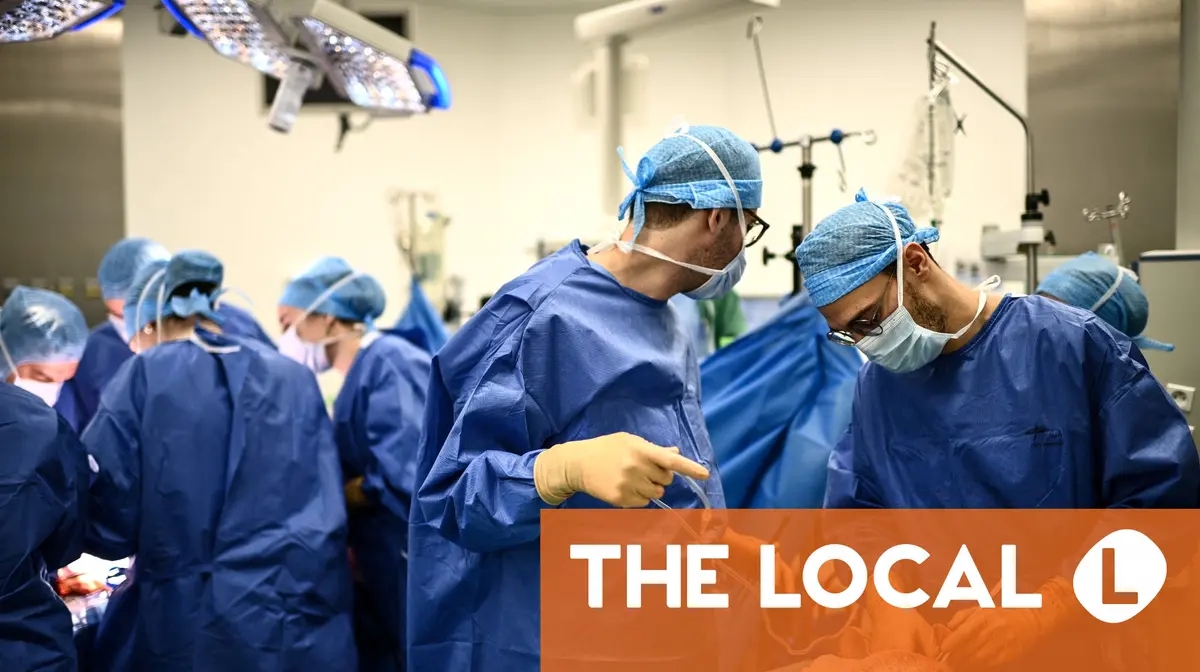
So-called 'transplant tourism' is particularly common in Spain due to the country's shorter waiting times for a transplant and the high number of organ donations. But is this practice actually legal?
Spain is a global leader in organ donation, largely because everyone is automatically an organ donor when they die unless they choose the opt-out system.
In 2024, Spain’s Health Ministry recorded its highest level of organ donation ever, and although the number decreased by two percent in 2025, Spain still has the highest rate on the planet.
Typically, less than 10 percent of those who need a transplant receive one in most countries in the world. By contrast, in Spain more than 90 percent of patients receive a transplant in time.
The main reason behind theses success rates and staggering numbers is that by law in Spain everyone is automatically an organ donor unless they specifically opt out and choose not to be in writing.
The big question, however is, is transplant tourism legal - can non-residents benefit from Spain’s successful system?
For years foreigners would travel to Spain to try and join the waiting list and benefit from this pioneering system, but there simply weren’t enough organs available for people in Spain, as well as foreigners, so in 2018 a minimum residency requirement of two years in Spain was legally established.
Since then, many transplant tourists have tried to trick the system and pretend they are residents here in order to get on the waiting lists by buying property, setting up fake businesses here, falsifying employment contracts and more.
Often these people were from other EU nations, given that the bloc's freedom of movement allowed for them to claim more easily that they lived in Spain.
The situation has caused a considerable headache for the Spanish health system, with simply not enough organs to go around.
"Despite our high donation rates, we will never be able to meet the entire demand. Between 6 and 10 percent of patients on the waiting list for heart, liver, or lung transplants die each year without receiving the life-saving organ. Every transplant to someone from abroad means that someone on our waiting list (a resident in Spain) will die or remain on dialysis," Dr. Rafael Matesanz explained to Spanish news site El Confidencial.
READ ALSO - Q&A: Who gets access to Spain's public healthcare under new rules?
In March of this year, new Royal Decree 180/2026 was published, which recognised that foreign nationals in Spain who do not have legal residence had the right to health protection and public healthcare.
It was mainly supposed to be aimed at undocumented migrants, but since it simple stated "foreign nationals with no legal residence", there was much confusion as to whether tourists could benefit from the healthcare system too.
It also caused confusion among healthcare professionals regarding non-resident foreign nationals' access to the transplant waiting list, as well as care and treatment after the transplant.
As a result, the Spanish Society of Neurology (SEN) and the National Transplant Organisation (ONT) recently conducted a legal inquiry to clarify the scope of this healthcare coverage and assess whether it represents a change from the previous rules established in 2018.
Both entities concluded that, until further regulations are developed, individuals will only be able to access the transplant waiting list after proving two years of legal residency in Spain (as is currently the case).
READ ALSO - S1: How Brits can avoid private health cover for Spain's non-lucrative visa
Once foreigners are included on the list, they will do so under the same conditions as any other Spanish patient, at the expense of public funds, provided they meet all other established requirements.
All this means is that transplant tourism is effectively banned in Spain. You can’t just come here on holiday in order to get onto the waiting list, you must establish residency.
This means getting an appropriate visa and meeting the requirements or if you’re from an EU country – registering properly and getting the EU green residency certificate.
If you are working in Spain or are self-employed you will be paying into social security and therefore contributing towards the healthcare system and be able to access it. There are some caveats to this which you can read about in our article here.
As stated above though, you will have to wait two years after receiving your resident card before you can join the transplant list.
To be clear, Spanish nationality is not, and never has been required to receive a transplant here. You can be a foreign national and receive a transplant here, but only if you're a legal resident as previously mentioned.
Please sign up or log in to continue reading

thelocal