

Lockheed Martin Increases HIMARS Systems Production Rate
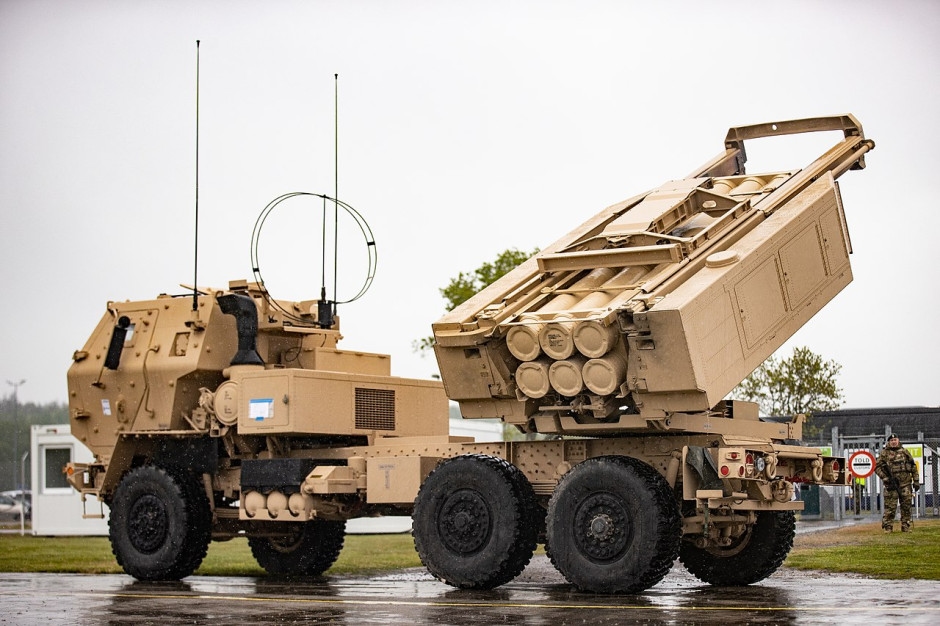
- HIMARS ushered in a new era of mobile, long-range precision fire support.
- Lockheed Martin has increased annual production of HIMARS launchers from 48 to 96.
- The first HIMARS systems arrived in Poland in May 2023, we already have 18 M142 HIMARS combat launchers and 2 training launchers.
The U.S. Army introduced the HIMARS system in 2005, ushering in a new era of mobile, long-range fire support—precise, effective, and minimally manned. The launcher now forms a pillar of the long-range precision fires strategy and is evolving toward integrating next-generation munitions.
" HIMARS embodies everything modern fire systems demand – reliability, precision, and durability. It's a testament to how much American industry can achieve when innovations are developed in response to the real needs of the U.S. Army," said Carolyn Orzechowski, vice president of Lockheed Martin Precision Fires Launchers and Missiles.
The Army's modernization plan places long-range, precision artillery at the forefront of its priorities for combat readiness and maintaining a competitive advantage. To keep pace with these dynamic changes, Lockheed Martin has expanded production capacity, accelerated schedules, and implemented advanced manufacturing technologies that improve production speed, scale, and efficiency.
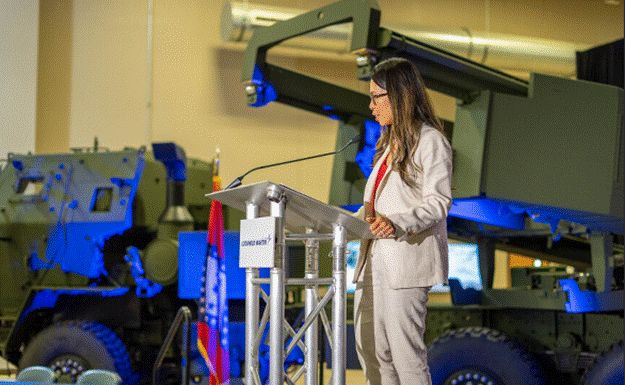
"We are aligning our operations with the Army's needs to build faster, integrate smarter, and maintain combat readiness by scaling up production, strengthening the supply chain, and maintaining the highest quality standards," added Carolyn Orzechowski.
Building at a fast pace and on a large scaleLast fall, the Camden facility increased annual production of HIMARS launchers from 48 to 96, achieving this goal two months ahead of schedule. This production expansion is supported by $2.9 billion in U.S. Army contracts that funded new tools, additional work stations, and supply chain improvements. This meticulous approach allows for continuous innovation while delivering critical systems to soldiers faster and more efficiently.
Recent contracts and targeted investments provide the program with predictable demand, allowing the Camden facility to increase capacity while maintaining high quality. Collaboration with the U.S. government and industry partners has strengthened the supply chain, enabling the delivery of more launchers to warfighters and allies faster than ever before.
"Speed matters—not just on the battlefield, but also on the production floor. By streamlining processes and empowering our employees, we deliver combat capabilities to those who need them most," said Adam Bailey, Plant Director at Lockheed Martin Camden.
As the Army prepares to operate in an integrated manner across all domains, HIMARS continues to evolve, gaining new capabilities to fire next-generation munitions, such as the Precision Strike Missile and the extended-range GMLRS, fully integrated into the networked fire architecture. The system's modular design allows the Army to introduce new weapons without having to replace proven equipment.
American manufacturing with global significance"HIMARS was designed to move, shoot, and survive—and to evolve. We are working closely with the Army to ensure the system keeps pace with emerging threats in the coming decade and beyond," Orzechowski said.
The Camden facility's workforce—generations of skilled machinists, assemblers, and engineers—transforms raw materials into launchers that protect soldiers worldwide. Their craftsmanship is evident throughout the nation's supply chain, spanning from small companies producing precision components to major electronics suppliers.
"Every bolt, wire, and weld connects our workers here in the United States with our soldiers and allies abroad," Bailey said. "What we create in Arkansas makes a difference around the world."
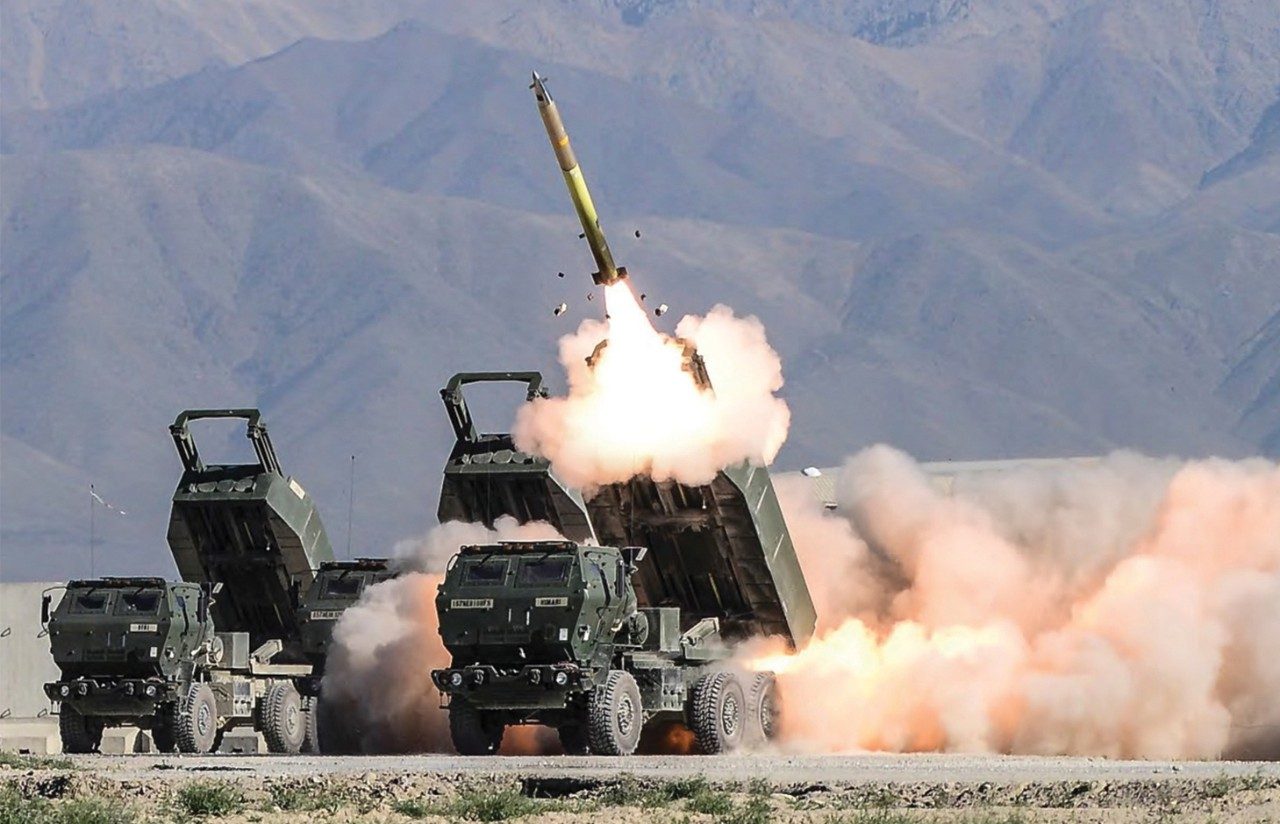
Currently, the HIMARS system is used by 14 partner nations, enhancing interoperability and deterrence in Europe and the Indo-Pacific region. The same production line that equips US brigades strengthens international stability through proven partnerships.
As the Army continues its modernization journey, HIMARS will remain a symbol of innovation, industrial strength, and allied unity. From the factory floor to the battlefield, the system aligns the efforts of those who create it with the mission of maintaining global stability.
Poland already has HIMARS systems and plans to significantly increase themThe first HIMARS systems were delivered to Poland in May 2023 under the 2019 agreement. Poland then received 18 M142 HIMARS combat launchers and 2 training launchers along with ammunition and technical support.
In September 2023, Poland signed a framework agreement for the purchase of 486 HIMARS launchers , which are to be used by 27 rocket artillery squadrons under the Homar-A program. Deliveries under the new agreement are scheduled to begin in late 2025, and the launchers will be mounted on Polish Jelcz chassis , which is consistent with the system's Polonization strategy.
The contract includes a logistics and training package for system operation, technical support from Lockheed Martin, and supplies of GMLRS and ATACMS missile munitions, as well as training ammunition. Additionally, we will acquire command and support vehicles.
The total cost of the purchase is approximately PLN 40 billion, which has sparked discussions about the possibility of limiting the number of ordered launchers.

wnp.pl


