iPhone Air 2 could be delayed until spring 2027
Apple has scaled back production of its ultra-thin iPhone and put plans for a second-generation model due in fall 2026 on hold, a new report says, as it reconsiders the line's role in the future of the iPhone lineup.
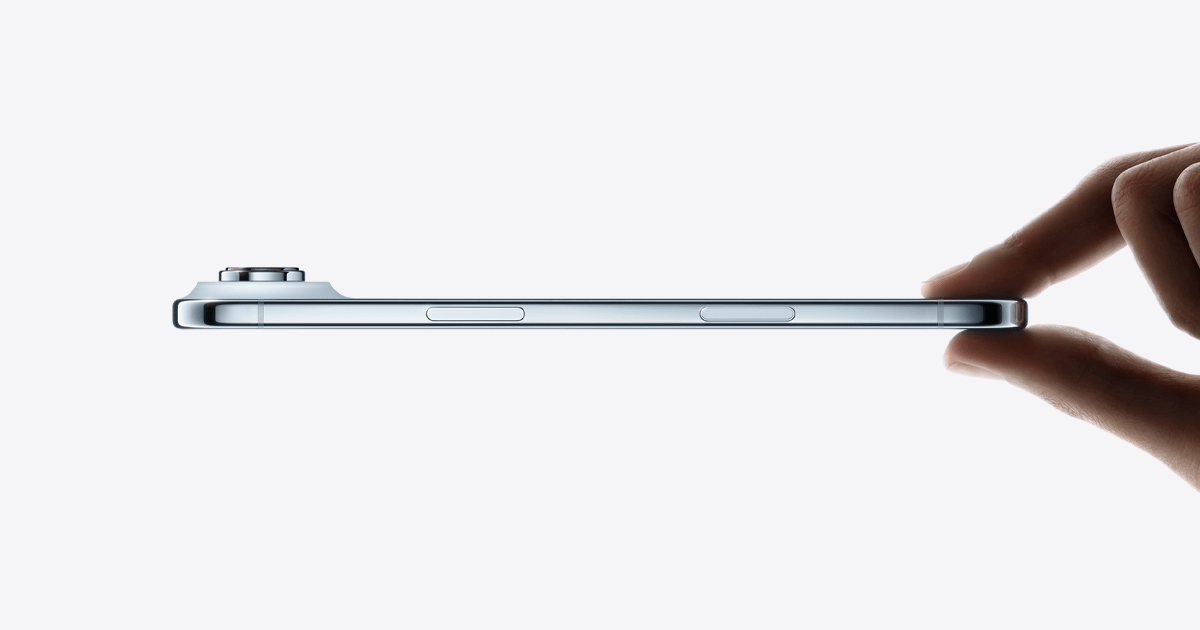
When Apple introduced the iPhone Air last September, the idea was clear: a device that sacrificed some visible power for absolute elegance. Thinner, lighter, a design statement meant to stand out from the other models in the lineup. Yet, just a few months after its launch, something seems to have gone wrong.
According to several reports, Apple has decided to abruptly halt production of the current model and, more importantly, revise its future plans for this product family. The internal goal was to bring to market, as early as fall 2026, a lighter, second-generation iPhone Air with a larger battery and a vapor chamber cooling system—the same one used on the iPhone 17 Pro—to better manage heat and performance.
That project, however, would have been put on hold. The iPhone Air would not have achieved the desired level of interest: a product aesthetically appealing, but less convincing in finding a precise place in Apple's lineup, already crowded between basic models, Pro versions, and the premium segment represented by the future foldable phone.
The emerging scenario is different from what Apple had planned until a few months ago. In 2026, the fall lineup is expected to revolve around two key players: the iPhone 18 Pro and the first foldable iPhone, a truly strategic project on which Cupertino is investing heavily. The iPhone 18 and iPhone 18E variants—intended for a wider audience and a different price point—wouldn't arrive before spring 2027, and the "Air" name could also reappear around that time, but that's no longer a given.
The fate of the ultra-thin iPhone thus remains up in the air: Apple hasn't closed the door definitively, but the priority seems to have shifted elsewhere, towards more innovative devices capable of representing a paradigm shift for the market. In other words, the iPhone Air may not have been a failure, but a test. And Apple, as is often the case, has no problem rethinking a strategy when it's dissatisfied with the result.

Adnkronos International (AKI)