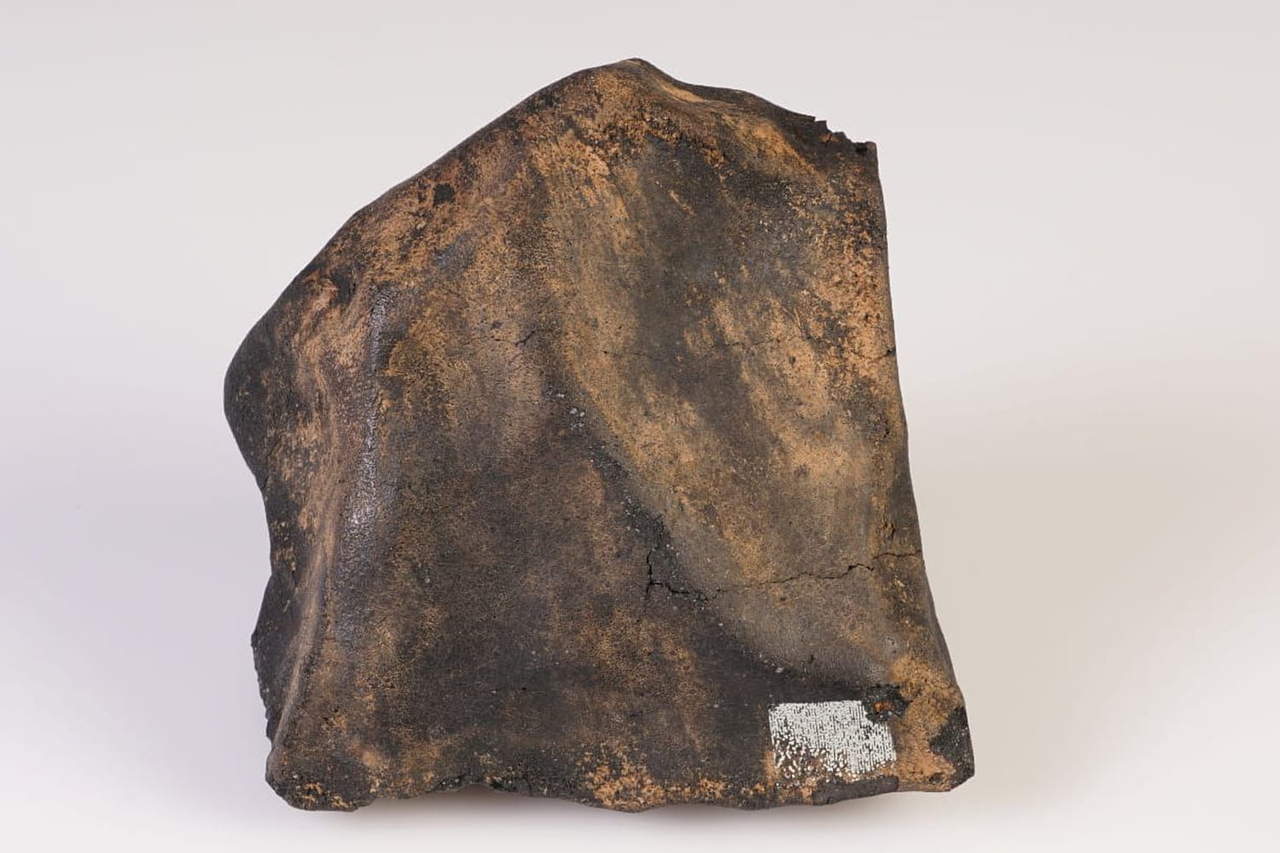
A meteorite older than our Earth will soon be on public display.
When seeking to understand the history of our planet, we turn to the Natural History Museum in Paris, whose collections trace life on Earth since its formation 4.5 billion years ago. But what do we know about the history that preceded our planet? This new museum will offer a journey through 13.8 billion years of time and space.
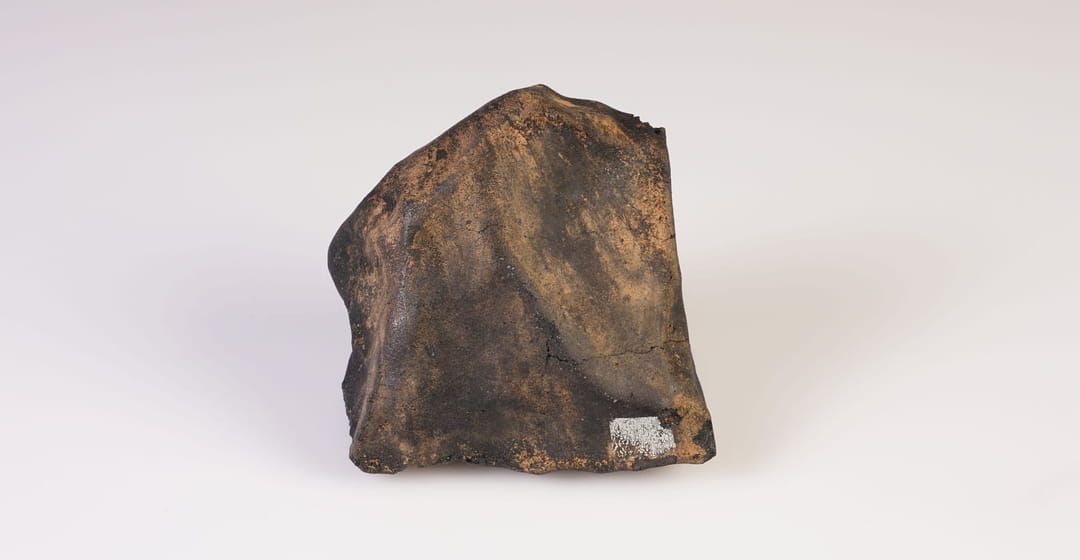
Forget what you thought you knew about natural history! This new 35,000 m² museum is making a splash by exhibiting the Murchison Meteorite. "A witness to the formation of our planet," this material "contains grains 7 billion years old, formed even before our solar system," explains a press release. But what exactly is this museum that displays a relic older than the formation of our Earth and even the Sun?
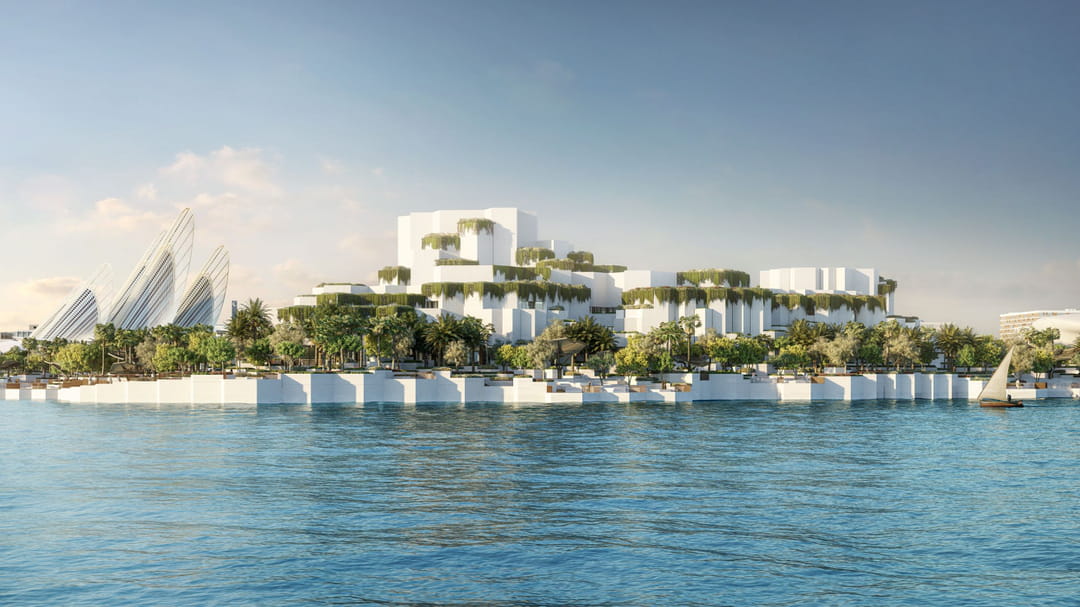
This is the Abu Dhabi Natural History Museum in the United Arab Emirates, which opens on November 22 in the Saadiyat cultural district and is establishing itself as a new global destination for science, nature and education.
His collection invites visitors on a journey "from the Big Bang and the formation of our solar system to the evolution of life, the rise and extinction of the dinosaurs, and the extraordinary biodiversity of our planet." The Murchison meteorite is an iconic piece of science because it contains millions of organic molecules, including amino acids, which prove that the essential building blocks of life already existed in the cosmos before our planet even existed.
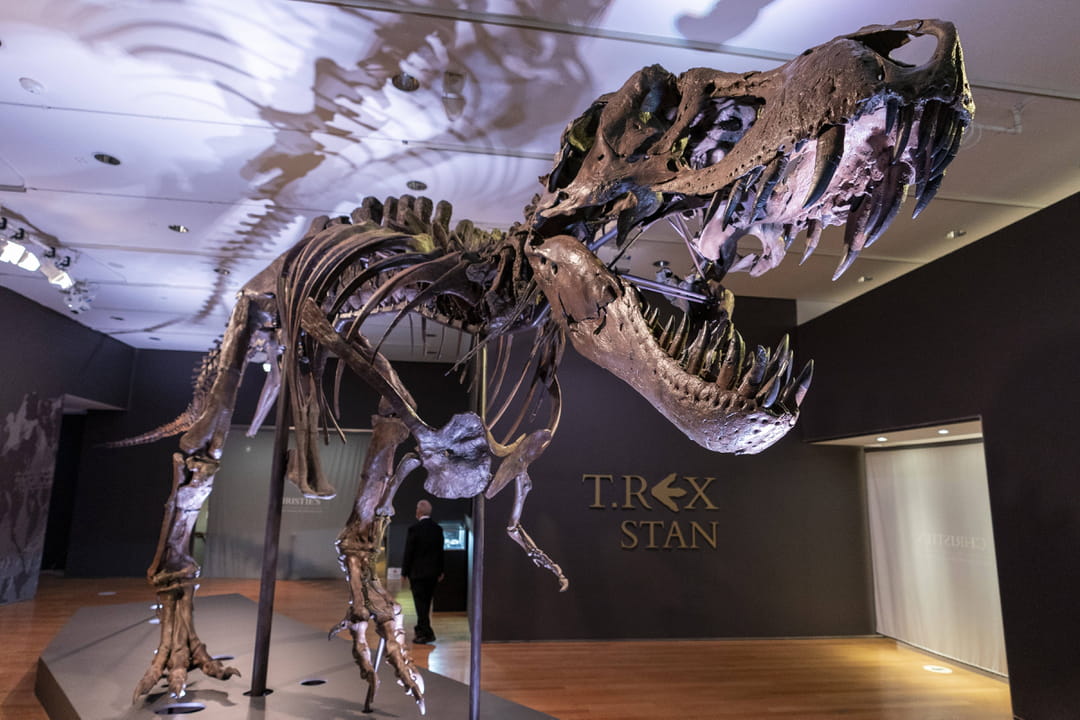
Another legendary piece will be on display in this new museum, embodying the chapter of life on Earth: it is Stan, "an almost complete skeleton of a Tyrannosaurus rex, a supreme predator that ruled the Earth 67 million years ago".
Discovered in 1987 in South Dakota, USA, Stan is one of the most complete and best-preserved T-Rex skeletons in the world, famous for its exceptional skull. Its presence places the National Museum of Natural History (NHM) in Abu Dhabi at the forefront of global paleontology collections, rivaling Sue, the iconic T-Rex at the Field Museum in Chicago.
Facing this giant of the past, the museum devotes a major space to "a magnificent 25-meter female blue whale specimen, which offers an extraordinary insight into evolution, marine biodiversity and the history of life on our planet".
Upon its opening, the museum will feature two temporary exhibitions: the Triceratops Walk, showcasing the world's only nomadic herd, and the prestigious Wildlife Photographer of the Year competition exhibition. The easiest way to reach the NHM in Abu Dhabi will be by taking the approximately 6.5-hour direct flight from Paris to the Emirati capital.

L'Internaute