
Is Spain’s new €60 nationwide travel pass worth getting?
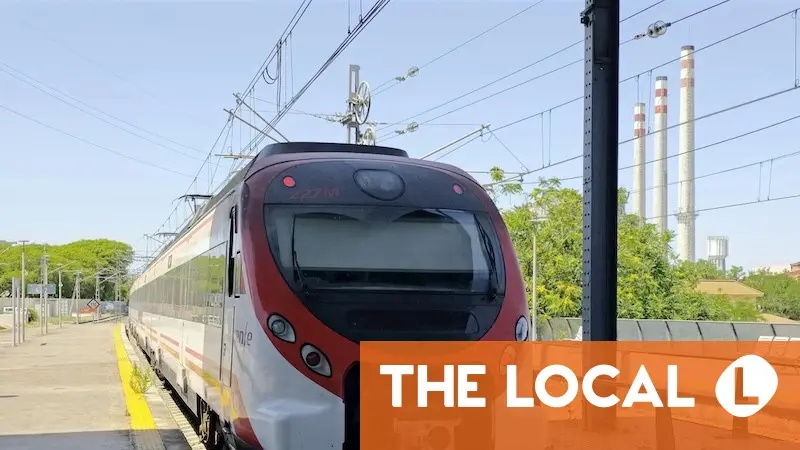
Spain this week announced a new €60 travel pass for unlimited travel throughout the country, but is it really as good as it seems?
It sounds like a great idea – a fixed-price travel passes for €60 (€30 for young people under 26), which offers unlimited travel for a month on commuter and mid-distance trains, as well as state buses across the country. Put like that, it’s a no-brainer. Why wouldn’t you get it?
According to Prime Minister Pedro Sánchez, the measure will "forever change the way Spaniards understand and use public transport," as well as promote sustainable mobility, reduce the use of private vehicles and alleviate the transportation costs for families in Spain.
That’s a bold statement, so is the pass really as good as it’s made out to be?
Sánchez stated: "All citizens will be able to get a pass that will allow them to travel throughout the country," granting access to commuter trains, regional trains, the metro, and state-owned buses”, but that’s not entirely true, yet.
The problem is that in Spain, public transport fares are regulated by various state, regional, and municipal administrations. To implement the government's initiative, these different administrations will need to sign the agreement and get onboard with the offer.
The President of the Catalan Generalitat, Salvador Illa, recently stated that he hopes Catalonia will be the first region to do so, in order to facilitate national travel for its citizens, so it looks like at least some regional authorities are already pledging their support.
However, the Socialists rule in Catalonia, as does the PSOE on a national level under Sánchez, but there's every possibility that in regions where right-wing parties PP and Vox are in power there will be more reluctance to join the nationwide travel pass scheme.
READ ALSO: Spain to launch €60 nationwide travel pass in January 2026
Trains
When it comes to trains, the new nationwide pass will include travel on Media Distancia (mid-distance trains), as well as regional Cercanías and Rodalies commuter trains (the latter are used in Catalonia).
It will not, however, include the high-speed AVE trains, which usually link major cities in Spain across different regions.
Let’s look at an example: Currently, a 7-zone T-Usual monthly ticket in Catalonia for unlimited travel the Rodalies commuter trains and Barcelona metro system costs €66.45. Under the new scheme, you would be saving €6.45.
In July of this year, however, Spain introduced a nationwide €20 monthly pass for commuter (Cercanías/Rodalies) and medium-distance trains, so if you just want to take advantage of these, then this is much cheaper than the €60 monthly ticket.
Transport Minister Óscar Puente clarified that this travel pass is simply another product and does not replace other tickets. Therefore, it will still be possible to purchase other passes, such as the €20 monthly pass for all Cercanías commuter rail networks nationwide.
Prices for media distancia Avant and Regional Exprés trains vary depending on the type of train, the distance and the time and date of travel, so you would have to work out whether the pass would be beneficial for you in this instance or not.
According to Sánchez "The measure will benefit two million users. A worker who travels daily from Vigo to Santiago or from Jerez to Seville will be able to save up to almost 60% of their monthly public transport expenses".
This means that there will likely be bigger savings depending on where you live in the country. For some such as those living in Jerez or Vigo for example, it definitely seems to be worthwhile.
READ ALSO: The big changes to travel in Spain in 2026
Metro systems
Because metro systems are locally owned and managed rather than state owned, tickets will not be included transport in the nationwide pass, at least for now. Therefore, if you just want to travel within cities, the pass will likely not be worth it.
This could change if different regions do decide to include their metro systems, but it remains to be seen.
Buses
If you’re going to travel mostly on buses, again it’s questionable to whether this pass would be worthwhile for you, as it currently excludes intercity buses and metropolitan services
This would also mean that the pass would also not include the islands, since neither the Canary Islands nor the Balearic Islands have the services Sánchez mentioned.
Therefore, if you live in either of these archipelagos or are planning on travelling there, there’s no point getting the pass at all.
Other current discounts will also be extended such as the monthly urban and interurban transport passes and 10-trip passes. They will continue to be discounted by 40 percent (20 percent financed by the State and the other 20 percent by the regions or municipalities), so again if you can benefit from these, you may not need the new pass.
Can tourists use the pass?
It’s still not clear yet whether the pass is only open to Spanish residents or foreign visitors as well. Hopefully we will know more about this when it launches sometime in January 2026.
As the pass is for unlimited travel during a whole month, though, it’s likely only to really benefit those who are here travelling for an extended period of time.
As mentioned, it’s not valid on high-speed rail services or metro, so it will also only be useful for tourists wanting to travel on regional trains outside cities. It could, however, be a good chance to explore lesser-visited towns and smaller cities.
As more regions and different types of transport systems sign on the scheme, the may be better value in the future.
Please sign up or log in to continue reading

thelocal