Firsekibart: New antibody for gout in sight
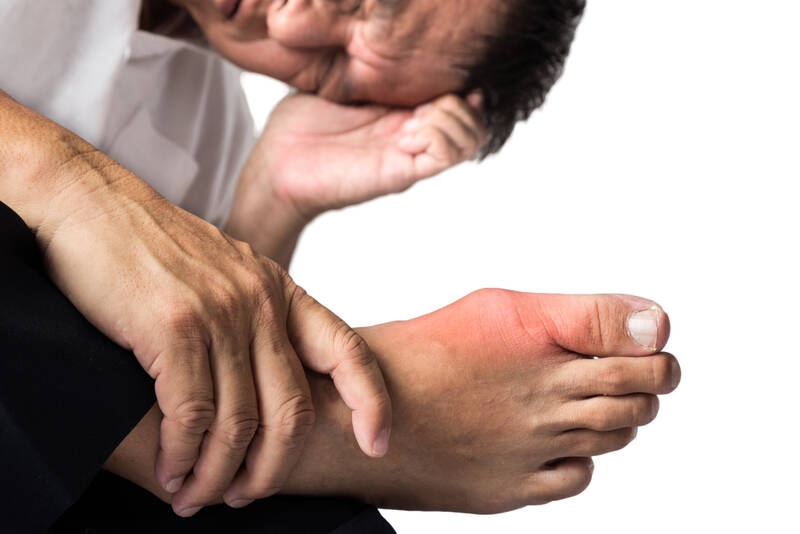


Acute gout attacks are not only extremely painful for those affected, but also sometimes difficult to treat, especially when non-steroidal anti-inflammatory drugs (NSAIDs) and colchicine are contraindicated, not tolerated, or not sufficiently effective. / © Adobe Stock/ThamKC
Acute gout attacks are not only extremely painful for those affected, but also therapeutically difficult, especially when non-steroidal anti-inflammatory drugs (NSAIDs) and colchicine are contraindicated, not tolerated, or not sufficiently effective.
In a randomized, double-blind study, 311 patients with acute gouty arthritis who had experienced at least two gout attacks in the previous twelve months and were not suitable for NSAIDs and/or colchicine were enrolled. They received either a single subcutaneous dose of firsekibart (formerly genacumab) 200 mg or 7 mg of betamethasone intramuscularly. The study was conducted using a double-dummy design, ensuring blinding regardless of the route of administration. Primary endpoints were the change in pain intensity in the most affected joint after 72 hours and the time to the first new gout attack in the following twelve weeks.
In the first endpoint, firsekibart was not significantly better than the corticosteroid. The antibody showed pain relief comparable to steroid therapy . However, between the second and seventh day after administration, firsekibart provided better pain relief compared to betamethasone. The antibody's real advantage became apparent in the prophylaxis of new attacks: firsekibart significantly delayed the median time to the first new attack and reduced the risk of a new attack by 90 percent over 12 weeks and by 87 percent over 24 weeks. Within 12 weeks, 11 percent of patients in the firsekibart arm experienced at least one new gout attack, compared to 65 percent in the betamethasone arm. After 24 weeks, these figures were 15 percent versus 67 percent. The safety profile was similar in both arms. Hypertriglyceridemia was most frequently observed in the firsekibart group.

pharmazeutische-zeitung