
Saint Martin meets Carnival: One day, two celebrations
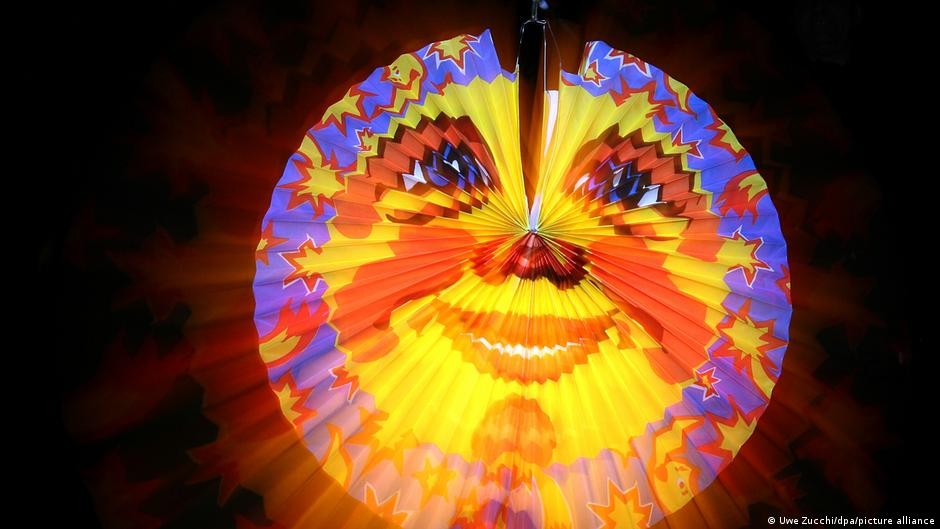
When children in many parts of Germany parade through the streets with lanterns on November 11th, and at the same time colorfully costumedcarnival revelers shout "Alaaf" or "Helau," it initially seems like a strange coincidence, like two things that don't belong together. But: Carnival and St. Martin's Day are two customs that share the same origin – and that lies many centuries in the past.
Bishop Martin of Tours died on November 8, 397 AD, and was buried on November 11. This was a momentous event at the time, which is why this date is celebrated, not his death day. The story of the soldier Martin, who shared his cloak with a beggar and was later canonized, is world-famous.

He is one of the few saints who received this status not as a martyr, but because of his charity and Christian way of life. His benevolence made him a popular patron saint not only of the poor, but also of craftsmen, vintners, and farmers.
The end of the farming yearIn the Middle Ages, St. Martin's Day, eleven days after the harvest festival, marked the end of the farming year: the harvest had been brought in, the wine had been picked, the rent paid (usually in the form of fattened geese), and wages were paid out.

Slaughtering took place, and celebrations were held, as it was important to consume perishable foods such as meat, eggs, and dairy products on this day. This was because a church-mandated period of fasting followed.
Lent before Christmas?The idea of fasting before Christmas is almost unimaginable today. Consumerism frenzy, Christmas markets with their abundant array of treats, from Christmas cookies and sausages to mulled wine and eggnog, convey the opposite.

However, in earlier centuries, Advent, like the time before Easter, was a strict fasting period - it began after November 11th and also lasted six weeks, in quiet preparation for the birth of Jesus Christ.
However, ecclesiastical and societal developments led to the rule of fasting during Advent being relaxed more and more, until the Roman Catholic Church abolished it in 1917.
The last rush before AdventBefore things got serious with penance and abstinence, one could let loose one last time. Eating, drinking, dancing, celebrating exuberantly – and all this on a date that – coincidentally – also belonged to the Church. The number eleven is not only a symbol of St. Martin's burial, but it also stands precisely between two sacred numbers with high symbolic value for Christianity: ten for the Ten Commandments and twelve for the twelve apostles. The eleven in between disrupted this divine order, and that's what made it a foolish number over time.

Although Carnival officially kicks off on November 11th at 11:11 a.m. – in the Rhineland strongholds , revelers celebrate the start of Carnival or the Carnival season with great fanfare – it goes into hiding from November 12th until it reappears in January. Then the first events begin, culminating in February with the colorful street carnival , which is celebrated for six days and ends on Ash Wednesday .
St. Martin and the fools: Opposites attract.
While the Church honors Saint Martin of Tours on November 11th, the saint who shared his cloak with a beggar, and children parade through the streets with lanterns and a brass band, singing for sweets at people's doors, carnival revelers on this day loudly celebrate the joy of life and freedom before the contemplative Advent season begins. Two different celebrations on one day that complement each other perfectly: here, charity and light; there, exuberance and laughter.
November 11th is a date full of contrasts – and precisely for that reason so special. It reminds us of compassion and humanity, of sharing – and that life sometimes simply deserves to be celebrated.

dw